Iran’s ‘New Cards’ Threat Risks Further Global Isolation
Iran's parliament speaker has threatened to reveal 'new cards,' but former Pentagon officials believe this will further isolate the regime. These potential moves, likely involving proxies or sleeper cells, are seen as a familiar but ineffective tactic. Investors are watching for potential escalation and its impact on regional stability and energy markets.

Iran’s ‘New Cards’ Threat Risks Further Global Isolation
Iran’s parliament speaker has stated the nation is ready to reveal new tactics on the battlefield. However, former Pentagon officials suggest these moves, likely involving proxies or sleeper cells, would only push the Iranian regime further away from global support.
These tactics have been used before and represent a form of terror. They are unlikely to alter the current realities facing Iran.
The speaker’s comments suggest Iran may deploy proxies or activate sleeper cells already positioned around the world. Concerns also exist about potential sleeper cells within the United States, possibly due to what is described as poor border security policies in the past administration. This approach, relying on terror elements, is a familiar tactic for Iran but offers no real solution to its current pressures.
What Investors Should Know
The ongoing tension and Iran’s potential actions create uncertainty in global markets, particularly impacting energy prices and regional stability. Investors closely watch developments in the Middle East, as any escalation can lead to supply disruptions.
The regime’s actions, especially if they involve aggressive tactics, could lead to stricter international sanctions. These sanctions could further isolate Iran’s economy, impacting its ability to trade and attract investment.
The speaker’s statement about revealing “new cards” is seen by some analysts as a sign of desperation rather than strength. If Iran resorts to tactics like activating sleeper cells or increasing proxy activity, it would likely alienate any remaining international sympathizers.
This could rally global opposition, pushing for more aggressive measures against the regime. The regime’s history shows a pattern of making irrational or self-defeating choices, making such aggressive actions a possibility.
Cease-fire and Potential Escalation
There is anticipation of a resumption of nationwide airstrikes if a current cease-fire does not hold past its expiration. The focus of these strikes may shift to targeting the regime’s ability to control its population.
This aims to create opportunities for the Iranian people to seek change within their country. The lack of immediate strikes in response to recent shipping violations by Iran suggests the regime may still be seeking a deal.
Some analysts believe both Iran and the U.S. benefit from the current standoff, seeing it as a strategic waiting game. Iran may be using this time to ready missile launchers and equipment to counter U.S. aircraft and ships.
Meanwhile, U.S. forces are refueling, rearming, and repositioning naval and ground troops in the Gulf region and the Arabian Sea. The presence of three U.S. aircraft carrier strike groups within striking range indicates a readiness for sustained military action.
Regional Involvement and Strategic Goals
There is speculation that Israel might become involved once airstrikes resume, potentially targeting the Revolutionary Guards. This move was seen as a natural progression before the previous cease-fire.
The Iranian Revolutionary Guard Corps (IRGC) may have sought the cease-fire to reduce pressure and refocus efforts. The IRGC is viewed as an obstacle to a more peaceful Iran, with its leadership attempting to influence policy and block access to the Supreme Leader.
The situation highlights the complex geopolitical dynamics at play. Iran’s potential use of unconventional tactics could provoke a strong international response.
Investors should monitor these developments closely, as they could impact regional stability and global energy markets. The next round of potential strikes is expected to be sustained and intense, possibly exceeding previous levels.
The Iranian regime’s actions are being closely watched by global powers and financial markets. The effectiveness of international pressure and sanctions will be crucial in shaping Iran’s future behavior. The upcoming days are critical in determining whether a diplomatic solution can be found or if military confrontation will escalate.
Source: 'NEW CARDS': Iran's threat would 'further alienate' regime from support, ex-Pentagon official says (YouTube)

Related Articles
Trump’s Iran Claims Under Scrutiny After False Statements
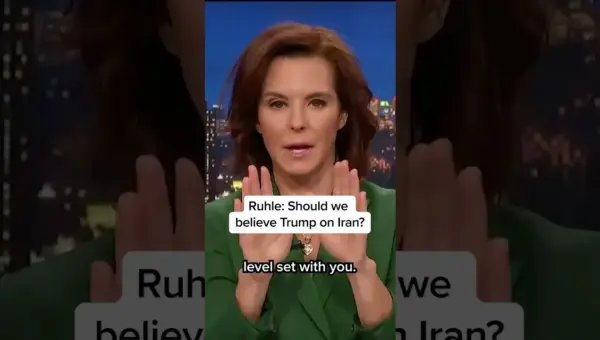
MSNBC anchor Stephanie Ruhle has called attention to several untrue statements made by President Trump regarding Iran over the past week. Ruhle's report fact-checked the President's claims, highlighting discrepancies and questioning the accuracy of information presented on a critical international issue. The segment stressed the importance of reliable information for public trust and informed decision-making.

Iran Talks Stall as US Vice President Awaits Flight
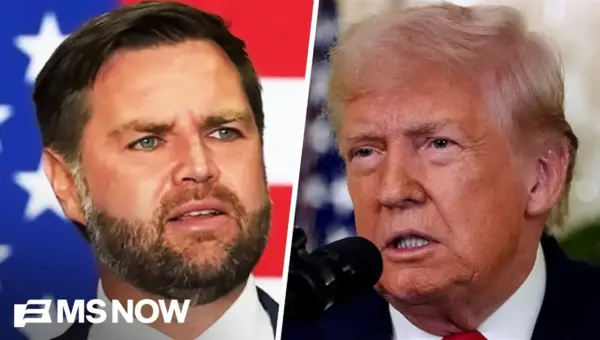
US-Iran diplomatic talks are stalled, with Iran reportedly refusing U.S. proposals related to its nuclear program. Experts suggest Iran is strategically leveraging the situation, believing its 'clock' ticks slower than the U.S. The standoff raises questions about the effectiveness of U.S. strategy amidst rising defense spending.

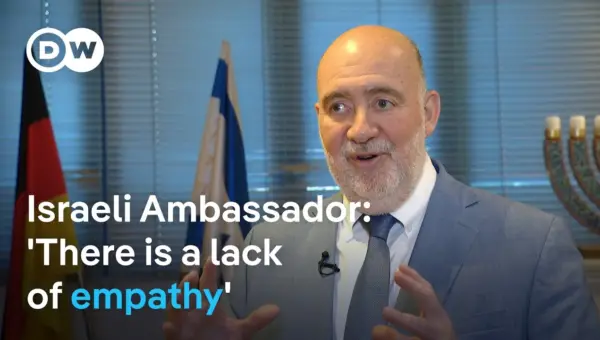
Israel Envoy Cites ‘Lack of Empathy’ Amid Regional Tensions
Israeli Ambassador Ron Prosor spoke from Berlin about the dual significance of remembrance and independence days, amid ongoing regional conflicts. He highlighted a perceived lack of empathy towards Israel internationally and discussed the rise of antisemitism in Europe, urging stronger global solidarity.