Phone’s New Privacy Feature Beats Screen Protectors
Forget physical screen protectors. A new 'Privacy Display' feature intelligently turns off pixels to shield your screen from side views, offering app-specific and contextual privacy controls. This innovation promises enhanced security and convenience for mobile users.

Phone’s New Privacy Feature Beats Screen Protectors
Forget clunky, expensive privacy screen protectors. The latest innovation emerging from the smartphone world promises to deliver the same, if not better, privacy directly through your device’s display. Imagine a feature that can selectively black out your screen from prying eyes, not with a physical accessory, but with intelligent pixel manipulation built right into the panel. This is no longer a futuristic concept; it’s a reality that could fundamentally change how we protect our sensitive information on the go.
The End of the Privacy Screen Protector?
For years, the go-to solution for on-the-go privacy has been the dedicated privacy screen protector. These films or glass layers use micro-louvers to restrict the viewing angle, ensuring your screen is only visible directly in front of you. While effective, they come with several drawbacks. They can often reduce screen brightness, alter touch sensitivity, add bulk, and aren’t always perfectly aligned. Plus, they’re an additional purchase, sometimes costing upwards of $50.
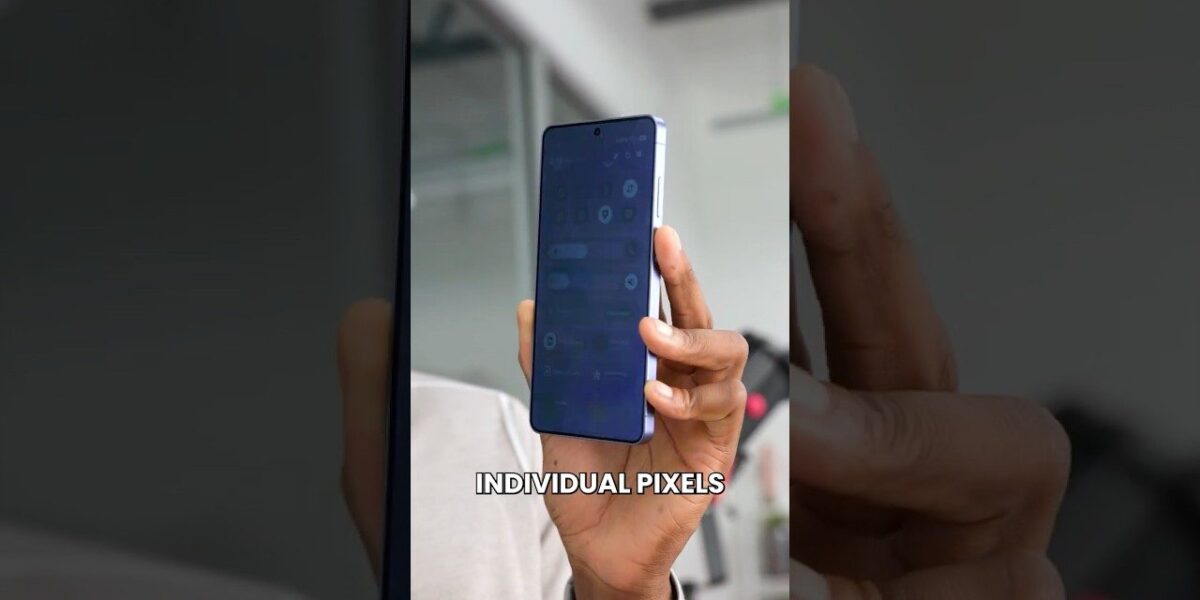
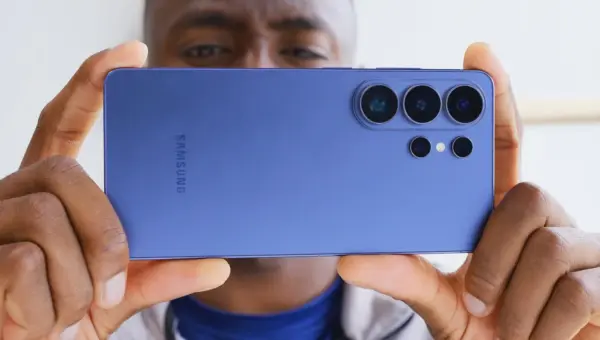
Enter the revolutionary ‘Privacy Display’ feature, as demonstrated on what appears to be a conceptual or upcoming device, potentially the S26 Ultra. Instead of relying on an external layer, this technology works by selectively turning off individual pixels on the display itself. The result? An effect identical to traditional privacy screen protectors – your screen becomes a black void to anyone viewing it from an angle, while remaining perfectly clear to you, the user directly in front.
Intelligent and Contextual Privacy
What elevates this ‘Privacy Display’ feature beyond a simple privacy filter is its intelligence and contextual awareness. The system isn’t just an on-or-off switch; it’s designed to be dynamic and app-aware. This means users can configure the privacy mode to activate automatically when launching specific applications. Think about the implications: your banking app, messaging clients, photo galleries, or any app containing sensitive personal data could be automatically shielded from peripheral viewing the moment you open them.
The innovation doesn’t stop there. The feature can also be granularly controlled to mask specific elements on the screen. For instance, it can be set to obscure only incoming notifications, ensuring that even if someone glances at your phone while it’s buzzing, they won’t see the sender or content of the message. Even more impressively, it can selectively hide the password field when you’re typing in your credentials, providing a crucial layer of security against shoulder surfing in public spaces.
Unreal Levels of Display Innovation
The demonstration highlights what can only be described as “unreal levels of display innovation.” By leveraging the inherent capabilities of modern OLED or AMOLED displays, where individual pixels can be controlled and turned off completely, manufacturers can now offer a software-driven privacy solution. This approach avoids the compromises associated with physical screen protectors and opens up a world of possibilities for user-controlled privacy.
The potential benefits are manifold:
- Seamless Integration: No extra accessories needed, no alignment issues.
- Customizable: Activate based on app, time, or specific on-screen elements.
- Enhanced Security: Protects against shoulder surfing for passwords and sensitive notifications.
- No Performance Compromise: Theoretically, no impact on touch sensitivity or brightness when not actively engaged.
Who Should Care and Why?
This ‘Privacy Display’ feature is a game-changer for anyone who values their digital privacy, especially in public environments. Commuters, frequent travelers, students in shared spaces, and anyone who regularly handles sensitive information on their smartphone should be particularly interested. If you’ve ever felt self-conscious about someone looking over your shoulder while you’re checking emails, browsing social media, or managing finances, this feature is designed for you.
It addresses a fundamental user need with a sophisticated, integrated solution. The ability to automatically shield specific apps or sensitive input fields means users can have peace of mind without constantly fiddling with settings or applying physical protectors. It brings a new level of control and security directly into the hands of the user, making privacy less of a hassle and more of an intuitive part of the smartphone experience.
Looking Ahead: Availability and Future Implications
While the demonstration appears to be on a prototype or upcoming device (speculated to be the S26 Ultra), the underlying technology is a natural evolution for display manufacturing. As screen technology advances, we can expect such intelligent features to become more commonplace. The exact availability, pricing, and specific devices that will feature this ‘Privacy Display’ technology are yet to be officially announced. However, its potential impact is undeniable. This innovation signals a shift towards more integrated, intelligent, and user-centric privacy solutions, moving beyond mere hardware add-ons to sophisticated software and display-level enhancements.
The era of the privacy screen protector might be drawing to a close, replaced by smarter, more adaptable technology that lives within the very screen we use every day. This is a significant leap forward, promising a more private and secure mobile experience for everyone.
Source: The "Privacy Display" Feature is Awesome! (YouTube)

Related Articles
LG’s Wild Rollable Phone: A Glimpse of What Could Have Been
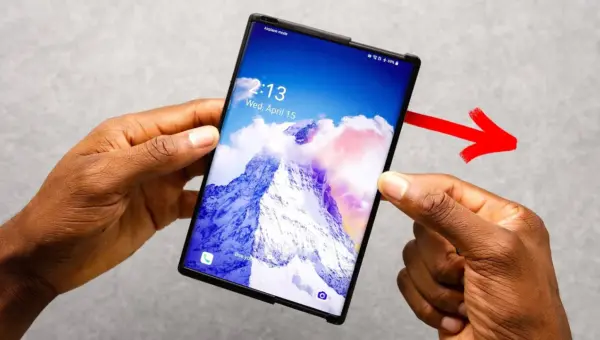
LG's unreleased rollable smartphone, obtained by Dbrand, offers a stunning glimpse into what could have been. The device seamlessly expands from a 6.7-inch phone to a 7.4-inch mini-tablet with a unique rolling mechanism. Despite its innovative features and polished software, the phone never saw a commercial release due to LG's exit from the smartphone market.
Samsung S26 Ultra: Clever Features Come With Trade-offs
Samsung's latest Galaxy S26 Ultra introduces an innovative Privacy Display, but this clever feature comes with notable trade-offs in resolution and viewing angles. While performance and camera upgrades impress, the device grapples with compromises that challenge its 'Ultra' status.


Samsung’s Galaxy S26 Ultra Privacy Display Unveiled
Samsung's upcoming Galaxy S26 Ultra may feature an innovative 'Privacy Display' technology, using dual-pixel technology to limit viewing angles. With extensive software controls for activation, this feature promises enhanced security for sensitive data on the go.