Spy Kids Trilogy: Cheesy Fun or Cinematic Crime?
The original Spy Kids trilogy, released between 2001 and 2003, blended family, spies, and Robert Rodriguez's unique visual style. While praised for its creativity and fun premise, the films are often criticized for their dated special effects and cheesy execution. Despite the mixed reception, the trilogy remains a beloved childhood favorite for many.

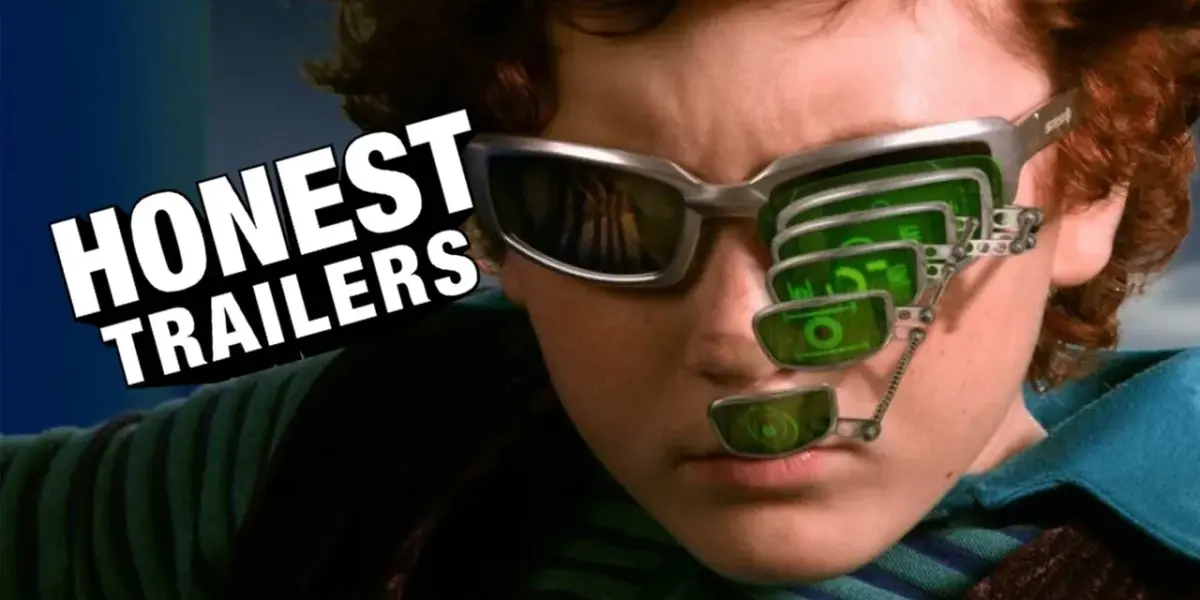
Spy Kids Trilogy: Cheesy Fun or Cinematic Crime?
Remember the early 2000s? When technology felt both futuristic and a little bit clunky? That’s exactly the vibe Robert Rodriguez captured with the original Spy Kids trilogy.
Released between 2001 and 2003, these movies threw us into a world of super-spies, but with a twist: the heroes were kids. Now, years later, the trilogy is getting a fresh look, and the verdict is still out on whether these films are beloved childhood gems or just, well, kind of silly.
The premise is pure fun: the Cortez family are all secret agents. When mom and dad (played by Carla Gugino and Antonio Banderas) get captured by a villain from their past, their two kids, Carmen (Alexa Vega) and Juni (Daryl Sabara), have to step up.
Carmen is the super-smart, overachieving one, while Juni is more hesitant and prone to, let’s say, bodily functions. They’re not exactly ready for prime time spy work, but they have to save the day.
A Family Affair with a Quirky Touch
What made Spy Kids stand out was its unique style. Director Robert Rodriguez brought a very specific, almost handmade feel to the movies.
Think bright colors, quirky gadgets, and a lot of green screen effects that, to be honest, don’t always hold up today. It felt like a movie made with passion, but also on a tight budget, leading to some hilariously low-res computer graphics and very obvious special effects.
The cast is a wild mix of talent. Besides Gugino and Banderas, the movies feature recurring actors like Danny Trejo as Machete, the cool uncle with a killer knife collection, and Cheech Marin as Felix Gumm, who has a surprisingly important role across the films. Even legendary actors like Ricardo Montalban show up, adding a touch of old Hollywood glamour to the otherwise zany proceedings.
Spy Kids 2: Island of Lost Dreams
The second film, Spy Kids 2: The Island of Lost Dreams, upped the ante with more ambitious missions and new characters. Carmen and Juni are now official agents, but they face competition from rivals Gary and Gerti Giggles.
These two are the product of overbearing parents and a lot of questionable genetic experiments, making them both annoying and surprisingly formidable. The movie dives deeper into the world of spy gadgets and secret labs, all while keeping the family drama fundamentally.
This installment also leans heavily into its unique visual style, featuring bizarre creatures and a memorable island setting. It’s proof of Rodriguez’s creativity that he could craft such a distinct world with the tools available. The humor remains broad, often relying on slapstick and the kids’ awkward sibling dynamic.
Spy Kids 3-D: Game Over
The trilogy wrapped up with Spy Kids 3-D: Game Over, taking the adventure into the virtual world. Juni has to enter a video game to save his sister, who’s trapped inside. The movie famously embraced 3-D technology, which was a big deal at the time.
However, the execution was, to put it mildly, a bit rough. The visuals are often blurry and jarring, making the 3-D effect more of a distraction than an enhancement.
Sylvester Stallone shows up as the villainous Toyman, running a virtual prison. The film attempts to blend action, comedy, and a message about the dangers of too much screen time.
While it tries to provide closure for the family, the plot can feel convoluted and the special effects are even more dated than in the previous films. It’s a fittingly chaotic end to a trilogy that never took itself too seriously.
Legacy and Lasting Impressions
Looking back, the Spy Kids trilogy is a fascinating snapshot of early 2000s family entertainment. It wasn’t trying to be sophisticated; it was about fun, adventure, and the idea that even ordinary kids could be heroes.
The movies embraced their silliness, from the memorable characters like Machete to the over-the-top gadgets. They influenced other kids’ movies and proved that Robert Rodriguez had a unique talent for making entertaining films on a budget.
While critics at the time were mixed, many audiences have a soft spot for these films, remembering them fondly from their childhood. They might not win awards for their special effects or complex storytelling, but they offer a colorful, action-packed ride. The trilogy’s lasting impact can be seen in its continued popularity and the recent reboot, Spy Kids: Armageddon, which proves the franchise still has some life left in it.
The original Spy Kids trilogy is available to stream on Netflix. The films continue to be a source of debate among fans: are they charmingly retro or just plain bad? Either way, they certainly left a mark on a generation of moviegoers.
Source: Honest Trailers | The Spy Kids Trilogy (YouTube)

Related Articles

Spy Kids Return! Franchise Gets Rebooted
The beloved Spy Kids franchise is getting a reboot! Spyglass Media Group is developing a brand-new movie, aiming to capture the magic of the original films. Director Robert Rodriguez is reportedly involved, promising a fresh start for the spy-tastic world.

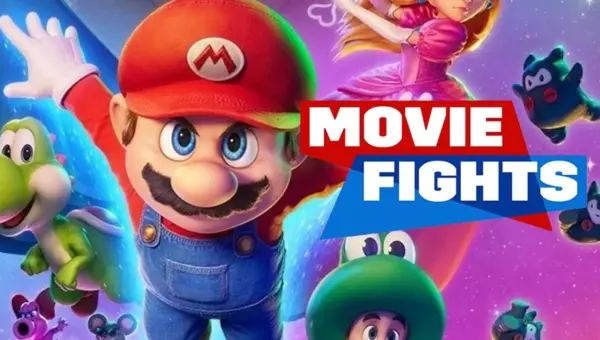
Mario Movie’s Galaxy Sequel Gets Brutal Review!
A panel of critics delivered a brutal assessment of a hypothetical Super Mario Galaxy movie, with scores as low as 45/100. The discussion highlighted the challenges of adapting beloved game franchises for the big screen.

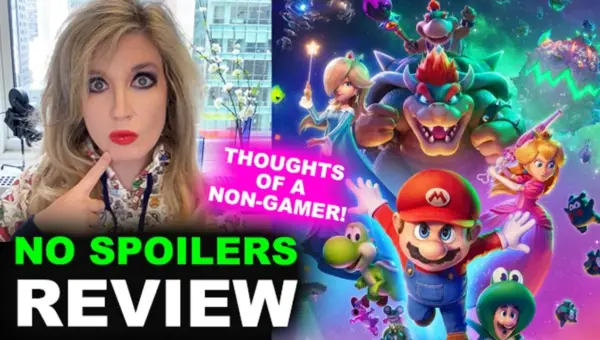
Mario Movie Sequel Disappoints, Lacks ‘Galaxy’ Sparkle
The Super Mario Bros. movie sequel arrives with a muted reception, failing to recapture the magic of the first film. While Bowser shines, the plot falters, leaving many wanting more substance.