US Navy Seizes Illicit Oil Cargo at Sea
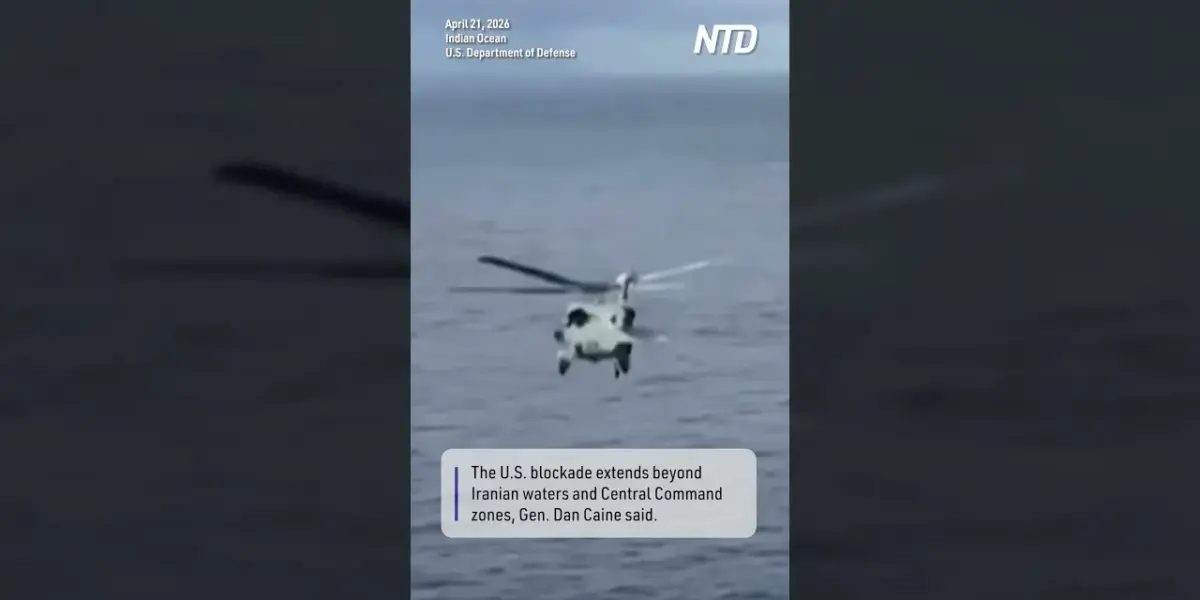
U.S. forces boarded a sanctioned oil tanker in the Indian Ocean, seizing cargo smuggled from Iran. This action underscores the ongoing efforts to enforce international sanctions and disrupt illicit financial networks operating through vital shipping lanes. The operation highlights the complex challenges and strategies involved in maritime interdiction.

US Navy Seizes Illicit Oil Cargo at Sea
U.S. forces recently boarded an oil tanker in the Indian Ocean. This vessel was carrying oil that had been previously sanctioned.
The tanker was reportedly involved in smuggling Iranian crude oil throughout Asia. The Department of Defense confirmed the action on a Tuesday, highlighting a significant move in international maritime security and sanctions enforcement.
The boarding operation took place in international waters, demonstrating the reach of U.S. naval power. This action is part of a broader effort to disrupt illicit financial networks.
Sanctions are often used as a tool to pressure countries and entities to change their behavior. When those sanctions involve oil, interdicting shipments becomes a direct way to impact a nation’s economy.
Enforcing Sanctions on the High Seas
Sanctioned oil, especially when it originates from countries like Iran, often finds its way into the global market through complex smuggling routes. These routes can involve ship-to-ship transfers or falsified documentation.
The goal of U.S. forces in these operations is to prevent the revenue generated from such sales from reaching the sanctioned entity. This revenue could potentially fund activities deemed harmful by the international community.
The Indian Ocean is a vital shipping lane, making it a common area for both legitimate trade and illicit activities. Its vastness can make enforcement challenging.
U.S. naval presence in the region is a key factor in monitoring and intercepting suspicious vessels. The success of such operations relies on intelligence gathering and coordinated military action.
Background: Sanctions and Maritime Interdiction
Economic sanctions have been a common foreign policy tool for decades. They are used to achieve objectives ranging from preventing nuclear proliferation to countering terrorism.
When sanctions target a nation’s primary export, like oil, the impact can be substantial. This can lead to a cat-and-mouse game where sanctioned countries seek ways to circumvent the restrictions.
Maritime interdiction, the act of stopping and searching ships at sea, is a complex legal and operational matter. International law generally allows for such actions under specific circumstances, such as enforcing sanctions or combating piracy. The U.S. Navy has a long history of conducting these types of operations, often in cooperation with international partners.
The smuggling of oil is not a new phenomenon. Historically, various nations and groups have sought to move commodities illegally to avoid taxes, sanctions, or trade embargoes.
The scale and sophistication of these operations can vary greatly. Technology has made it easier to track vessels, but also easier to mask their activities through various means.
Why This Matters
This boarding and seizure directly impacts the flow of illicit oil. It sends a clear message to those involved in sanction evasion that such activities will be met with force.
For countries relying on oil exports, the threat of interdiction can increase the cost and risk of conducting business. This can weaken their economic leverage and ability to fund their activities.
The operation also highlights the ongoing efforts to maintain stability in key global trade routes. Disruption of oil shipments can affect global energy markets, though the impact of a single sanctioned tanker is usually limited. However, a pattern of successful interdictions can have a broader effect on market perceptions and the willingness of buyers to engage with sanctioned sources.
Implications and Future Outlook
The continued enforcement of sanctions through maritime operations suggests a persistent commitment by the U.S. and its allies to this strategy. It points to an ongoing effort to isolate and pressure nations that violate international norms or pose security threats. This could lead to increased naval patrols and more sophisticated intelligence efforts in critical shipping zones.
The future may see a continued cat-and-mouse game between sanctioning bodies and those seeking to evade sanctions. Innovations in technology, both for tracking and for concealment, will likely play a significant role.
International cooperation will remain crucial for the effectiveness of these enforcement actions. The success of this recent boarding could encourage similar operations in the future.
Looking ahead, the effectiveness of sanctions as a foreign policy tool will continue to be debated. However, actions like the boarding of this oil tanker demonstrate that enforcement remains a critical component.
The next steps will likely involve continued vigilance and adaptation to new smuggling techniques. The U.S. Navy’s role in securing these vital waterways remains a constant.
Source: US Forces Board Sanctioned Oil Tanker in Indian Ocean (YouTube)

Related Articles
US Navy Seizes Sanctioned Oil Ship in Indian Ocean
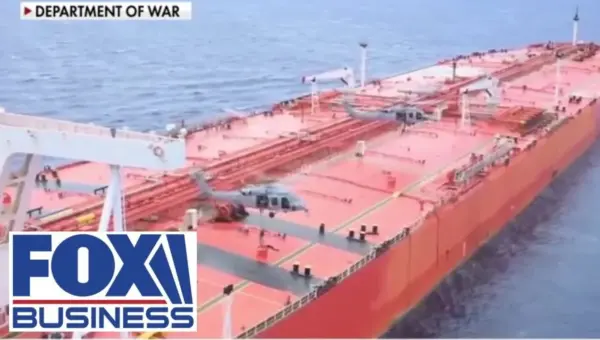
The U.S. Navy seized a sanctioned oil tanker carrying 1.9 million barrels of crude in the Indian Ocean, adding tension to global oil markets. This occurs as a U.S.-Iran cease-fire is set to expire, keeping traders on edge.
Iran Faces Blockade, New Targets Emerge
New intelligence reveals Iran's regime facing intensified pressure from international naval blockades and emerging domestic targets. Strikes have hit commercial vessels, including a French ship, near Larak Island. Diplomatic efforts are strained as a ceasefire nears expiration, with Iran withdrawing from negotiations.

US Navy Strikes Iranian Ships, Escalating Global Tensions
The US military has intercepted and boarded a second Iranian-linked ship, the MT Tiffany, in the Indo-Pacific, as part of ongoing efforts to disrupt illicit networks. This action occurs amidst rising diplomatic tensions, with former President Trump warning Iran of severe consequences if negotiations fail. Despite Iran's claims of evading a blockade, US forces continue their assertive maritime enforcement and surveillance operations.