Warsh’s 2020 Election Stumble Fuels Fed Chair Concerns
Kevin Warsh's nomination hearing for Federal Reserve chair was marked by controversy, particularly his inability to confirm Donald Trump lost the 2020 election. Critics also questioned his past monetary policy decisions and significant personal wealth, raising concerns about Fed independence and potential conflicts of interest.

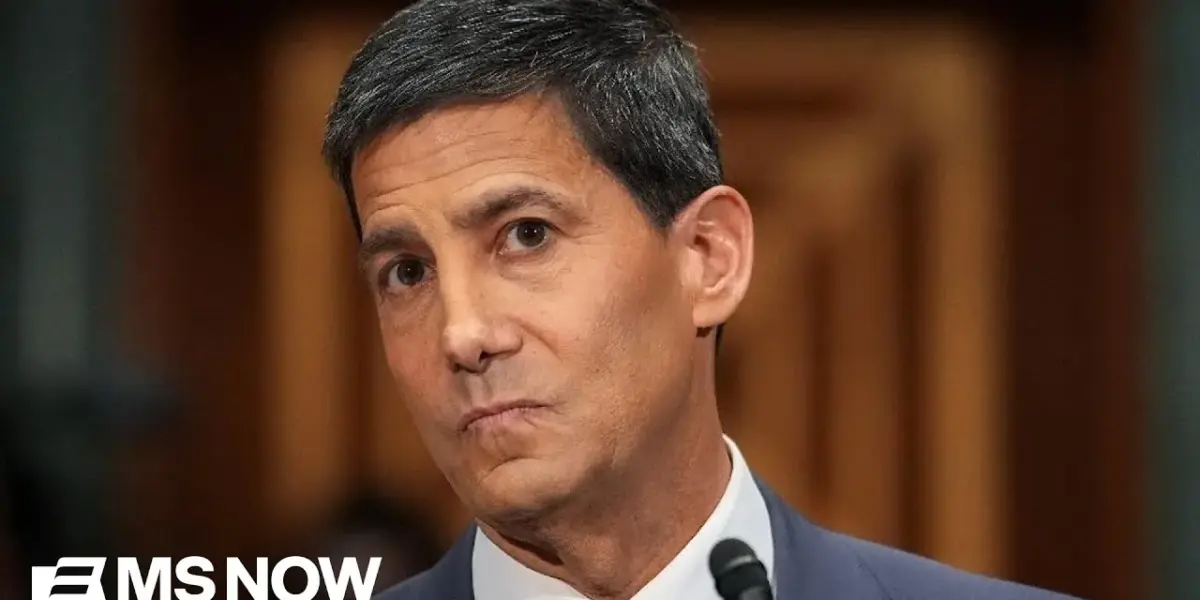
Nominee Evades Direct Answer on Trump’s Election Loss
During a recent Senate hearing, Federal Reserve chair nominee Kevin Warsh faced sharp questioning from lawmakers, particularly regarding his stance on former President Donald Trump and the 2020 election results. When asked directly if Donald Trump lost the 2020 election, Warsh was unable to provide a straightforward ‘yes.’ This evasion, described as ‘disconcerting’ by observers, raised further questions about his judgment and commitment to factual accuracy.
Senator Van Hollen also pressed Warsh on the potential impact of cutting interest rates. Warsh struggled to directly state that significant rate cuts would lead to increased prices. These moments, occurring during his nomination hearing, have amplified concerns among some senators and economic analysts about his suitability for the critical role of Fed chair.
Concerns Over Past Monetary Policy Stances
Beyond the election question, Warsh’s past monetary policy decisions drew significant scrutiny. Critics, including Senator Elizabeth Warren, pointed to his actions during the 2007-2008 financial crisis.
At that time, Warsh advocated for tighter monetary policy when many others were worried about a deepening recession. Minutes from Federal Reserve meetings suggest he was concerned about runaway inflation even as the global economy teetered on the brink of collapse.
Some analysts believe that if Warsh’s advice had been followed, the world could have faced a prolonged global depression. His past calls for tighter policy, even when data suggested otherwise, contrast with his later actions. This shift in stance, particularly when a Republican president was in office, has led to accusations of inconsistency and a willingness to align policy with political pressure.
Questions About Fed Independence and Trump’s Influence
A central theme of the hearing was the independence of the Federal Reserve. While Warsh stated that monetary policy independence is essential and that he backs it, he also expressed a commitment to working with the administration and Congress on non-monetary matters. This has led to questions about whether he can truly maintain the necessary separation between monetary policy and political influence.
Former President Trump has been vocal about his desire for a Fed chair who would lower interest rates, regardless of economic data. The nomination of Warsh, who has a history of opposing rate cuts when Democrats were in power but appearing more supportive under Republican leadership, has fueled speculation about assurances given to Trump. Critics worry that a Fed chair beholden to political demands could undermine market confidence and economic stability.
Financial Disclosures and Potential Conflicts of Interest
Warsh’s significant personal wealth, estimated to be around $100 million, also became a focal point. His financial disclosure forms revealed substantial assets, prompting concerns about potential conflicts of interest. Specifically, questions arose about confidentiality agreements and the nature of his holdings, which could be influenced by interest rate decisions.
For a Fed chair, holding assets that could directly benefit from or be harmed by interest rate changes presents a significant conflict. Unlike past Fed chairs who held very safe, cash-equivalent assets like T-bills, Warsh’s portfolio raises concerns.
The worry is that his financial interests could subtly influence his decisions on raising or cutting rates, compromising the Fed’s impartiality. Warsh indicated he plans to divest or move assets into more neutral investments, which he believes would satisfy ethics requirements.
Looking Ahead: Senate Vote and Market Reaction
The Senate will now consider Kevin Warsh’s nomination. His performance during the hearing, particularly his evasiveness on key factual questions and his past policy stances, has generated significant debate. The potential implications for the Federal Reserve’s independence and credibility are considerable.
The market and lawmakers will be watching closely to see how the Senate votes. Any confirmation could signal a shift in the Fed’s approach, potentially influenced by political considerations rather than pure economic data. The upcoming vote will be a key indicator of the Senate’s confidence in Warsh’s ability to lead the central bank independently.
Source: 'Disconcerting': Reaction to Kevin Warsh failing to say Trump lost 2020 election (YouTube)

Related Articles
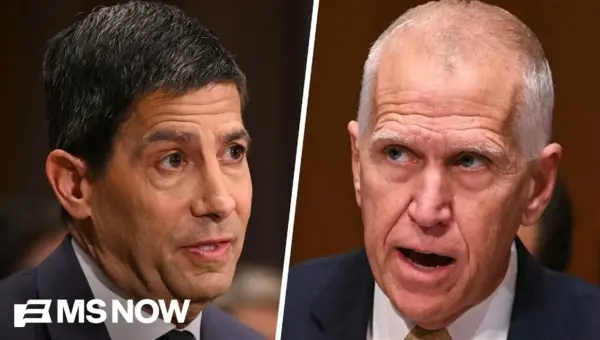
Senator Tillis Votes No on Fed Chair Nominee Over Probe
Senator Thom Tillis announced he will vote against Jerome Powell's reappointment as Federal Reserve Chair. Tillis cited a "bogus" investigation into Powell's finances as the primary reason for his opposition. He urged the Department of Justice to end the probe so he could support the confirmation.
Senator Blocks Fed Nominee Over Powell Investigation
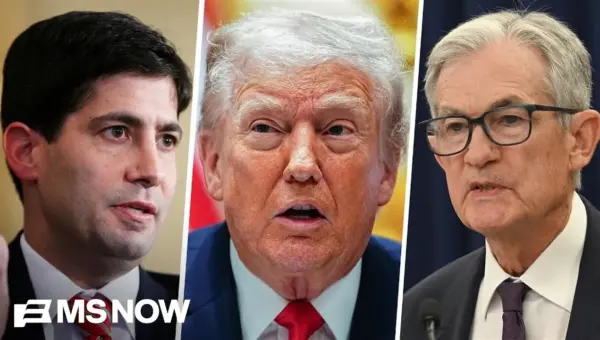
Senator Tom Tillis is blocking new Federal Reserve nominations until an investigation into Fed Chair Jerome Powell is resolved. Despite the probe being widely seen as baseless, Tillis remains firm, citing concerns about politically motivated investigations. This stance complicates the confirmation of nominee Kevin Warsh and highlights tensions between the White House and Congress over the Fed's independence.
Senator Warren Accuses Trump of Seeking ‘Sock Puppet’ Fed Chair
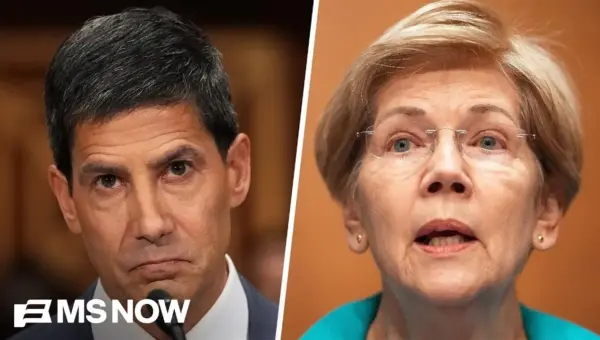
Senator Elizabeth Warren accused former President Donald Trump of trying to install a "sock puppet" as the head of the Federal Reserve. She believes Trump wants to control the central bank to manipulate the economy for political gain and create opportunities for corruption. Warren also criticized the nomination of Kevin Warsh, citing his past actions during the 2008 financial crisis and his shifting stances on interest rates.