Warsh Fed Chair Nomination: Economy vs. Politics
Kevin Warsh's nomination to chair the Federal Reserve sparked debate over economic policy and the central bank's independence. Supporters cited his crisis experience, while critics raised concerns about past decisions and potential political influence. The hearing highlighted the Fed's dual mandate and the public's demand for economic stability and affordability.

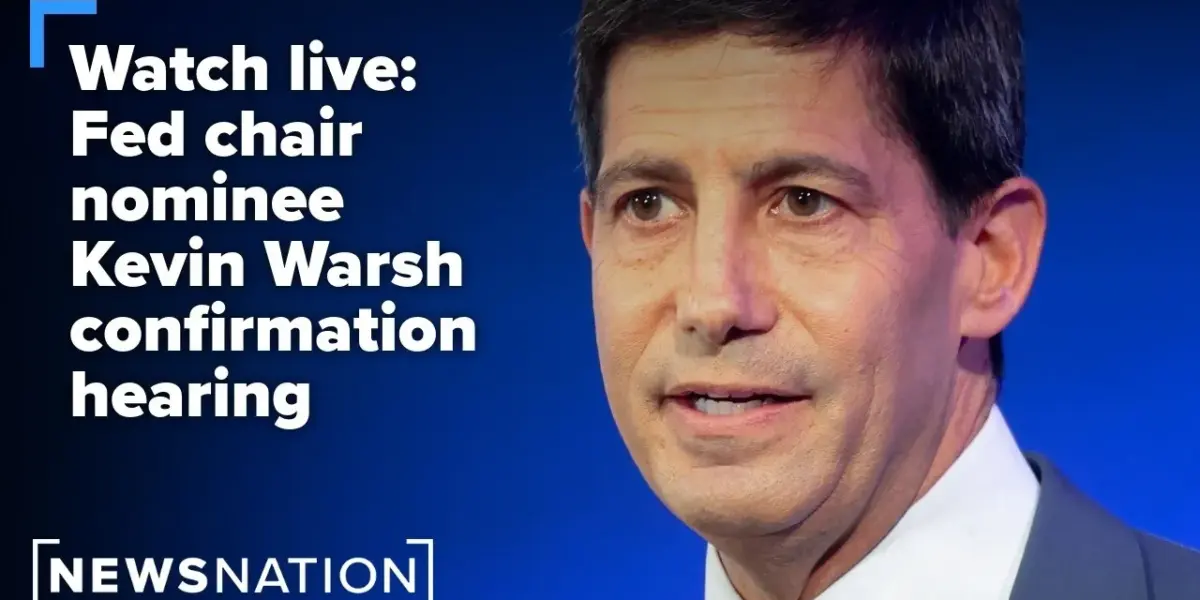
Warsh Fed Chair Nomination: Economy vs. Politics
The nomination of Kevin Warsh to lead the Federal Reserve became a battleground for differing visions of the American economy. Senators debated his qualifications and the Fed’s role in everyday lives. Supporters see Warsh as a steady hand needed to restore confidence, while critics worry about his past and potential political influence.
Restoring Confidence and Kitchen Table Economics
Supporters of Kevin Warsh’s nomination emphasized his experience, particularly during the 2008 Great Recession. They argued that his past work as a Fed governor shows he can help the economy through tough times. The core message was that Warsh’s leadership would focus on the financial struggles of regular families, aiming to make things like buying groceries and affording a home more achievable.
This focus on “kitchen table economics” aimed to connect the Fed’s complex decisions to the daily realities of Americans. Proponents highlighted tax cut initiatives as examples of efforts to help working families keep more of their earnings. They believe confirming Warsh is a crucial step toward improving affordability and reinforcing faith in economic institutions.
Concerns Over Independence and Past Decisions
Critics, however, raised serious concerns about Warsh’s suitability and the Fed’s independence. They pointed to the 2008 financial crisis, during which Warsh served as a Fed governor. Some argued that he showed no regrets for decisions made during that period, which led to widespread job losses and home foreclosures.
Questions were raised about Warsh’s past stances on interest rates and his perceived shifts in opinion based on political changes. Critics suggested that his nomination could lead to the Fed becoming a tool for political gain, potentially enriching allies or family members. This fear of political influence over economic policy was a central theme for opponents.
The Fed’s Dual Mandate: Prices and Jobs
The Federal Reserve operates under a “dual mandate” given by Congress: to keep prices stable and ensure maximum employment. Senators on both sides agreed on the importance of this mission. They see the Fed’s actions as directly impacting the cost of living and people’s ability to find work.
When the Fed successfully balances these goals, Americans can afford necessities more easily and their paychecks stretch further. However, achieving this balance has become more challenging in recent years. Many believe the Fed has faced difficulties in managing inflation and employment effectively.
Political Winds and Fed Independence
A significant point of contention was the perceived influence of political winds on the Federal Reserve. Some senators expressed worry that the Fed might be swayed by political priorities rather than focusing solely on economic data. This was illustrated by claims that the Fed pursued climate-focused initiatives under one administration, only to reverse them under another.
An independent Federal Reserve is considered vital for market stability and public trust. When the Fed’s actions appear to change with political shifts, it can erode confidence in its ability to make unbiased decisions. Protecting this independence is seen as crucial for the health of the economy.
Warsh’s Experience: A Double-Edged Sword?
Supporters highlighted Warsh’s experience as a Fed governor during the Great Recession as a key qualification. They believe his time navigating that crisis has given him unique insights into how economic decisions affect job growth and opportunities.
Conversely, critics used the same period to question his judgment. They pointed to his role during the crisis and his subsequent views on financial regulations and bailouts as reasons for concern. His supporters see this experience as a strength, while opponents view it as a weakness.
The Need for Reform and a New Framework
Warsh himself acknowledged the challenges facing the Fed, including concerns about inflation and its balance sheet. He suggested that policy errors in recent years have contributed to current economic difficulties, like price increases affecting families.
He proposed a need for “fundamental policy reforms” and a “regime change” in how monetary policy is conducted. This includes considering new inflation frameworks and using tools like interest rates more effectively than the balance sheet, which he believes disproportionately helps those with financial assets.
Transparency and Ethical Concerns
Ethical questions also surfaced during the hearing, particularly regarding Warsh’s financial investments. Critics raised concerns about potential conflicts of interest, especially given recent ethics scandals involving other Fed officials.
Warsh stated he would work with ethics officials and agreed to sell his financial assets if confirmed. However, he faced direct questions about whether his investments included companies linked to President Trump’s family, or those involved in questionable financial activities. His responses focused on his commitment to divestment rather than directly answering specific investment queries.
Why This Matters
The confirmation hearing for Kevin Warsh as Federal Reserve Chair touches on fundamental questions about economic management and trust in institutions. The Fed’s decisions have a profound impact on the financial well-being of every American, affecting everything from the cost of goods to job availability. If confirmed, Warsh’s leadership could shape the nation’s economic direction for years to come.
Implications, Trends, and Future Outlook
The debate surrounding Warsh’s nomination reflects broader trends in how the public and policymakers view the Federal Reserve. There’s a growing demand for transparency and accountability, especially after periods of high inflation and economic uncertainty. The discussion also highlights the tension between the Fed’s technical mandate and the political pressures it faces.
If Warsh is confirmed, his focus on policy reform and a potential shift in the Fed’s approach to inflation could mark a significant change. The future outlook depends on his ability to navigate the Fed’s dual mandate effectively while maintaining public and market confidence. The ongoing discussions about the Fed’s role in non-monetary issues, like climate change, also suggest a continuing debate about the central bank’s scope.
Historical Context and Background
The Federal Reserve was created in 1913 to provide the nation with a safer, more flexible, and more stable monetary and financial system. Its structure and responsibilities have evolved significantly over time, particularly in response to economic crises like the Great Depression and the 2008 financial crisis.
The concept of the Fed’s independence from short-term political influence gained prominence to ensure that monetary policy decisions are based on long-term economic stability rather than immediate political pressures. This principle has been a cornerstone of modern central banking, though it remains a subject of ongoing debate and scrutiny, as seen in this hearing.
The committee is expected to continue its work and a vote on Warsh’s nomination will follow. This decision will signal the direction of the Federal Reserve and its approach to the nation’s economic challenges.
Source: Watch live: Kevin Warsh Senate confirmation hearing (YouTube)

Related Articles
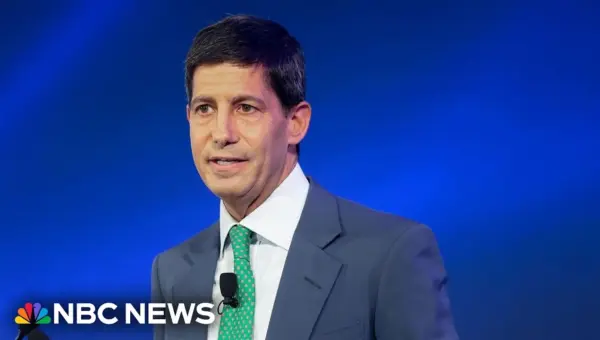
Senate Debates Kevin Warsh’s Fed Chair Nomination Amidst Economic Concerns
The Senate held a contentious confirmation hearing for Kevin Warsh, President Trump's nominee for Federal Reserve Chair. Supporters highlighted his experience, while critics questioned his independence and past record, particularly concerning the 2008 financial crisis. Warsh pledged to uphold the Fed's dual mandate and independence amid ongoing economic challenges.
Economy’s Hidden Dangers: Why Wall Street’s Optimism Deceives
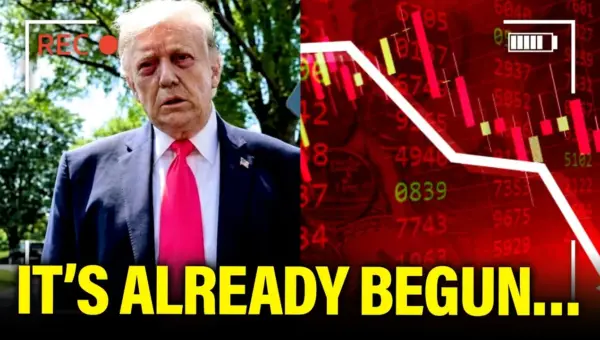
Despite record highs on Wall Street, everyday Americans face financial strain, rising debt, and falling real income. A deep dive into economic data and historical parallels with 2007-2008 reveals that misleading signals and a weakening U.S. Treasury market point to hidden dangers beneath the surface of market optimism.
Businesses Could Get $160 Billion Back in Tariffs
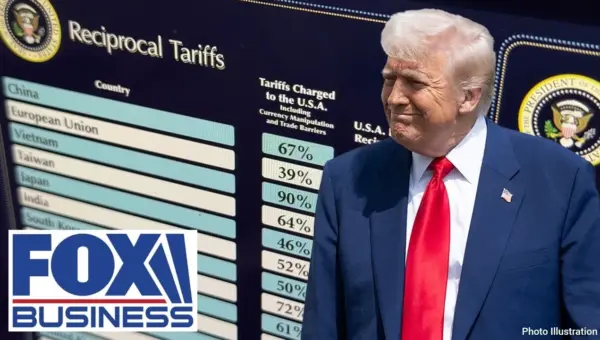
Businesses may soon receive an estimated $160 billion in returned tariffs, but the funds are going to importers, not directly to consumers who paid higher prices. Meanwhile, a Federal Reserve nominee, Kevin Warsh, is set for a confirmation hearing where his views on interest rates and Fed independence will be closely watched by markets.