US Navy Strikes Iranian Ships, Escalating Global Tensions
The US military has intercepted and boarded a second Iranian-linked ship, the MT Tiffany, in the Indo-Pacific, as part of ongoing efforts to disrupt illicit networks. This action occurs amidst rising diplomatic tensions, with former President Trump warning Iran of severe consequences if negotiations fail. Despite Iran's claims of evading a blockade, US forces continue their assertive maritime enforcement and surveillance operations.

US Navy Strikes Iranian Ships, Escalating Global Tensions
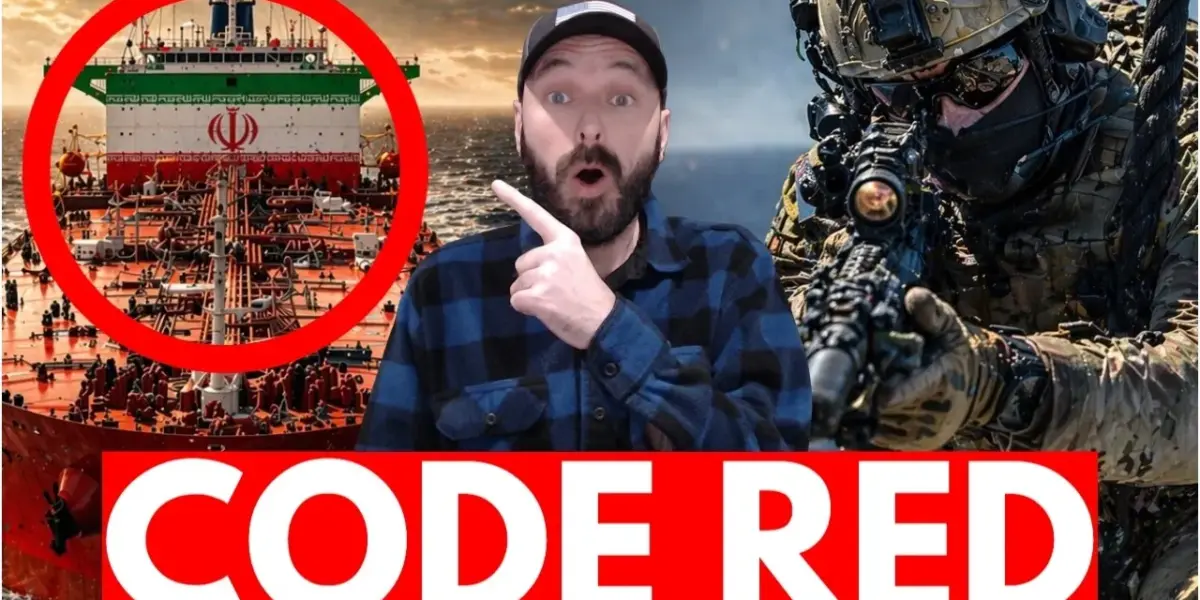
On April 21st, the United States military took significant action by boarding and seizing a second Iranian-linked ship. This event occurred as a blockade against Iran remains active and US forces are actively monitoring Iranian vessels worldwide.
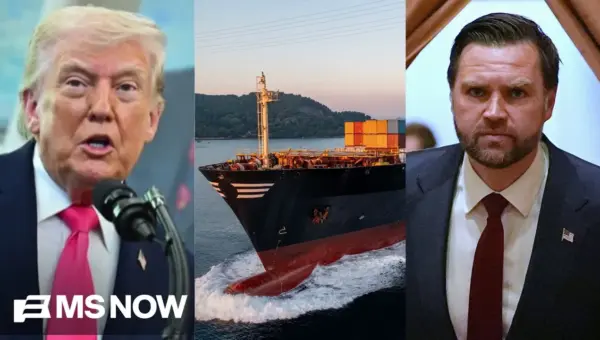
The latest incident took place in the Indo-Pacific region, where US commandos boarded the oil tanker MT Tiffany. This action is part of a broader effort to disrupt illegal networks and prevent sanctioned ships from supplying Iran.
The Department of War released footage showing commandos rappelling from helicopters onto the MT Tiffany. This boarding operation is described as a “right of visit” maritime interdiction. The MT Tiffany is a stateless vessel that has been involved in transporting Iranian oil since December 2024.
It was sanctioned by the US on July 30th, 2025, for conducting “dark activities” and loading Iranian oil through ship-to-ship transfers in the Singapore area. These activities are part of Iran’s “shadow fleet,” used to export oil and fund its government.
This is not the first recent seizure. A few days prior, US forces boarded and took control of another vessel, a cargo ship believed to be carrying secret or dual-use cargo.
Early reports suggested this cargo might have been chemicals for Iran’s ballistic missile program, possibly shipped from China. The US military also released footage of this earlier operation, showing helicopters and night vision views, and detailing the disabling of the ship’s engine room with gunfire.
Iran, however, has claimed that at least one of its tankers, the MT Sili City, successfully evaded the US blockade and reached Iranian territorial waters, escorted by the Iranian Navy. This claim is met with skepticism, given the unreliability of information from Iranian state media. The US maintains that international waters are not a safe haven for sanctioned vessels and vows to continue its enforcement efforts.
Diplomatic Tensions Rise Amidst Military Actions
The military actions coincide with a tense period of diplomatic negotiations. Former President Donald Trump stated on social media that Iran has repeatedly violated a ceasefire.
He also alluded to “Operation Midnight Hammer,” describing it as a “complete and total obliteration” of nuclear sites in Iran. Trump suggested that cleaning up the remnants of these sites would be a lengthy process.
Trump also issued a warning regarding upcoming negotiations, stating, “They’re going to negotiate and if they don’t, they’re going to see problems like they never have seen before.” This suggests a strategy of applying maximum pressure on Iran before talks are scheduled to begin in Pakistan. However, Iran’s parliament speaker, Mohammad Bagher Ghalibaf, accused Trump of seeking to turn negotiations into a “table of surrender” or to justify renewed war.
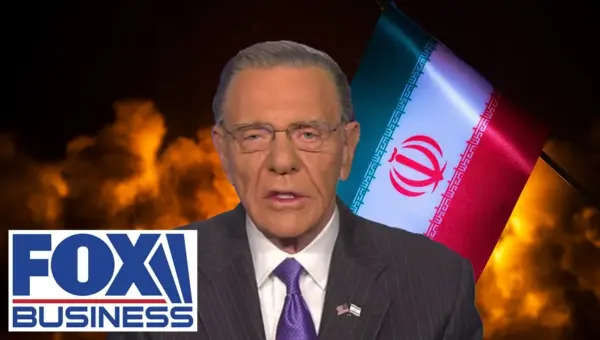
Ghalibaf added that Iran does not accept negotiations under threats and has prepared “new cards on the battlefield.” This indicates a hardline stance from Iran, potentially fueled by the IRGC, the hardline paramilitary force now controlling the country. The IRGC is known for its reluctance to negotiate or concede on key issues like enriched uranium or dismantling nuclear facilities.
Despite these tensions, reports suggest that Iranian negotiators may attend the talks in Pakistan, having reportedly received approval from the Supreme Leader. US Vice President JD Vance is also expected to be present, though the overall outlook for constructive negotiations remains uncertain given the opposing rhetoric.
Broader Geopolitical Context and Surveillance
The situation is further complicated by assessments from Western military officials. They believe that reopening the Strait of Hormuz, a critical global oil transit route, will require an international coalition, not just the US naval blockade. Currently, the US has deployed approximately 15 warships and an aircraft carrier to secure the strait’s access points.
In parallel with these naval operations, the US is actively conducting surveillance. An MQ4C Triton drone has been observed flying near Iranian airspace over the Persian Gulf, gathering intelligence. The US military has also been conducting continuous airlift operations, restocking supplies and bringing in personnel, suggesting readiness for potential escalation.
There are also reports of fighter jets in the air over Shiraz, Iran. It’s unclear if these are Iranian patrols or escorting aircraft. Iran’s air force includes older models like the F-4 Phantom and MiG-29, which are still operational.
Why This Matters
The aggressive maritime interdiction by the US Navy directly confronts Iran’s ability to export oil and acquire necessary materials, aiming to cripple its economy and military programs. This escalation carries significant risks, potentially drawing the US deeper into conflict in the Middle East and impacting global energy markets. The success of these seizures and the disruption of Iran’s illicit networks, if sustained, could weaken Iran’s regional influence and its pursuit of advanced weaponry.
Implications, Trends, and Future Outlook
The current actions signal a more assertive US policy towards Iran, moving beyond sanctions to direct military intervention at sea. This trend suggests a potential for increased naval confrontations in international waters.
The upcoming negotiations, if they occur, will be a critical test of whether diplomacy can de-escalate the situation or if military pressure will continue to dominate. The involvement of other nations in securing key shipping lanes like the Strait of Hormuz is a developing trend that could reshape regional security dynamics.
Historical Context and Background
Tensions between the US and Iran have been high for decades, particularly following the 1979 Iranian Revolution. The US has consistently sought to curb Iran’s nuclear program and its support for regional militant groups. Sanctions have been a primary tool, but recent events indicate a shift towards more direct enforcement actions.
The use of a “shadow fleet” by Iran to evade sanctions is a tactic developed over years of international pressure. The Strait of Hormuz has historically been a flashpoint, with both countries having the capability to disrupt shipping traffic.
As of the morning of April 21st, the US has seized two Iranian-linked vessels. The situation remains highly fluid, with ongoing surveillance and military readiness. The scheduled negotiations in Pakistan, though facing significant headwinds, represent a potential, albeit uncertain, path toward de-escalation.
Source: BREAKING: U.S. Military STORMS Second Iranian Ship *STRIKE FOOTAGE* (YouTube)

Related Articles
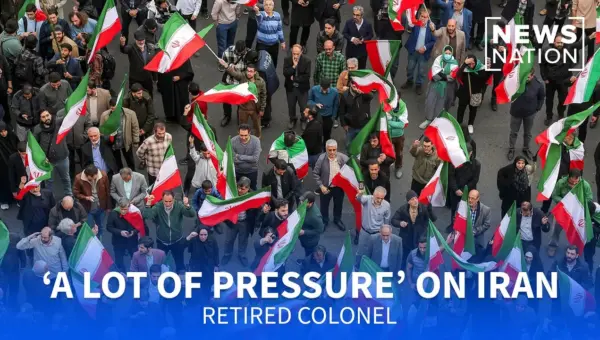
Iran’s Nuclear Game: A Tightrope Walk to Peace?
Iran faces pressure to negotiate but is internally divided, with the Revolutionary Guard opposing compromise. A potential cease-fire extension is seen as a political move driven by fuel prices and regional stability concerns.
Iran Talks Gain Leverage From Blockade
A U.S. blockade of Iranian oil exports is giving negotiators significant leverage in peace talks. The U.S. demands Iran abandon its nuclear program and cease actions in the Strait of Hormuz, with sanctions relief contingent on verifiable behavior change. China's role as a financial and technological supporter of Iran adds complexity to the situation.
US and Iran Trade Mixed Signals Amid Peace Talk Hopes
The United States and Iran are sending conflicting signals ahead of potential peace talks as a ceasefire deadline approaches. While some diplomatic channels appear open, escalating rhetoric from both sides creates uncertainty. Key issues on the table include the Strait of Hormuz and Iran's nuclear program, complicated by internal divisions and international concerns.