Ossoff Exposes Vance’s Empty Rallies, Highlights Economic Woes
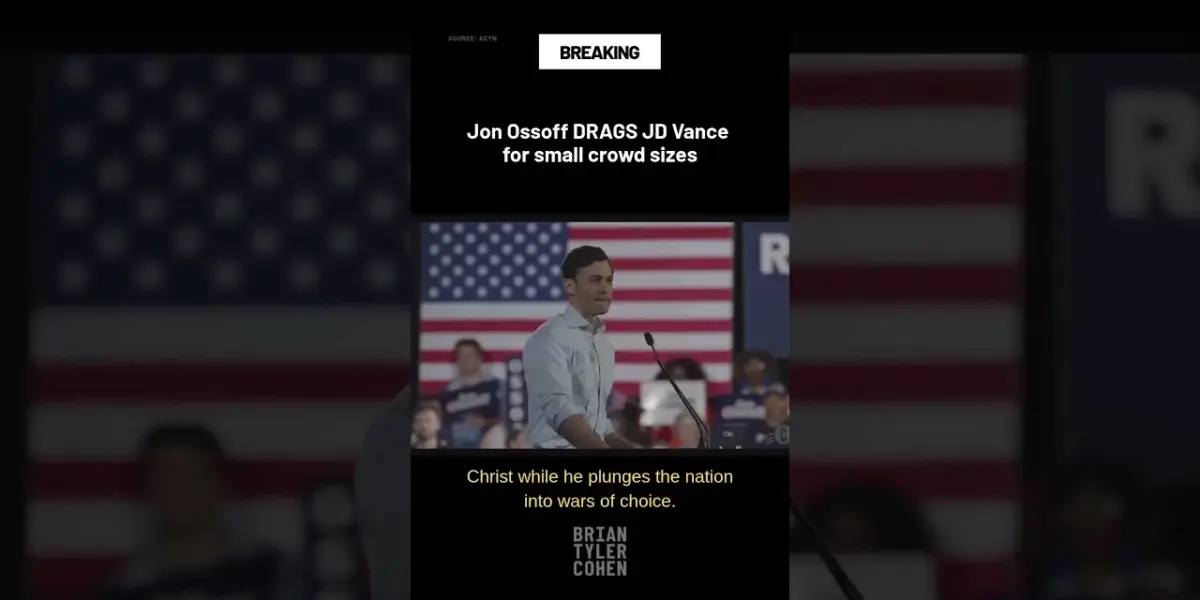
Senator Jon Ossoff highlighted J.D. Vance's small rally crowd sizes to criticize economic policies. Ossoff contrasted rising costs for essentials like groceries with the growing wealth of the first family, calling them "crooks."

Ossoff Exposes Vance’s Empty Rallies, Highlights Economic Woes
Senator Jon Ossoff recently pointed out the surprisingly small turnout at a rally held by J.D. Vance in Georgia.
Ossoff shared images of what appeared to be a nearly empty stadium, suggesting a lack of public interest in Vance’s message. This observation was made during a period when Vance was visiting the state to criticize religious figures.
The timing of Vance’s visit and his focus on criticizing the Pope drew immediate comparison to former President Donald Trump. Ossoff highlighted that this event occurred just two days after Trump had been depicted as Jesus Christ. This juxtaposition, according to Ossoff, revealed a pattern of behavior from Trump and his allies.
Economic Hardship Under Trump’s Shadow
Ossoff used the occasion to draw a stark contrast between the perceived actions of Trump and the economic realities faced by everyday Americans. He accused Trump of plunging the nation into unnecessary wars and enriching his family through dealings with foreign entities. Ossoff also criticized tax cuts that he claimed benefited the wealthy while straining public services.
The senator then presented data on rising costs for essential goods and services. He stated that rent, electricity, and groceries have reached record high prices.
Specifically, Ossoff mentioned that the cost of ground beef had increased by 20% since Trump took office. Coffee prices reportedly rose by 40%, and health insurance premiums have also significantly increased.
Wealth Disparity and Accusations of Corruption
While ordinary citizens face these rising costs, Ossoff pointed out that the wealth of the first family has grown by billions. He directly called the Trump family “crooks,” implying corrupt practices were behind their financial gains. This accusation, he stated, is widely known and accepted.
Why This Matters
This exchange highlights a common political tactic: using a rival’s perceived weaknesses to draw attention to one’s own strengths or policy positions. Ossoff’s strategy was to use Vance’s poorly attended rally as a springboard to discuss pressing economic issues. By linking Vance to Trump, Ossoff aimed to associate Vance with policies and actions that he believes have harmed the public.
The effectiveness of such tactics often depends on the audience’s existing perceptions and the resonance of the economic message. For voters struggling with inflation, the argument that their financial burdens are a direct result of specific political actions can be very persuasive. The visual of an empty stadium can also be interpreted as a sign of declining support for the politician or their associated party.
Historical Context and Trends
Political rallies have long been a staple of campaigning, serving as opportunities for candidates to energize supporters and project an image of broad appeal. Historically, large, enthusiastic crowds have been seen as a positive indicator of a campaign’s momentum. Conversely, small turnouts can be interpreted as a sign of weakness or disinterest.
The critique of economic policies and the accusation of corruption are also recurring themes in political discourse. Throughout history, politicians have leveraged economic anxieties to gain support, often by blaming opponents for inflation or financial hardship. The narrative of a wealthy elite profiting at the expense of the common person is a powerful one that has been used across different eras and political spectrums.
Implications and Future Outlook
Ossoff’s comments suggest a potential strategy for Democrats to counter Republican messaging by focusing on economic disparities and perceived ethical lapses. The emphasis on everyday costs like groceries and rent is likely to resonate with a broad segment of the electorate. This approach aims to shift the focus from cultural or ideological debates to kitchen-table economic issues.
The success of this strategy will likely depend on how effectively these economic arguments are communicated and whether voters connect them to specific political figures and policies. As elections approach, expect more direct comparisons between candidates’ perceived economic impacts and their associations with national political figures. The visual of rally turnout will continue to be a point of contention and interpretation.
The next major election cycle will be a key test for whether this focus on economic hardship and critiques of wealth accumulation can effectively mobilize voters and influence outcomes.
Source: Jon Ossoff DRAGS JD Vance for small crowd sizes (YouTube)

Related Articles
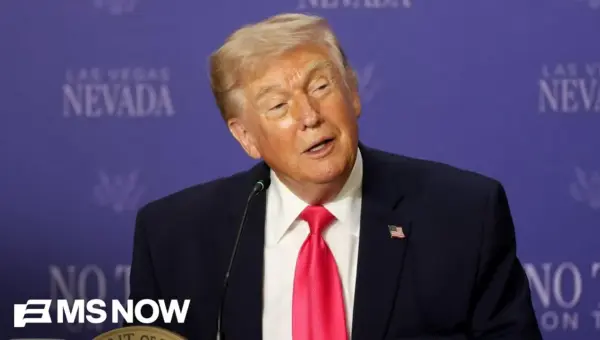
Trump’s Approval Sinks as Americans Fret Over Rising Costs
Donald Trump's approval rating has fallen to a new low as Americans express deep concern over rising costs, particularly gas prices. A recent poll shows only 37 percent approval, with two-thirds disapproving of his handling of inflation and the Iran war. Congressman Ted Lieu criticized the administration's economic policies, calling the current situation a "cost-of-living emergency."
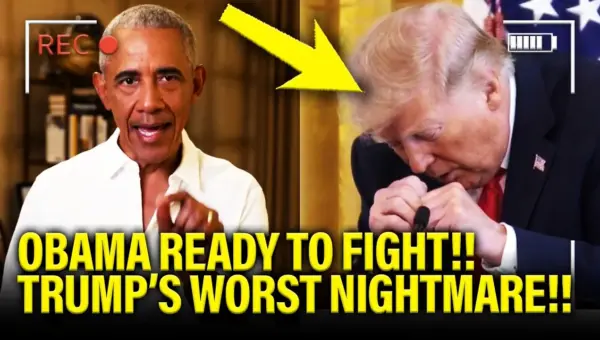
Obama and Allies Launch Bold Offensive Against Trump
Former President Barack Obama and Senator Jon Ossoff are leading a new Democratic offensive against Donald Trump. They are focusing on policy, alleged corruption, and defending democratic values. This strategy aims to counter Trump's influence by highlighting economic struggles and the importance of voting rights.
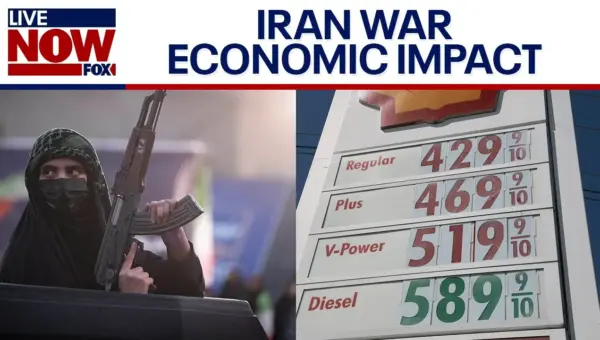
Iran War Hits US Economy: Tips Tax Cut Offers Relief
President Trump's 'no tax on tips' initiative aims to ease financial burdens on workers amid global economic pressures from the Iran conflict. While the wealthy see gains, many Americans struggle with inflation and high interest rates. Experts advise living within means and reducing debt to navigate these challenging times.