Iran War Hits US Economy: Tips Tax Cut Offers Relief
President Trump's 'no tax on tips' initiative aims to ease financial burdens on workers amid global economic pressures from the Iran conflict. While the wealthy see gains, many Americans struggle with inflation and high interest rates. Experts advise living within means and reducing debt to navigate these challenging times.

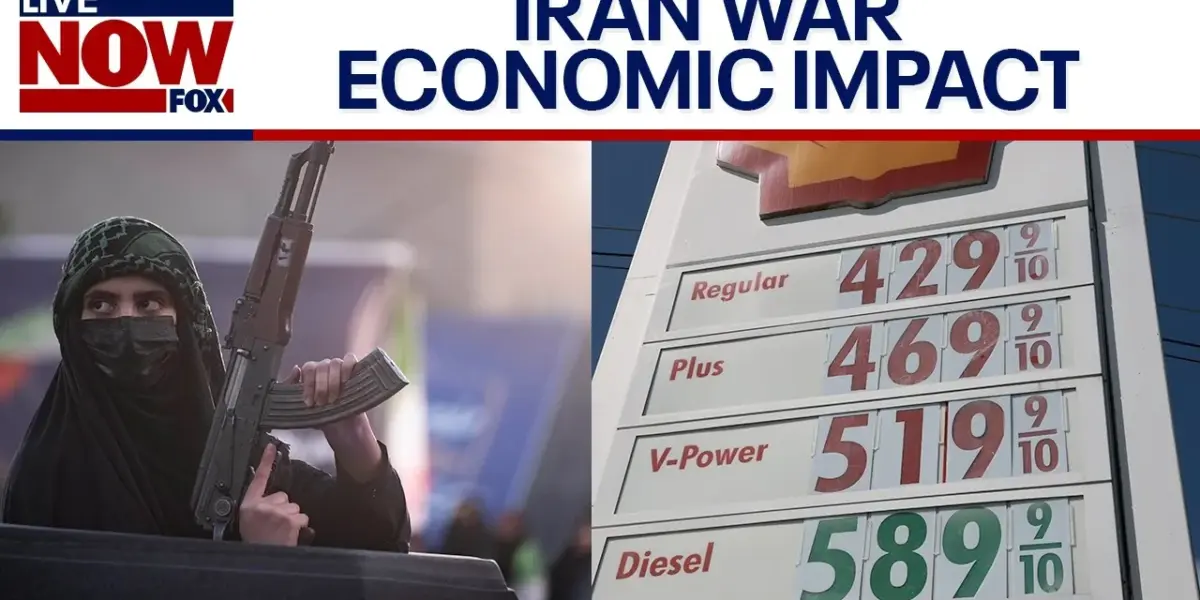
Iran Conflict Disrupts Global Markets, Impacts US Economy
The ongoing conflict involving Iran continues to send ripples through the U.S. and global economies. Recent events, including the closure of the Strait of Hormuz, have heightened concerns about oil prices and overall economic stability. Amidst these global pressures, President Trump has been actively promoting his “no tax on tips” initiative, aiming to provide some relief to American workers.
“No Tax on Tips” Initiative: Who Benefits?
President Trump’s push to eliminate federal income tax on tips is seen as a direct appeal to a significant portion of the workforce, particularly in states with large service industries. Nevada, with its extensive casino and hospitality sectors, is a prime example where many workers rely heavily on tips. This policy directly benefits those who earn a substantial part of their income through gratuities, potentially increasing their take-home pay significantly.
Francis Newton, CIO of Tuttle Wealth, explained that this initiative could be a net positive, especially for lower-income earners. “I think Trump is getting ahead of that with the no tax on tips because obviously that’s going to affect the lower um you know echelon of the economy,” Newton stated. While some states like New York, California, and Illinois are not fully adopting this policy, Newton believes it’s generally a positive move for the broader economy.
A “K-Shaped” Economy: Wealthy Thrive, Others Struggle
Newton characterized the current U.S. economy as “K-shaped.” This means that while the wealthiest Americans, who own assets like stocks, are seeing significant gains—evidenced by new all-time highs in the S&P 500 and NASDAQ 100—a large segment of the population is struggling. Many Americans, even those employed, live paycheck to paycheck and are burdened by rising interest rates on credit cards, sometimes as high as 30%.
Inflation, though its rate of increase has slowed since its peak, continues to affect daily life. The price increases that occurred during the pandemic are still impacting consumers, meaning many are effectively paying much more for essential goods and services. This creates a stark divide between the affluent and the working class.
Geopolitical Tensions and Economic Outlook
The conflict in Iran directly influences global commodity prices, especially oil. While President Trump suggests potential short-term pain for long-term gain, the economic outlook remains complex. Newton hopes for the President’s success in strengthening the U.S. global economic position, aiming to increase reliance on net exports rather than government spending.
The U.S. currently holds a dominant position globally, accounting for about 26% of worldwide GDP and possessing deep, liquid capital markets. However, concerns exist about China’s growing economic momentum and its potential to challenge U.S. dominance. Newton highlighted that President Trump’s broader strategy involves maintaining America’s leverage in international trade and ensuring its continued global leadership.
Navigating Economic Uncertainty
In the face of economic uncertainty, Newton offers practical advice for individuals feeling the impact. “My advice to them would be to get rid of your debt just because interest rates are high,” he recommended. He also stressed the importance of living within one’s means and reducing unnecessary household expenses.
The situation remains dynamic, with market futures opening on Sundays and reacting to developing news. The resolution of the Iran conflict and potential ceasefire announcements will be key factors influencing market movements. Continued focus on issues like the bond market and affordability will be crucial for economic stability moving forward.
Key Indicators to Watch
Market watchers are closely observing several key indicators. While the S&P and NASDAQ reached new highs, oil prices have not returned to pre-conflict levels.
Similarly, the U.S. 10-year Treasury yield, which affects borrowing costs, remains elevated. The U.S. dollar is also trending lower, which can positively impact assets like Bitcoin, gold, and the S&P 500.
The future trajectory of the U.S. economy will depend on a complex interplay of domestic policies and international events. As the conflict in Iran evolves, its impact on global energy markets and geopolitical stability will continue to be a significant factor shaping economic conditions worldwide.
Source: Iran war continues to impact U.S., global economies (YouTube)

Related Articles

Iran Conflict Looms: Congress Must Decide War’s Fate
The ongoing conflict in Iran raises questions about presidential authority and congressional duty. Experts express doubt about the current negotiations, while economic realities show a divide between Wall Street and Main Street. New political candidates are emerging with a focus on collaboration and service.

Pope Condemns Trump’s War, Draft Fears Rise
The Pope has publicly condemned Trump's potential war and the idea of a military draft, urging for peace. Meanwhile, Republicans face voter anger over the conflict, with many avoiding town halls. Concerns are rising about the war's origins, strategy, and the potential return of conscription, highlighting the importance of the upcoming elections.


Trump’s Claims Crumble Amid War and Court Setbacks
Donald Trump's claims about international deals and national security face scrutiny amid war escalations and court losses. Legal challenges, including a blocked ballroom construction and a potential $10 billion taxpayer settlement, raise questions about accountability and priorities.