Jury Finds Live Nation Illegally Monopolized Ticket Market
A jury has found Live Nation and Ticketmaster guilty of violating antitrust laws, ruling they operated as an illegal monopoly. The verdict came after years of consumer complaints and revealed internal company messages mocking fans. The decision marks a significant shift in antitrust enforcement, with states stepping in where federal regulators previously settled.

Jury Rules Live Nation Illegally Monopolized Ticket Market
In a landmark decision, a jury has found Live Nation and its subsidiary Ticketmaster guilty of violating antitrust laws. The verdict, reached this week, determined that the company operated as an illegal monopoly.
This ruling indicates that Live Nation unfairly locked out competitors, pressured artists and venues, and overcharged consumers for years. Corporate America is now on notice that exploiting size and market reach may face consequences.
A Jury of Ordinary People Made the Call
For the first time in American history, a jury of everyday people, not just a judge, decided a civil monopolization case. This historic decision was placed in the hands of ordinary citizens. Live Nation Entertainment, the parent company of Ticketmaster, has long been a target of public anger.
The company controls about half of the concert promotion market. It owns venues, manages artists, and sells tickets through Ticketmaster.
Merger Approved, Conditions Violated
Live Nation merged with Ticketmaster in 2010. Consumer advocates and competition experts had warned against this merger. The Obama administration approved it, but with conditions.
Live Nation later repeatedly violated these conditions. Consumers wanting to attend major concerts often had only one choice: Ticketmaster. This often came with a barrage of fees.
Internal Memos Showed Mockery of Customers
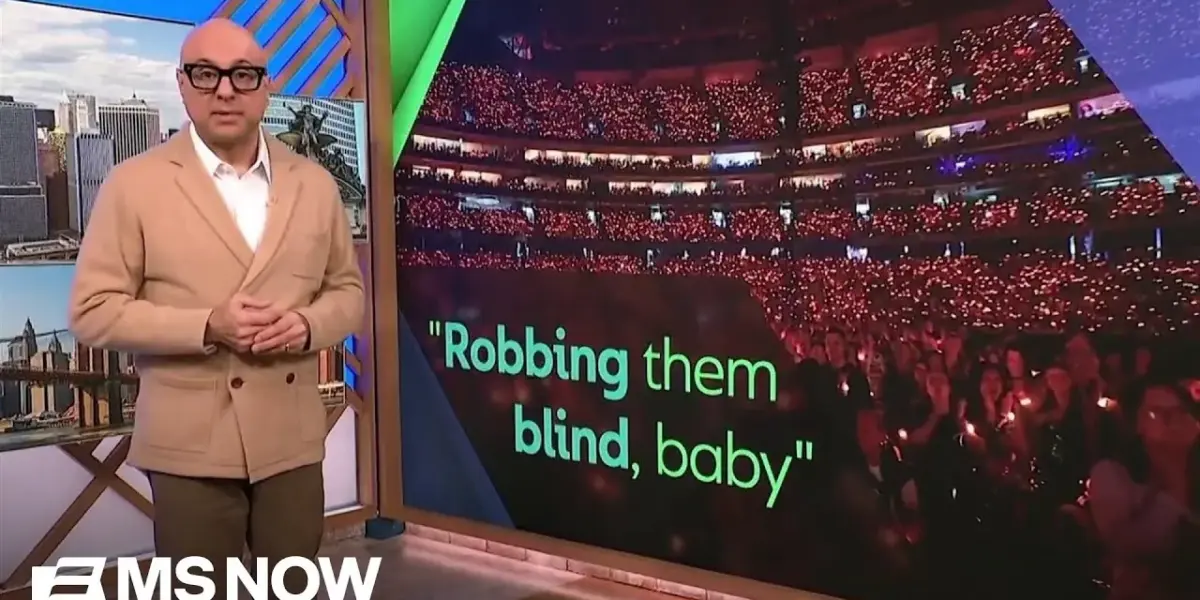
Internal company chat logs revealed at the trial showed Live Nation employees mocking their own customers. Employees joked about easily overcharging fans. One message read, “I charge $50 to park in the grass, LMAO.” Another stated, “Robbing them blind, baby.
That’s how we do.” Employees also wrote, “These people are so stupid. I have VIP parking up to $250, LOL.” The jury saw these messages and found the company liable on all three counts.
From Taylor Swift Fans to Legal Action
The turning point for public outcry was Taylor Swift’s Eras Tour in November 2022. Millions of fans struggled to buy tickets on Ticketmaster. The system crashed, and many faced prices ten times higher than expected.
This frustration wasn’t limited to Swift fans. It united everyone who had experienced long hold times, price hikes, and excessive fees.
Organized Public Pressure Led to Investigation
Angry fans, particularly Swifties, organized and contacted their representatives. They attended Senate hearings, prompting political action. The Department of Justice launched an investigation in 2022.
In 2024, the DOJ and 40 states filed lawsuits. This broad coalition showed bipartisan support for addressing the issue.
Trump Administration’s Settlement Attempt
Just weeks before the jury verdict, the Trump administration’s Justice Department announced a settlement with Live Nation. This move surprised many, including the DOJ’s own trial team.
The judge called the backroom deal “absolutely unacceptable” and disrespectful to the court and jury. Reports suggest Donald Trump personally pushed for this settlement after hearing from Hollywood agent Ari Emanuel.
States Continued the Fight for Justice
While the DOJ settled, 33 states and Washington D.C. Refused to join. They continued their legal fight.
These states hired antitrust lawyer Jeffrey Kessler, known for his work in high-profile cases. He helped the remaining states win the case for the jury.
Arizona Attorney General Chris Mays stated, “This verdict sends a clear message. No corporation is too big to face justice.”
A Shift in Antitrust Enforcement
This case highlights a growing trend in antitrust law. The focus is shifting from market efficiency to protecting consumers. This approach, sometimes called the Neo-Brandeis movement, prioritizes people over corporate power.
It argues that concentrated corporate power can harm democracy itself. Lina Khan, head of the FTC, has been a key figure in this ideological shift.
What Happens Next?
Live Nation plans to appeal the verdict. The judge will now decide on remedies. These could include financial penalties or a forced breakup of Live Nation and Ticketmaster.
Such a breakup would be a major antitrust action. Private lawsuits from harmed venues, artists, and competitors are expected.
Source: Jury finds Live Nation violated antitrust laws (YouTube)

Related Articles

Jury Finds Live Nation Guilty: A Blow to Monopoly Power
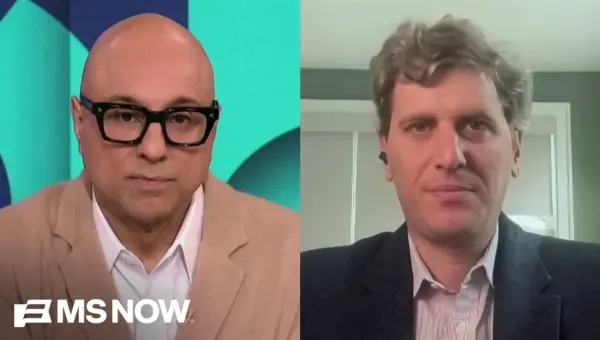
A jury has found Live Nation guilty of monopolizing the live events industry, a decision Matt Stoller calls a "very big deal" and a sign of democratic pushback against corporate power. The verdict signals a potential end to an era of unchecked corporate behavior and may inspire further antitrust actions.
Ticketmaster Found Illegal Monopoly: A Win for Fans
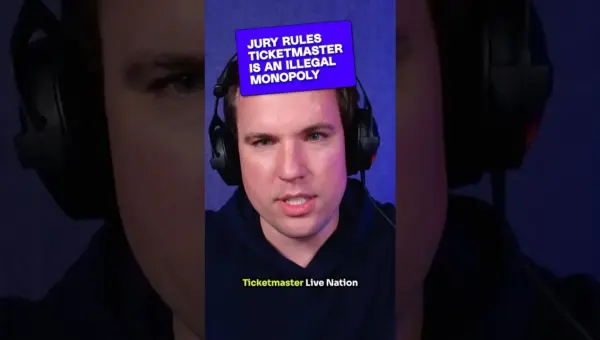
A jury has declared Ticketmaster, under Live Nation Entertainment, an illegal monopoly. This landmark ruling, won by state attorneys general, signals a potential shift in the live event industry. Consumers hope for more choices and fairer prices following the verdict.
States Triumph Over Ticketmaster, DOJ Falls Short
States have secured a major victory against Ticketmaster and Live Nation, with a jury finding the companies liable for anti-competitive practices. This win highlights the power of state-led antitrust enforcement, especially as the U.S. Department of Justice settled on weaker terms. The upcoming remedy phase could lead to significant changes, including potential breakups or financial penalties, aiming to restore fairness and affordability for consumers.