Jury Finds Live Nation Guilty: A Blow to Monopoly Power
A jury has found Live Nation guilty of monopolizing the live events industry, a decision Matt Stoller calls a "very big deal" and a sign of democratic pushback against corporate power. The verdict signals a potential end to an era of unchecked corporate behavior and may inspire further antitrust actions.


Live Nation Found Liable in Antitrust Case
A jury has found Live Nation guilty of illegally monopolizing the live events industry. The verdict, reached after a trial, signals a potential shift in how corporate power is viewed and challenged. Matt Stoller, Director of Research at the American Economic Liberties Project, called the decision a “very big deal” during a recent interview.
Monopoly Crisis Meets Democratic Pushback
Stoller highlighted that while the United States faces an extreme moment of monopoly power, there is also a growing movement pushing back against it. He noted that decisions like the Live Nation verdict are early signs of this democratic pushback. This isn’t just about one company; it’s about a broader trend of people saying enough is enough.
Ticketmaster’s Failures Fuel Outrage
The core of the case against Ticketmaster, a Live Nation subsidiary, centered on its inability to effectively sell tickets despite its dominant market position. Stoller pointed out the irony: “Ticketmaster couldn’t sell tickets.
The name is Ticketmaster, and they couldn’t sell tickets.” This failure, coupled with alleged overcharging and deceptive practices, drove public frustration and a desire for action. It suggests that even powerful companies must deliver basic services to avoid backlash.
From Innovation to Extraction
The public’s perception of major tech companies has shifted dramatically. Companies once seen as innovative, like Google, are now viewed as purely extractive.
This change in perspective is fueling political pushback, with the Live Nation verdict serving as a prominent example. Stoller believes this shift indicates a desire for companies to be held accountable for their actions.
A Signal to Corporate America
While the verdict itself may not immediately change specific laws, its impact as a signal to the corporate world is significant. Stoller explained that the 2010 merger of Live Nation and Ticketmaster was approved without significant challenge, sending a message of “anything goes.” This new verdict, however, is a warning to CEOs. Lawyers advising executives will now have to consider the Ticketmaster verdict when assessing potential overcharging or coercive business practices.
The Era of Enabled Lawlessness Ends?
For years, a lack of enforcement and lenient judicial decisions created an environment where large companies felt they could operate without consequence. Stoller described this as an “environment of lawlessness.” The Ticketmaster verdict suggests this era may be ending. CEOs will now have to think twice before engaging in questionable behavior, knowing that juries are listening and holding them accountable.
Broader Implications and Future Trials
This verdict is not an isolated event. It follows similar outcomes involving tech giants like Google and Meta regarding their addictive products. Stoller noted that these cases often inspire a wave of subsequent lawsuits.
He mentioned that after the Meta case, around 1,100 more trials were expected. The Live Nation verdict could similarly encourage more antitrust litigation.
A Message for Political Leaders
The decision also sends a clear message to elected officials, regardless of party affiliation. It indicates that the public wants a pushback against what Stoller calls “elite lawlessness” and the merging of corporate and political power. The verdict suggests that voters are looking to their leaders to take concrete action against monopolistic practices.
Bipartisan Acknowledgment of Wrongdoing
Interestingly, the verdict has drawn praise from figures associated with past administrations, including the Trump administration. Gail Slater, a former enforcer, congratulated the state attorneys general involved, calling it “antitrust history.” Stoller interprets this bipartisan acknowledgment as a sign that even those who previously enabled such practices recognize they were wrong. This suggests a potential for broader consensus on enforcing antitrust laws.
The Power of Public Action
The case demonstrates the power of public action, whether through voting, legal challenges, or protests. Stoller emphasized that corporations know the right thing to do but often choose not to without public pressure.
The task ahead is to continue using these tools to push for change. The outcome of the midterms could also be influenced by this public sentiment, signaling a desire for stronger action against corporate overreach.
Looking Ahead
The full impact of the Live Nation verdict will unfold in the coming months and years. Attention will now turn to the specific remedies imposed on Live Nation and whether this verdict spurs further regulatory action or legislative changes. The ongoing legal battles and public discourse surrounding corporate accountability will be key indicators of whether this marks a lasting shift in the fight against monopoly power.
Source: Matt Stoller on Live Nation verdict: This victory matters (YouTube)

Related Articles

Ticketmaster Found Illegal Monopoly: A Win for Fans
A jury has declared Ticketmaster, under Live Nation Entertainment, an illegal monopoly. This landmark ruling, won by state attorneys general, signals a potential shift in the live event industry. Consumers hope for more choices and fairer prices following the verdict.
States Triumph Over Ticketmaster, DOJ Falls Short
States have secured a major victory against Ticketmaster and Live Nation, with a jury finding the companies liable for anti-competitive practices. This win highlights the power of state-led antitrust enforcement, especially as the U.S. Department of Justice settled on weaker terms. The upcoming remedy phase could lead to significant changes, including potential breakups or financial penalties, aiming to restore fairness and affordability for consumers.

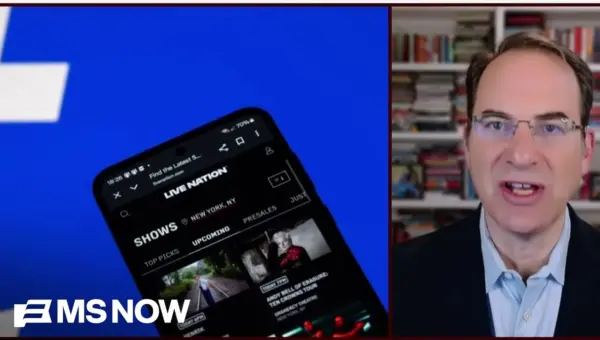
Live Nation Found Guilty of Illegal Monopoly, Faces Breakup
A Manhattan jury found Live Nation, parent company of Ticketmaster, guilty of operating as an illegal monopoly and overcharging consumers. Colorado Attorney General Phil Weiser is leading efforts to break up the company, which controls ticketing, promotion, and venues. Weiser is also involved in a lawsuit challenging an executive order restricting mail-in voting.