State of the Union Criticized as Political Theater, Economic Disconnect
Critics are lambasting the State of the Union as a mere distraction from economic realities, accusing politicians of engaging in "billionaire cosplay" while consumers bear the brunt of tariffs and geopolitical interventions create global instability. The analysis suggests a profound disconnect between the elite and the working class, with little hope for systemic solutions or a secure future.

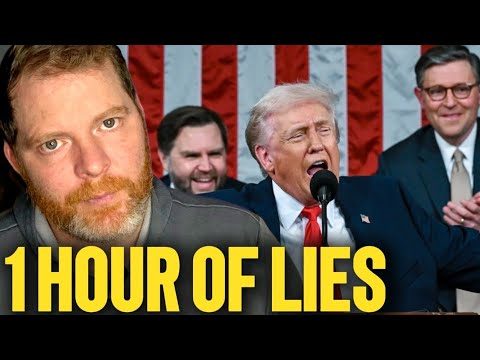
Critics Slam State of the Union as ‘Distraction’ Amid Economic Hardship
WASHINGTON D.C. – The recent State of the Union address has drawn sharp criticism from commentators who argue the event serves as a mere distraction from the economic realities faced by ordinary Americans. According to one analysis, the hour-and-a-half-long presentation was characterized as “political theater,” designed to divert attention from tangible experiences of hardship and a declining quality of life for many citizens.
Tariffs Under Fire: Economic Impact on Consumers Questioned
A significant point of contention highlighted was the effectiveness and impact of tariffs, particularly those imposed by the Trump administration. Recent Supreme Court rulings regarding the legality of these tariffs, and the subsequent defiance from Donald Trump, have been a focal point. Critics argue that the narrative of tariffs saving the country is fundamentally flawed, asserting that consumers, not corporations, bear the brunt of these costs. Reports suggest that up to 95% of tariff costs are passed on to consumers, exacerbating the ongoing cost of living crisis. The prospect of companies receiving refunds further fuels accusations of a “twisted narrative” that prioritizes corporate interests over the financial well-being of the American populace.
“The saying that the tariffs save this country is just a denial of reality. But we shouldn’t be surprised by that because reality just isn’t in the conversation at all at this point.”
‘Billionaire Cosplay’: Elite Disconnect from Working Class
The critique extends to a perceived disconnect between the political elite and the everyday struggles of Americans. The address and the broader political discourse are described as “billionaire cosplay” and “millionaires getting up there and just doing what they do, which is self-congratulate and look for approval by people who are richer than them.” This perspective suggests a governmental policy that consistently “punches down on the American people,” yet paradoxically retains support from a significant portion of the electorate. The analysis posits that a substantial segment of the population has “completely checked out” or is actively opposed, recognizing the detrimental effects on their lives and the future of their children.
Authoritarian Overreach and Lack of Opposition
Concerns have been raised about a “dangerous slide into authoritarian executive overreach” as a dominant policy model. The lack of robust opposition from within established political parties is noted, with the Democratic party’s role described as largely symbolic rather than wielding substantial power. While acknowledging the efforts of independent politicians like Bernie Sanders and Alexandria Ocasio-Cortez in engaging with constituents, the broader systemic challenges remain unaddressed. The fundamental alteration in America’s relationship with trade partners and public perception of government is seen as a long-term issue requiring generational change.
Geopolitical Interventionism and Humanitarian Concerns
The article also scrutinizes the administration’s “geopolitical interventionism,” citing over 44 military strikes in the Caribbean resulting in numerous deaths. These actions are characterized as “illegal to the rest of the world” and “extrajudicial,” drawing condemnation from international observers. The celebration of such strikes is deemed “deplorable” and “grotesque,” particularly when the identity of the targets—whether drug runners or fishing vessels—remains uncertain. This interventionist approach is linked to the creation of refugee crises globally, impacting regions like Europe and potentially exacerbating border issues within the United States.
Destabilization and Refugee Crises
The destabilization of countries like Venezuela and Cuba is presented as a direct consequence of U.S. foreign policy, leading to mass displacement. An “energy siege” on Cuba, making survival difficult and forcing asylum seekers back to the island, is highlighted. This foreign policy is contrasted with domestic concerns, such as infrastructure and healthcare, which are allegedly neglected in favor of “pirate activities in the Caribbean” and “Michael Bay explosions.” The efficacy of these interventions in controlling drug trafficking, particularly fentanyl, is questioned, with claims that the majority of illicit substances enter through the U.S.-Mexico border, not via Caribbean routes.
Political Tactics: Spin and Attack
The administration’s strategy is described as one of “spin the details and go on the attack,” rather than confronting uncomfortable truths. This tactic is seen as effective in maintaining the support of a dedicated base while alienating a larger portion of the population who question the nation’s direction. The article criticizes the Democratic party’s approach, exemplified by figures like Abigail Spanberger, for diagnosing problems like the impact of tariffs but offering only “thoughts and prayers” and “corporate-approved platitudes” instead of systemic solutions. This is framed as a failure to connect with the working class and a perpetuation of the status quo that benefits the “donor class.”
The Illusion of Escape and the Future of Retirement
The piece suggests that the government is actively working to prevent citizens from leaving the country, citing issues with passport accessibility and potential suspensions. The concept of retirement in America is portrayed as an “illusion” for the majority, with projections that younger generations will work until their death. The personal anecdote of a Gen X mother facing the impossibility of retirement due to financial realities, leading her to consider relocating to Portugal, illustrates this grim outlook. This situation is attributed to a system that prioritizes profit over the well-being of the working class, leading to a “dire situation” and a “black future.”
Call for Solidarity and Self-Reliance
The article concludes with a call for self-reliance and solidarity among Americans, urging them not to place hope in political figures who are perceived as exploiting the populace. The “craziness” and “clown show” of American politics are presented as unique, with the rest of the world seeking distance. For those who remain, the emphasis is on unity to prevent the political establishment from continuing to “harvest every little bit of wealth” from the working class. The sentiment is that the current system is designed for the profit of elites, leaving ordinary Americans with “absolutely nothing.”
Source: The State of the Union is a Scam (GET OUT NOW) (YouTube)

Related Articles
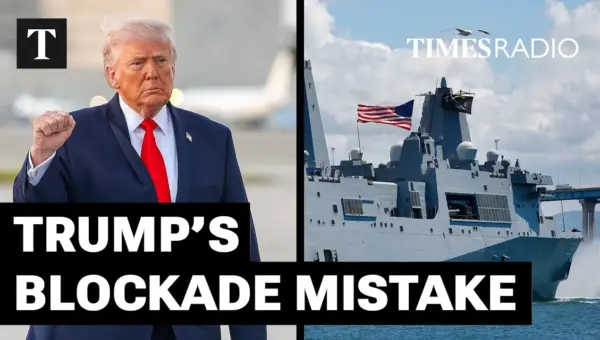
Iran Blockade Sparks War Concerns, Backfires on US, Expert Warns
The U.S. blockade on Iranian ports, aimed at crippling its economy, is sparking concerns of an "act of war" and may backfire, according to former diplomat Barbara Leaf. While the U.S. and Iran prepare for potential peace talks, hardline rhetoric and the blockade's global economic impact complicate diplomatic efforts. A key concern is a potential confrontation with China if U.S. forces intercept Chinese vessels.
US Markets Surge as Iran Tensions Ease, Oil Prices Steady
U.S. stock markets are hitting new highs as tensions with Iran ease, with the S&P 500 reaching record levels. Despite persistent oil prices around $92 a barrel, the U.S. economy shows resilience, boosted by record oil exports. The focus is shifting to the economic confrontation with Iran, including the non-renewal of oil sales waivers, and long-term strategies to bypass the Strait of Hormuz.
Trump Tax Cuts Boost Refunds, Fueling Campaign Narrative
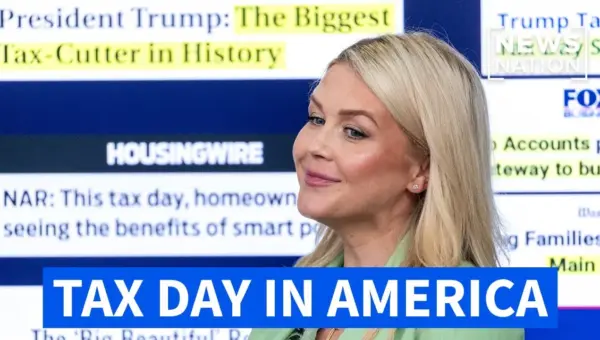
President Trump's administration is highlighting a surge in tax refunds, claiming over 53 million Americans benefited from the "working families tax cuts." Officials emphasized specific benefits like tax-free tips and overtime, contrasting these with Democratic proposals they say would raise taxes. The campaign uses Tax Day to promote the economic advantages of its policies.