Markets Cheer Trump’s Actions, Defying Expectations
The stock market is showing unexpected strength and optimism, reacting positively to President Trump's policies and actions. This trend appears to defy common political sentiment, with markets celebrating moves that impact global oil supplies and trade routes.

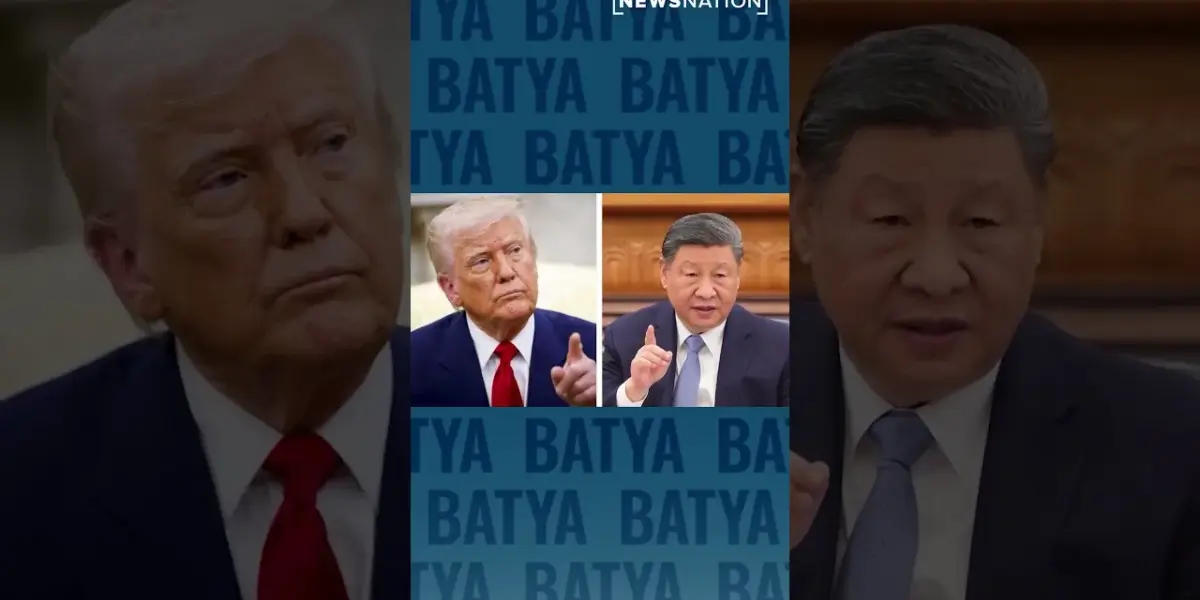
Markets Cheer Trump’s Actions, Defying Expectations
The stock market appears to be reacting positively to actions taken by President Trump, a trend that seems to go against common political sentiment. While some political groups and media outlets express strong opposition to Trump, the financial markets seem to be showing a different kind of reaction, almost as if they see benefits where others see problems.
This unusual market behavior is highlighted by recent events. Following an announcement about the Strait of Hormuz remaining open, the stock market celebrated, and oil prices dropped. Even when the U.S. had a blockade in place, the market seemed unbothered by it.
Market Performance Signals Confidence
The S&P 500 recently reached record highs, and the Nasdaq also saw significant gains, climbing 1.6% and extending a winning streak to 11 consecutive days. This strong performance suggests investors are feeling confident about the current economic situation.
Data from Axios shows that funds using trend-following computer programs bought a massive $19 billion in stocks in one week. This was the largest weekly purchase of its kind since August 2024. It indicates a strong influx of money into the stock market.
Strategic Moves and Market Perception
The market’s positive reaction may be linked to what investors see as larger strategic plays, including military operations in Venezuela and Iran. These actions, according to the analysis, have had a significant impact on global oil supplies and trade routes.
Specifically, the U.S. has reportedly cut off 25% of China’s oil supply. The United States now controls key trade routes for oil heading west. This means China must now rely on U.S. suppliers for oil, leading American oil producers to increase their output and exports.
China’s Position and Investor Outlook
Many expected China to support Iran during recent conflicts. However, President Trump’s policies appear to have forced China into a more dependent position. The idea of China dominating the global economy in the future, often called the ‘Chinese century,’ seems unlikely now.
Wall Street understands these shifts. The current U.S. strategy has put pressure on China’s economic ambitions. Investors seem to believe these moves are beneficial for American economic interests and global stability under U.S. influence.
Why This Matters
This situation highlights a potential disconnect between political narratives and market reactions. While political opposition to President Trump remains strong in many circles, the financial markets seem to be rewarding his administration’s policies. This suggests that investors are focused on tangible economic outcomes and strategic advantages.
The implications are significant for understanding how global economics and politics interact. The market’s positive response to actions like controlling oil trade routes and impacting China’s supply chain shows that these are seen as valuable economic wins.
Historical Context and Trends
Historically, markets can be influenced by geopolitical events and trade policies. However, the degree to which the market seems to overlook political controversies in favor of perceived economic benefits is noteworthy. This trend could indicate a shift in how investors weigh different factors when making decisions.
The current situation, where U.S. policy appears to be reshaping global trade dynamics and influencing major economic powers like China, is a key development. It suggests a period where strategic economic control is being prioritized and rewarded.
Future Outlook
Looking ahead, it will be important to see if this market trend continues. If U.S. economic policies continue to yield perceived benefits in trade and energy markets, investor confidence might remain high. This could lead to sustained market growth, regardless of political opinions.
The focus on U.S. control over key resources and trade routes suggests a potential strategy for maintaining economic influence. The coming months will show if this approach continues to drive market performance and shape global economic relations.
Source: The stock market has anti-Trump derangement syndrome: Batya (YouTube)

Related Articles


Strait of Hormuz Reopens, Easing Global Oil Fears
The Strait of Hormuz has reopened, potentially easing global economic pressures and lowering oil prices. Meanwhile, singer D4vd has been arrested on suspicion of murder, with new details emerging about the case. A broader investigation is underway into the suspicious deaths and disappearances of 11 scientists involved in sensitive US research.

Iran Deal Collapse Fuels Oil Market Volatility
Initial optimism over an Iran deal sent oil prices tumbling, but the optimism was short-lived as the Strait of Hormuz was reportedly closed again. This volatility highlights the significant economic damage already done, with over 500 million barrels of oil lost from the global market and $50 billion in revenues disappearing. The crisis has drained oil inventories and created a supply shock that fuels inflation and complicates economic recovery.
Iran Reopens Strait of Hormuz, Then Closes It Again
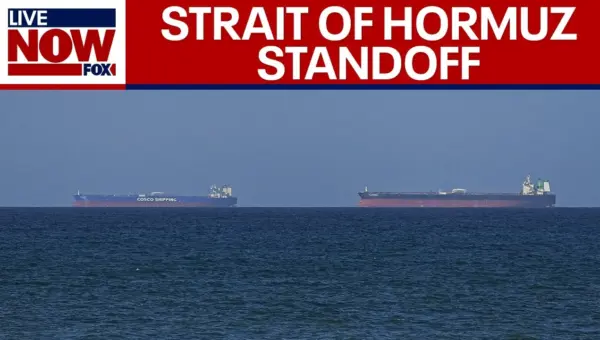
Iran has reimposed restrictions on the Strait of Hormuz, reversing a previous decision to reopen it. This move, linked to U.S. blockades, creates confusion over global energy supplies and impacts international trade. The situation highlights Iran's control over vital shipping lanes and potential shifts in global financial power.