Iran Reopens Strait of Hormuz, Then Closes It Again
Iran has reimposed restrictions on the Strait of Hormuz, reversing a previous decision to reopen it. This move, linked to U.S. blockades, creates confusion over global energy supplies and impacts international trade. The situation highlights Iran's control over vital shipping lanes and potential shifts in global financial power.

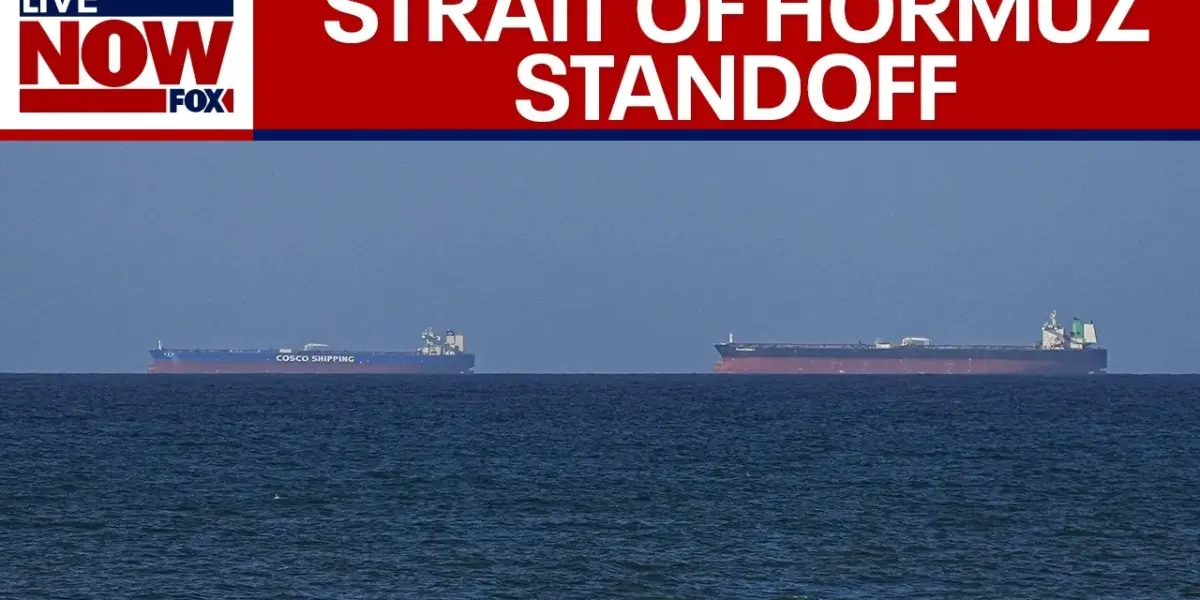
Iran has once again reversed its decision on reopening the vital Strait of Hormuz, creating confusion and concern about global energy supplies. Just a day after President Trump announced the strait was open for passage, Iran has reimposed restrictions. The move follows Iran’s claim that the previous reopening violated a ceasefire agreement with the United States.
Conflicting Statements Emerge
The situation became unclear when two prominent figures made contrasting statements. Iran’s Foreign Minister announced that the Strait of Hormuz was fully open.
However, President Trump also stated the strait was ready for business, but with a crucial condition. He mentioned passage was open on a coordinated route previously announced by Iran’s maritime organization.
This condition meant commercial ships could pass, but military vessels could not. The ships were required to use a specific lane that followed Iran’s territorial waters. This arrangement was directly linked to the ongoing ceasefire between Iran and the U.S.
Iran Cites Blockade as Reason
Iran’s own stated reason for reimposing restrictions this morning is the U.S. blockade on Iranian ships and ports. The Islamic Revolutionary Guard Corps (IRGC) Navy stated that the strait would remain under strict control as long as Iranian vessels cannot move freely. This action directly ties the strait’s openness to the continuation of the U.S. blockade.
This sequence of events suggests a possible internal division within the Iranian regime. It could reflect a split between diplomatic efforts and military actions, or it might be a deliberate strategy to pressure the U.S. The ball is now back in Washington’s court, with Tehran directly linking the strait to the blockade.
A New Strategy: The Energy Chokehold
What is emerging is a new strategy by Iran: controlling global energy access. Iran is signaling its ability to influence the world’s access to oil and other commodities. They can seemingly turn this access on and off like a dial whenever they choose.
This isn’t just about oil; it affects a wide range of critical supplies. About 20% of the world’s oil passes through the Strait of Hormuz.
When it closes, prices tend to spike, and when it reopens, they usually drop. This was observed just yesterday.
Beyond Oil: Global Economic Impact
The strait also handles 20% of the world’s liquefied natural gas. This includes vital materials for semiconductor production, such as helium and aluminum. When shipments are rerouted around the Cape of Good Hope, costs increase significantly.
This increase cascades into the prices of everyday items, from phones to cars. It also impacts the food system due to disruptions in fertilizer distribution. The cost of nitrogen, essential for crop production, has risen sharply.
Insurance Risks and Taxpayer Exposure
When the Strait of Hormuz faces closure, war risk insurance premiums skyrocket. Yesterday, premiums increased 60-fold. The U.S. International Development Finance Corporation now provides coverage, potentially exposing American taxpayers to billions of dollars.
If an Iranian missile damages a commercial tanker, U.S. taxpayers could pay the claim. While a single incident might cost several hundred million dollars, widespread damage could lead to billions in exposure. This risk is now directly linked to potential U.S. taxpayer funds.
The ‘Petro-Yuan’ Effect
Beyond the immediate economic impact, Iran is effectively charging a toll for passage through the strait. This toll increases the cost of commodities and oil for everyone. However, a more significant development is how this toll is paid.
The toll is not being paid in U.S. dollars; recent payments have been made in Chinese Yuan. Analysts are referring to this as the ‘petro-yuan’ system. This suggests the formation of an alternative financial system that bypasses the U.S. dollar, impacting global financial dynamics.
What to Watch Next
The situation is likely to remain volatile for some time. Iran has shown no readiness to yield to U.S. demands. A planned meeting for next week is reportedly not fully agreed upon, pending baseline parameters.
Key developments to monitor in the coming days include: 1. Whether Iran escalates from firing on ships to seizing one. 2. If insurance markets completely withdraw Gulf War risk coverage, halting commerce. 3.
Whether Pakistan can successfully mediate between Washington and Tehran. 4. If Iran formalizes its transit toll, potentially reshaping maritime law.
The response from other nations is also significant. NATO allies are meeting next week, indicating a growing global architecture forming independently of U.S. involvement. Pakistan is now a crucial mediator in this complex issue.
The U.S. administration risks being perceived as a catalyst for escalation rather than a mediator. If current trends continue, a significant escalation involving multiple nations with ships and personnel in the region is possible.
The impact on Americans will not be immediate but will be felt in the coming weeks and months. Stock market reactions are often based on hope, but oil prices reflect reality. Rising oil prices will inevitably lead to higher costs for groceries, agricultural products, and other goods due to increased production expenses.
Source: Iranian gunboats fire on tanker in Hormuz (YouTube)

Related Articles


US Actions Spark Global Despair, Undermining World Order
US foreign policy is causing global suffering and undermining international stability, according to a critical analysis. The article argues that Americans are detached from the real-world consequences of their government's actions, which include economic devastation and potential famine for millions worldwide. This approach is eroding global trust and questioning the future of the 'American experiment'.
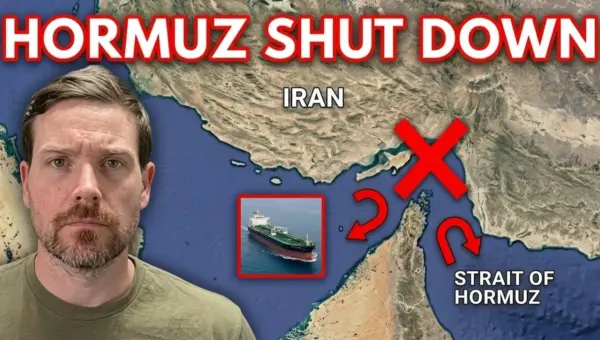
Iran Reclaims Hormuz; US Claims Unravel
US claims of a resolved conflict with Iran and an open Strait of Hormuz are being challenged by Iranian military actions and statements. Discrepancies in official narratives, concerns about market manipulation, and confusing sanction policies raise serious questions about US strategy and communication.


US Declared Iran Victory Too Soon, Congress Lacks Oversight
Congressman George Latimer argues the Trump administration declared victory over Iran too soon, highlighting the limits of military action and the need for strategic planning. He also criticizes the lack of Congressional oversight and the President's public negotiation style. This situation underscores the importance of balanced foreign policy.