US Sends Troops as Iran Conflict Escalates Dramatically
Thousands of US troops are heading to the Middle East as tensions with Iran escalate, despite White House claims the conflict is near its end. Reports reveal dire conditions for deployed soldiers, while economic and legal questions surround the ongoing military actions. This surge in forces and the naval blockade signal a critical juncture in US-Iran relations.

US Sends Troops as Iran Conflict Escalates Dramatically
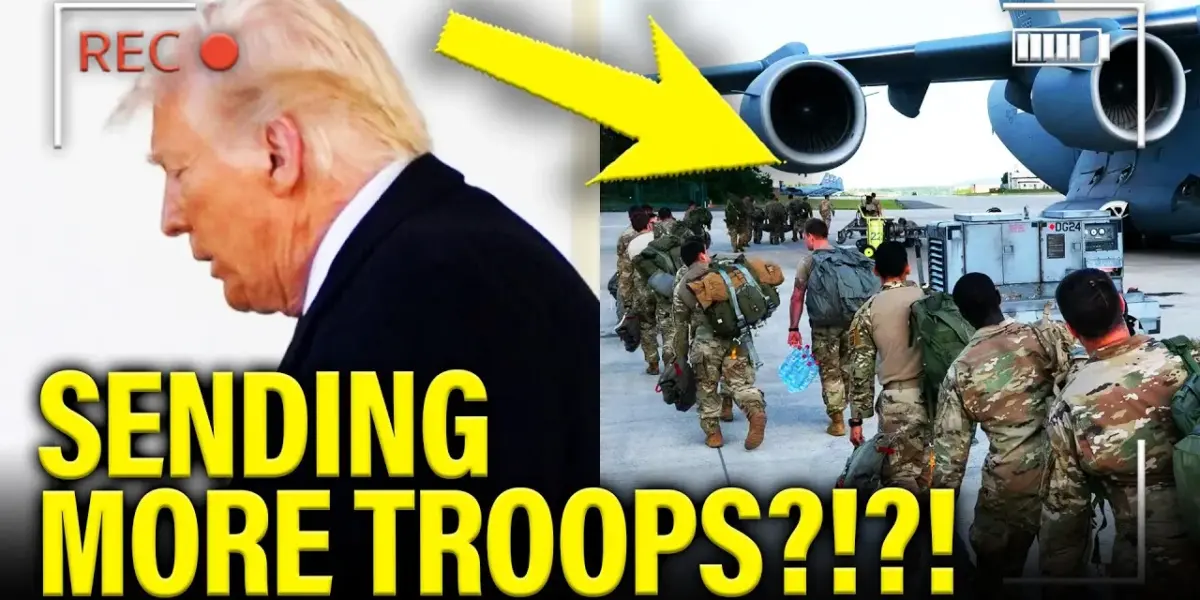
Thousands of US troops are heading to the Middle East as tensions with Iran reach a boiling point. This move comes as the US Navy has announced a formal blockade of Iran’s coastal areas, threatening force if it is not obeyed. The situation is becoming increasingly tense, with an Iranian ship recently trying to evade US forces.
This escalation is happening despite White House statements suggesting the conflict could end soon. Reports indicate that over 10,000 US troops are currently en route, adding to the estimated 50,000 already deployed in connection with the Iran conflict. This build-up includes additional resources like an aircraft carrier and its strike group, sending mixed signals about the administration’s true intentions.
Conflicting Messages and Ground Realities
There appears to be a growing gap between what President Trump says about the Iran war and the actions being taken. While he has repeatedly claimed the war is nearing its end, the US is actually increasing its military presence. This expansion, rather than a winding down of operations, suggests a different path is being followed.
This surge in troops and resources contradicts the message of de-escalation. Some analysts suggest this is a strategy to pressure Iran into serious negotiations. However, the reality on the ground points to an expanding military engagement, not a withdrawal.
Troop Conditions and Domestic Concerns
Meanwhile, reports paint a grim picture of the conditions faced by US troops deployed in the region. Many are experiencing scarce food supplies, forcing them to ration meals and endure prolonged hunger. Family members have tried to help by sending care packages, but US Postal Service deliveries have been suspended, leaving these vital supplies stranded.
Images from naval vessels show meager meal portions, with trays appearing half-empty and lacking in essential nutrients. This lack of adequate food and care for service members is a serious concern, especially as the conflict drags on. The Pentagon’s decision to continue sending more personnel to the Middle East, despite these dire conditions, raises questions about priorities.
Economic and Political Ramifications
The ongoing conflict and blockade have significant economic implications. Economists warn that the blockade could eventually hurt not only the US economy but also those of its allies, who are reportedly unhappy with the situation. Concerns are also being raised about the cost of these military actions, especially when compared to pressing domestic needs like healthcare and childcare.
The contradiction between spending heavily on overseas conflicts and addressing the needs of American citizens is a point of contention. Some believe this disconnect will be used in upcoming political campaigns. The financial strain of these prolonged engagements could impact future government spending and priorities.
Questions of Strategy and Legality
The strategy behind the current actions is being questioned, particularly as US troops are being moved into potentially unsafe areas. One soldier described being ordered into a location that was a known drone target, despite intelligence suggesting the risk. This led to an attack that killed six American soldiers and injured dozens more.
Military and legal scholars are also raising concerns about potential war crimes, specifically regarding the bombing of Iran’s infrastructure. The Department of Justice is reportedly providing counsel to the White House and other departments involved in these matters. The lack of clear defensive fortifications against drone attacks at military posts has also been highlighted.
Historical Context and Future Outlook
This situation echoes a broader pattern seen in recent conflicts where the administration declares victory, escalates operations, and then shifts its messaging. This cycle of escalation and declaration of success, without a clear resolution, is a concerning trend.
The current deployment of thousands of troops and the blockade of Iran’s coast mark a significant escalation. The administration’s conflicting messages about ending the war while simultaneously increasing troop presence create uncertainty. The coming days will be critical in determining whether diplomatic off-ramps can be found or if the conflict will deepen further.
Why This Matters
The deployment of thousands more troops and the naval blockade signal a serious escalation in US-Iran tensions. This not only puts American service members at greater risk but also has far-reaching economic and geopolitical consequences. The stark contrast between the administration’s optimistic statements and the grim realities faced by troops on the ground, coupled with domestic needs, raises critical questions about national priorities and the true cost of prolonged conflict.
Source: Trump DEPLOYS THOUSANDS more Soldiers as WAR BACKFIRES (YouTube)

Related Articles
Iran Re-Imposes Strait of Hormuz Blockade Amid Tensions
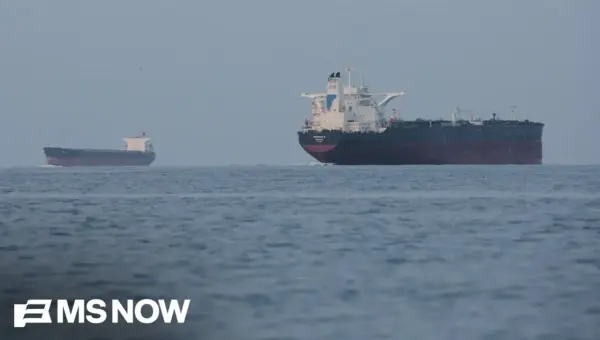
Iran has reimposed restrictions on the Strait of Hormuz, citing the ongoing U.S. naval blockade. This reversal follows brief declarations of openness and comes amid multiple attacks on vessels in the waterway. The chaotic situation threatens fragile ceasefires and complicates ongoing diplomatic negotiations.

Trump’s Threats: Iran Deal Deadline Looms
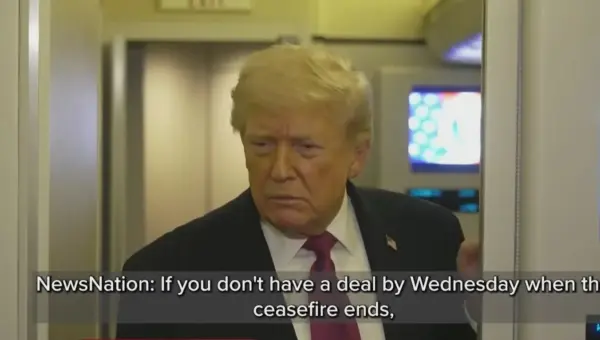
As a critical ceasefire deadline looms, President Trump has issued stark warnings to Iran about potential military action if a nuclear deal isn't reached. The U.S. maintains a naval blockade, while diplomatic efforts continue amidst fragile regional stability. The outcome in the coming days will significantly impact Middle Eastern security.


Israel’s North: Ceasefire Hopes Meet Deep Skepticism
Residents in northern Israel are reacting to the recent ceasefire with a mix of hope and deep skepticism. Many feel disappointed, believing the truce might only be a temporary pause in the conflict. There are strong calls for Israel to act from a position of strength, not weakness, to ensure lasting security.