Iran Reverses Strait of Hormuz Reopening, Cites US Blockade
Iran announced it is reimposing restrictions on the Strait of Hormuz, reversing a recent decision to reopen the waterway. This move comes after the US maintained its blockade, citing the need for a new deal with Iran. Reports also emerged of Iranian gunboats firing on a tanker transiting the vital shipping lane.

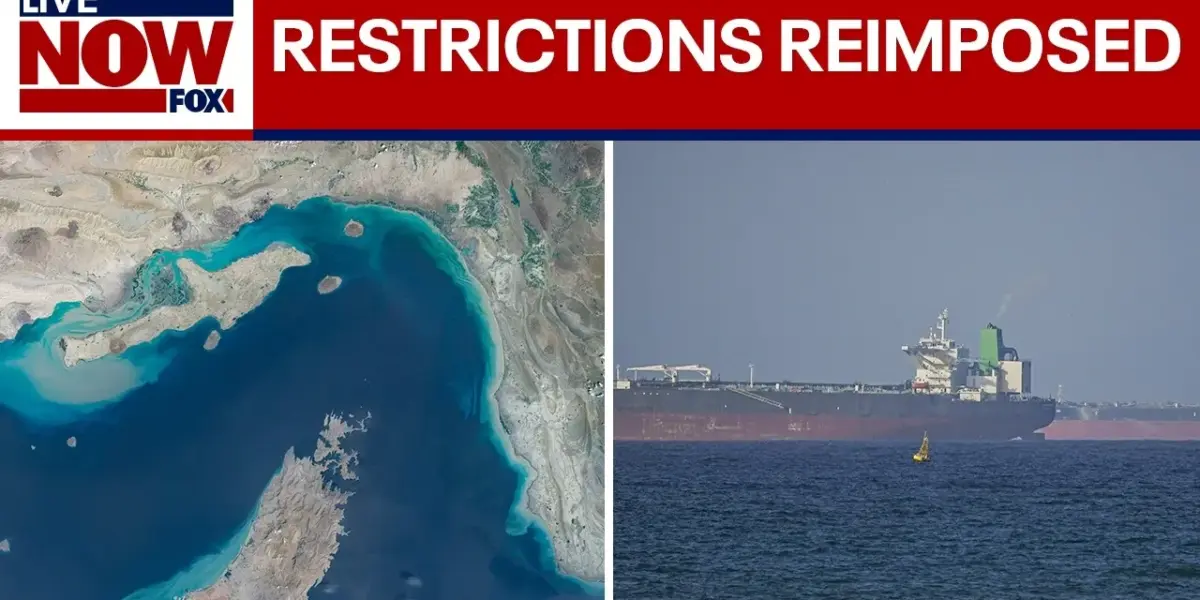
Iran Reinstates Strait of Hormuz Restrictions
Iran announced today it is reimposing restrictions on the Strait of Hormuz, reversing a previous decision to reopen the vital waterway. This move comes after President Trump stated the blockade would remain in place until a deal is reached with Iran. The announcement was made by Iran’s joint military command, which declared that control of the strait has returned to its previous state under the strict management of the armed forces.
The Iranian military command added that the restrictions will not be lifted as long as the United States continues to block Iranian ports. This decision directly follows President Trump’s assertion that the blockade would stay in effect. The situation highlights the ongoing tensions and strategic importance of the Strait of Hormuz, a critical chokepoint for global oil shipments.
Incident Involving Tanker Reported
Adding to the rising tensions, reports indicate that Iranian gunboats fired on a tanker attempting to pass through the Strait of Hormuz. The British military’s United Kingdom Maritime Trade Operations Center confirmed the incident. The center stated that the tanker and its crew are safe, though the specific vessel and its destination were not identified.
Tankertrackers.com reported that several vessels were forced to turn around within the strait. This included an Indian-flagged super tanker that was fired upon by Iran. These events highlight the volatile nature of maritime traffic in the region and the potential risks faced by commercial shipping.
Context of the Strait of Hormuz
The Strait of Hormuz is a narrow waterway connecting the Persian Gulf to the Gulf of Oman. It is one of the world’s most important oil transit points, with a significant portion of global oil production passing through it daily. Any disruption to traffic in this strait can have immediate and far-reaching effects on global energy markets.
Earlier this week, President Trump had stated there would be no tolls imposed on ships passing through the strait. This statement came shortly after Iran had announced the full reopening of the Strait of Hormuz to commercial vessels. However, these developments have now been overshadowed by Iran’s decision to reimpose restrictions and the reported firing incident.
US Stance and Future Negotiations
President Trump’s administration has maintained a firm stance regarding the blockade on Iranian ships and ports. This blockade is set to continue until Iran reaches a new agreement with the United States, which is expected to include terms related to its nuclear program. The US position emphasizes the need for a comprehensive deal to de-escalate regional tensions.
President Trump was scheduled to sign an executive order today and was expected to address media questions concerning the latest developments. The administration’s approach aims to pressure Iran into negotiations by limiting its economic activities and its ability to export oil. The reimposition of restrictions by Iran signals a significant challenge to this strategy.
Looking Ahead
The coming days will be crucial in determining the immediate future of maritime traffic through the Strait of Hormuz. Observers will be closely watching for any further incidents, official statements from both Iran and the United States, and potential diplomatic responses from international powers. The ongoing standoff highlights the delicate balance of power in the Middle East and its impact on global energy security.
Source: Iran reimposes restrictions on Strait of Hormuz (YouTube)

Related Articles
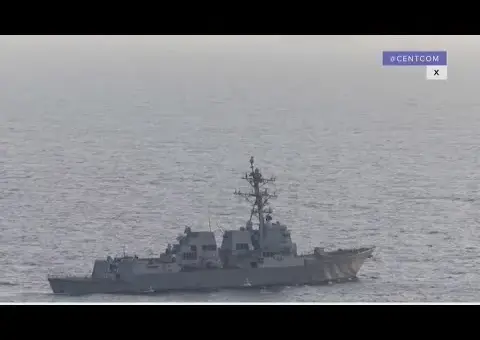
Strait of Hormuz Tensions Rise Amid Fragile Cease-Fire
Iran has reimposed restrictions on the Strait of Hormuz as a cease-fire between Israel and Lebanon nears its expiration. This move adds complexity to ongoing U.S.-Iran negotiations, with conflicting reports on potential nuclear program agreements. The situation highlights the region's delicate balance and potential for economic disruption.


Iran’s Brutal Regime Faces Global Scrutiny Amid Ceasefire Hopes
Reports detail Iran's brutal crackdown on protesters, with executions looming, while a potential ceasefire between Israel and Lebanon offers a path to regional stability. Domestically, concerns over massive fraud schemes and calls for accountability are intensifying, with questions raised about transparency and the role of investigative journalism.

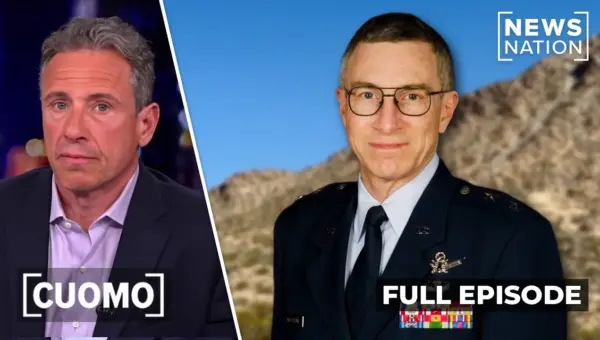
Congress Faces Reckoning: Millions Paid in Secret Harassment Settlements
Millions in taxpayer funds were allegedly used to silence victims of sexual misconduct in Congress, sparking investigations and calls for transparency. Meanwhile, mysterious disappearances of UFO-linked scientists raise national security concerns, and diplomatic efforts continue amidst a blockade of Iran.