Japan Boosts Defense, Signaling Shift From Pacifist Past
Japan is significantly increasing its defense spending, a move signaling a potential shift away from its post-World War II pacifist identity. Driven by regional tensions, particularly concerning China and Taiwan, the nation is bolstering its military capabilities. This strategic reorientation reflects a changing global order and Japan's efforts to ensure its security.

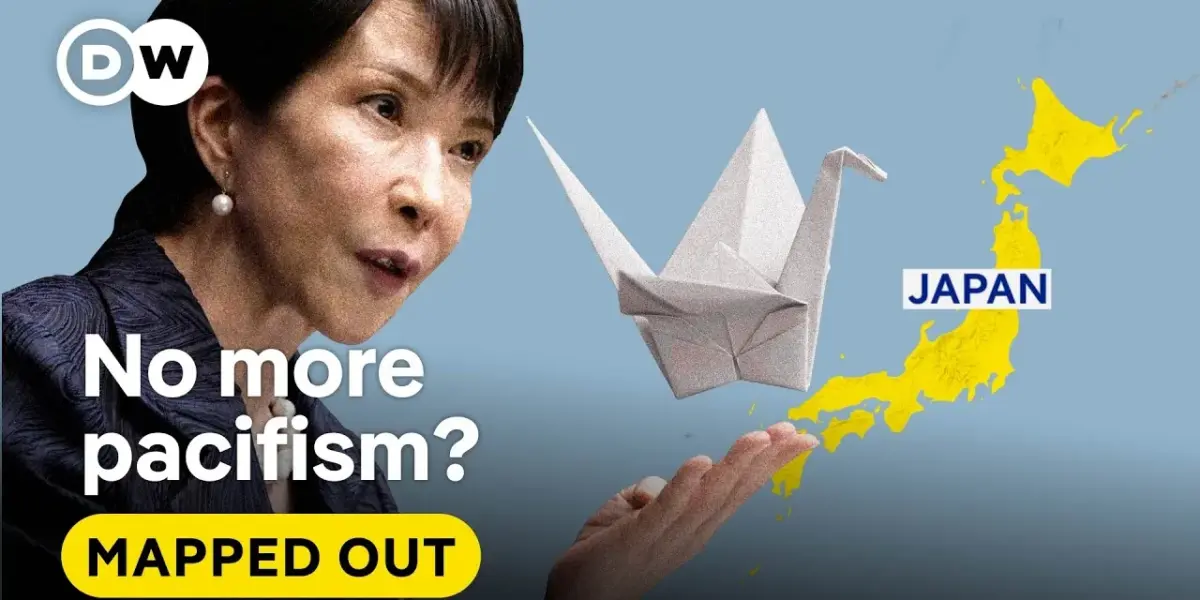
Japan Reimagines Defense Strategy
For 80 years, pacifism has been a cornerstone of Japan’s national identity, written into its constitution after World War II. This commitment meant renouncing militarism and war.
However, a changing global order and rising regional tensions are prompting Japan to reconsider its defense posture. The nation is now significantly increasing its military spending and capabilities, signaling a potential departure from its long-held pacifist tradition.
New Front Lines: Yonaguni and Taiwan Strait
The island of Yonaguni, known for its natural beauty, is becoming a strategic military outpost. This island, part of an archipelago stretching towards Japan’s main islands, is now home to air defense missiles and radar systems.
Its location, just 110 kilometers from Taiwan and bordering the East China Sea and the Pacific Ocean, makes it a critical point in a contested region. China’s claims over Taiwan and its military drills nearby raise concerns for Japan’s security.
Japan’s first female prime minister, Sai Takayichi, has taken a notably strong stance on the Taiwan issue. She stated that a Chinese attack on Taiwan could threaten Japan’s survival, implying a potential Japanese military response. This firm position resonated with voters, contributing to her party’s landslide election victory.
Doubling Defense Spending: A Major Signal
Japan is set to double its defense spending to 2% of its Gross Domestic Product (GDP). Given Japan’s large economy, this increase would make it the third-largest defense spender globally. This significant investment signals Japan’s commitment to strengthening its military power.
“It wants to make sure that it’s sending a signal to its neighbors that they should be prepared for a Japanese response if there is aggression against Japan,” explains Sheila Smith, an expert on Japanese foreign policy.
This shift is significant given Japan’s history. After World War II, the country embraced pacifism, a stark contrast to its imperial past and involvement in the war.
Article 9 of its constitution renounces war, though it allows for self-defense. This has led to a unique security system, balancing pacifist ideals with a strong alliance with the United States.
Historical Context: The Weight of the Past
Japan’s wartime actions, including its alliance with Nazi Germany and the surprise attack on Pearl Harbor, left deep scars. The devastating use of nuclear weapons on Hiroshima and Nagasaki also shaped the nation’s postwar identity. Coming out of the war, Japan sought peace and rebuilt itself as a pacifist nation.
The United States played a key role in Japan’s post-war demilitarization and the inclusion of Article 9. For decades, Japan has relied on a US security guarantee, hosting numerous US military bases. This arrangement created a dynamic tension between its pacifist constitution and its alliance with America.
Shifting Public Opinion and Regional Threats
While past attempts to revise defense policy, like those under former Prime Minister Shinzo Abe, faced public protests, recent polling suggests a change in public mood. This growing acceptance makes it easier to pursue a more assertive security agenda.
Regional instability is a major driver for this change. Tensions with China over disputed islands in the East China Sea have escalated.
The proximity of Taiwan to Japan means that any conflict there could directly impact Japanese citizens and territory. North Korea’s nuclear missile tests and Russia’s actions in Ukraine add to the sense of a dangerous neighborhood.
The US Alliance and Evolving Strategy
Japan’s security has long depended on its alliance with the United States. US bases in Japan are part of a broader strategy to contain China. However, uncertainty about US commitment, particularly under former President Donald Trump, has prompted Japan to seek greater self-reliance.
Prime Minister Takayichi has actively sought to strengthen ties with the US, making significant trade and investment pledges. This approach aims to ensure a stable relationship and address concerns about trade tariffs. However, the reliability of the US as a partner remains a question for some, especially given past rhetoric questioning long-standing alliances.
Rebuilding Ties and Looking Ahead
Japan is also working to improve relations with its neighbors. It has increased security cooperation with South Korea, despite historical grievances stemming from Japan’s colonial past. Japan has also sent troops to participate in joint military exercises in the Philippines, marking the first time since World War II.
While Japan is increasing its military capabilities, diplomacy and alliances remain its primary tools. The nation faces the challenge of balancing its pacifist identity with the need for security in a complex geopolitical environment. Japan’s next steps in strengthening its defense and navigating regional challenges will be closely watched.
Source: Is Japan quitting its pacifist past? | Mapped Out (YouTube)

Related Articles
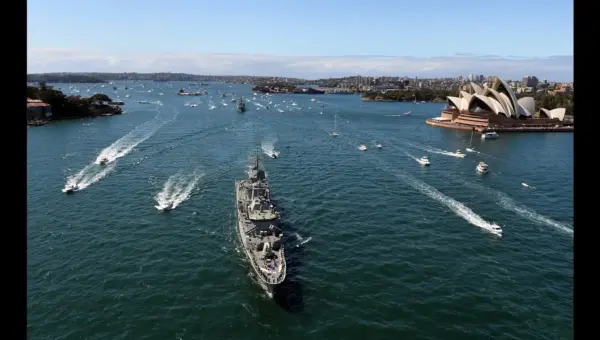
Japan Ships Warship Through Taiwan Strait, Eyes Global Arms Market
Japan is taking a more assertive defense role, relaxing weapons export rules and sending a warship through the Taiwan Strait. This marks a significant shift from its post-WWII pacifist stance and could reshape regional security dynamics, especially with potential deals like the one with Australia.
Iran War Strains US Power, Bolsters China’s Global Ambitions
The ongoing conflict with Iran has significantly weakened the United States' global standing and depleted its military resources. This has created an opening for China to expand its influence, potentially impacting the future of Taiwan. Analysts suggest the war may be a pivotal moment, marking a potential decline in American power.

Trump and Pope Clash: Two Sides of Global Danger
Bill O'Reilly argues that both Pope Francis and President Trump are correct in their differing views on global threats. The Pope promotes pacifism for a better world, while Trump highlights present dangers requiring American power to confront them. This discussion unpacks the tension between idealistic peace and assertive action in international affairs.