Pentagon Ignores Congress on UAP Videos, Scientists Vanish
The Pentagon has failed to meet a congressional deadline for releasing UAP videos, sparking accusations of defiance and a "grave constitutional crisis." Meanwhile, unsettling disappearances of scientists and military personnel with sensitive knowledge raise further concerns about transparency and potential cover-ups.


Pentagon Defies Congress on UAP Videos, Fuels Transparency Doubts
A deadline passed on April 14th, yet the Pentagon has failed to release classified UAP (Unidentified Aerial Phenomena) videos requested by Congress. Representative Anna Paulina Luna had demanded 46 videos, but the Pentagon did not comply. This lack of action has led to accusations of deliberate obstruction and contempt for congressional oversight.
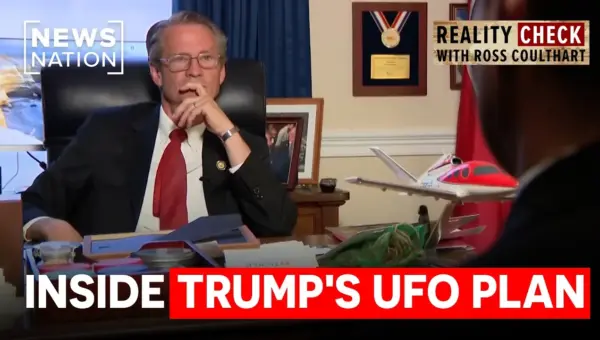
Investigative journalist Ross Coulthart expresses deep frustration, calling the Pentagon’s behavior “unconscionable.” He criticizes the department for treating Congress with “contempt” on the UAP issue. Coulthart suggests that the Pentagon may be offering briefings about the videos instead of releasing the footage itself, a move he deems insufficient.
Congress Urged to Show More Backbone
Coulthart questions when Congress will use its subpoena powers to enforce transparency. He notes that only a few members, like Representatives Luna, Tim Burchett, and Rep. Moskowitz, seem to take the UAP issue seriously. This lack of broad bipartisan support creates what he calls a “grave constitutional crisis” when the Defense Department ignores legislative demands.
To help push for transparency, Coulthart suggests the President should issue an executive order formalizing his public pledge for more openness on UAP information. He dismisses the idea that the Pentagon’s UAP investigation office, AARO, can be trusted to manage disclosure, likening it to putting “the fox in charge of the hen house.”
Concerns Mount Over Missing Scientists
The discussion also turned to the unsettling disappearances of individuals connected to sensitive scientific and military work. The case of Major General William Neil McCaslin, missing since February 27th, highlights these concerns. Coulthart disputes reports that McCaslin left his home voluntarily, pointing out the odd detail of his leaving his essential glasses behind.
He argues that the possibility of foul play, including abduction, cannot be ruled out. Coulthart finds it “perplexing” that local authorities and the FBI are reportedly not seriously considering this angle. The disappearance of a Major General with classified knowledge is seen as a high-priority issue, yet it has not been resolved after many weeks.
Aerospace Scientist’s Mysterious End
Another case mentioned is that of Monica Raza, an aerospace rocket scientist who worked at Air Force research labs. She was the inventor of a crucial rocket motor alloy called Mandaloy, which was vital for American space launches. Coulthart dismisses the idea that Raza was killed by a mountain lion, noting the lack of evidence and the rarity of such attacks in the area.
He finds the rapid nature of her disappearance and the lack of any reported scream from her hiking companions suspicious. Coulthart also touches upon other cases, like those of Melissa Casias and Anthony Chavez, who disappeared after leaving personal items behind and had ties to Los Alamos National Laboratory. While direct links to McCaslin are speculative, the circumstances raise questions about a pattern of unusual disappearances.
The Puzzle of Crashed vs. Gifted Craft
Addressing the common notion of UAP “crashes,” Coulthart offers a different perspective based on anecdotal evidence. He shares a story, reportedly told by Edgar Mitchell, about a fully operational craft found in Mexico that seemed to be a “gift” rather than a crash.
This suggests that not all UAP incidents involve accidents. Coulthart also raises the possibility of rival non-human intelligence groups being involved in events like the Roswell incident, where two craft might have collided. He also mentions claims that the US military, working with contractors like Northrop Grumman and Lockheed Martin, may use electromagnetic pulse weapons to disrupt craft that have been “psionically invited” or summoned.
Limited Disclosure and Congressional Inertia
Coulthart confirms a story about the Trump administration potentially creating a commemorative coin related to UAP disclosure. While this suggests some movement, he doubts it signals a full disclosure of the “legacy UAP program.” He believes the Pentagon’s involvement in disclosure decisions is problematic due to its alleged 80-year cover-up.
Regarding new public hearings, Coulthart sees little immediate prospect. He notes that most recent UAP discussions in Congress happen in secure “skiff” meetings. Representative Tim Burchett has described classified briefings he received as “hair-curling” and potentially disruptive if made public, highlighting the sensitive nature of the information and the risks involved in its disclosure.
Why This Matters
The ongoing struggle for UAP transparency highlights a significant tension between government secrecy and public right to know. The Pentagon’s continued resistance to congressional oversight on UAP videos, coupled with unexplained disappearances of individuals with sensitive knowledge, fuels public distrust. These events suggest that powerful entities may be actively working to control the narrative and withhold crucial information.
The lack of progress in declassifying UAP information and the slow pace of official investigations into missing persons with potential ties to national security raise important questions about accountability and the government’s commitment to openness. The public deserves clear answers, not continued obfuscation or speculation.
Future Outlook
Coulthart’s analysis points to a continued battle for disclosure. He urges the public to contact their representatives and demand action, emphasizing the need for Congress to show “spine” and utilize its powers, such as issuing subpoenas. The future of UAP transparency likely depends on sustained public pressure and the willingness of a few key congressional figures to challenge the status quo.
The effectiveness of potential whistleblower protections and the role of proposed review panels for declassifying records remain uncertain. Without a strong presidential directive or a more unified congressional front, the Pentagon’s resistance may continue, leaving many questions about UAP and related disappearances unanswered.
Source: Ross Coulthart Q&A: Disclosure deadlines and missing scientists | Reality Check (YouTube)

Related Articles


Defense Secretary Mocks World for Fake Bible Quote
America's Secretary of Defense, Pete Hegseth, has become a global laughingstock after quoting a fake Bible verse from the movie Pulp Fiction at a Pentagon prayer service. The Pentagon confirmed the quote's origin, sparking widespread ridicule from international media, late-night hosts, and political figures. Critics point to the incident as evidence of hypocrisy and recklessness, potentially endangering troops and undermining U.S. foreign policy efforts.

Congressman Claims UFO Truth Will Shock Americans
Congressman Tim Burchett claims to have seen evidence that would shock Americans regarding UFOs. He is frustrated by government secrecy and believes former President Trump might be key to disclosure. The congressman shared his experiences after attending classified briefings, highlighting pilot testimonies and advanced technologies.


Auto Giants Answer War’s Call: A New Industrial Era?
America's auto giants are reportedly being asked by the Pentagon to help speed up weapons production. This move, reminiscent of World War II efforts, aims to boost the supply of critical parts and strengthen national security. The strategy involves integrating commercial manufacturing to fill gaps and ensure readiness in a complex global landscape.