World Cup Faces Collapse Amidst US Travel Woes
The 2026 FIFA World Cup, co-hosted by the U.S., faces significant challenges. Hotels are slashing prices due to low bookings, and travel costs have skyrocketed. Concerns over U.S. travel policies and global tensions are creating a perception of the U.S. as unwelcoming, potentially leading to a disappointing turnout for the event.


World Cup Faces Collapse Amidst US Travel Woes
The United States is set to co-host the 2026 FIFA World Cup alongside Mexico and Canada. However, instead of widespread excitement, a growing sentiment of hesitation and fear is taking hold. Hotels, fans, and the global market are all expressing concern about the event’s impact.
Recent reports from credible sources like The Guardian and Reuters highlight a troubling trend: hotels are slashing room rates, not due to high demand, but due to a lack thereof. The U.S. hotel industry is beginning to worry that the significant economic boost expected from the World Cup might not materialize. This concern stems from ongoing economic uncertainty, global political tensions, and a perceived drop in international visitors, sometimes referred to as a “Trump slump.” This situation directly contradicts earlier FIFA projections of a massive economic injection and job creation, which assumed millions of international tourists would flock to the tournament.
Uncertainty Over Fan Attendance
A key reason for this apprehension is the uncertainty surrounding international fan attendance. While FIFA President Gianni Infantino has claimed World Cup tickets are selling out quickly, some U.S. fans have received emails offering limited windows to purchase tickets. This raises questions about the actual demand and accessibility of the event.
Questions linger about whether tourism-dampening policies from past administrations, such as high visa fees and proposed social media history requirements for travelers, might continue. Such policies could further discourage international visitors from coming to the United States for the event.
Rising Costs and Travel Barriers
The cost of attending the World Cup is becoming a significant barrier. For example, roundtrip train tickets in New Jersey, where the final will be held, have surged to $150, a dramatic increase from the usual $12.90. This price hike is seen by many as restrictive and excessive.
The New Jersey Transit faces a substantial bill of $48 million to provide transportation for fans, as FIFA is reportedly contributing nothing towards these costs. Governor Phil Murphy has stated that New Jersey commuters should not bear this burden, especially with FIFA profiting billions from the World Cup and charging exorbitant prices for tickets.
Hotel Prices Skyrocket
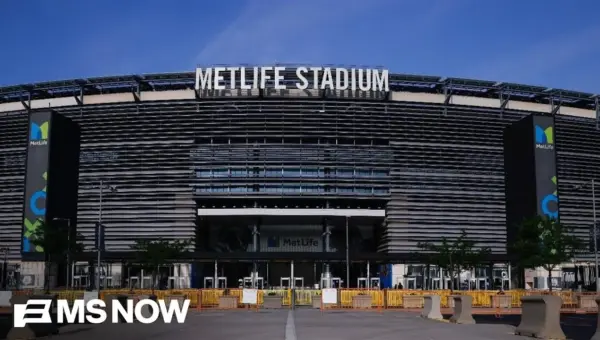
Hotels near the venues are also experiencing extreme price increases. In towns close to MetLife Stadium, room rates are ranging from $370 to an astonishing $8,500 per night. Even a modest motel like the Red Roof Inn, which normally charges around $173 per night, is asking $410 for World Cup weekends.
This price gouging has drawn criticism, with some lawmakers echoing concerns. FIFA, however, expressed surprise at the price hikes and stated they have worked with host cities on transportation plans, including advocating for federal funding. The organization claims it has been working for years on mobility plans with host cities.
Broader Implications for US Reputation
The challenges facing the World Cup in the U.S. reflect broader issues affecting the country’s international image. Factors contributing to hesitation among potential tourists, such as economic uncertainty and geopolitical tensions, are also influencing global markets and relationships with allies.
Analysts suggest that anti-American sentiment has been exacerbated by recent conflicts, making the U.S. appear less welcoming, stable, and easy to travel to. The World Cup, as a highly visible global event, is therefore at risk of becoming an “epic failure” in the United States, exposing damage to the country’s reputation.
Historical Context and Future Outlook
The current situation echoes past instances where U.S. foreign policy and domestic actions have impacted international perception. The narrative around the World Cup’s potential success is intertwined with broader discussions about the U.S.’s role in global affairs and its attractiveness as a tourist destination.
FIFA may even request the U.S. to pause immigration and customs enforcement raids during the tournament. This highlights the delicate balance between national security measures and the need to present a welcoming face to international visitors. The success of the World Cup, therefore, hinges not just on logistics and pricing, but on the perception of the U.S. as a stable and welcoming host nation.
Why This Matters
The potential struggles of the 2026 World Cup in the U.S. are more than just an economic concern for the hotel industry. It speaks volumes about how current U.S. policies and global perceptions can impact major international events. The event’s success is tied to the image of the U.S. as a welcoming and accessible country.
If the World Cup falters due to high costs, travel barriers, and a perceived unwelcoming environment, it could serve as a stark indicator of broader challenges in international tourism and diplomacy. The economic projections for the event were substantial, and a significant shortfall would have ripple effects beyond the immediate stakeholders.
Looking Ahead
The coming months will be crucial in determining whether these concerns are addressed and if the World Cup can regain its expected momentum. The U.S. and its co-hosts, along with FIFA, face the challenge of overcoming these obstacles to ensure a successful and memorable event for fans worldwide.
The world will be watching to see if the U.S. can successfully host one of the globe’s biggest sporting events, or if current trends will lead to a disappointing outcome.
Source: 🚨 Trump term NEARS COLLAPSE as WORLD CUP Disaster HITS (YouTube)

Related Articles
World Cup Tickets Soar, Fans Face Sky-High Travel Costs
The 2026 World Cup is set to be one of the most expensive tournaments ever, with final tickets reaching nearly $11,000 and transportation costs soaring. New Jersey officials are in a dispute with FIFA over who should pay for elevated transit fares, highlighting broader concerns about the rising cost of attending major sporting events.


World Cup 2026 Ticket Prices Skyrocket, Fans Face Financial Strain
The 2026 World Cup is set to be the most expensive ever, with soaring ticket prices forcing fans to drastically alter their plans and budgets. FIFA's use of dynamic pricing, where costs fluctuate with demand, is a major driver of these increased expenses. This financial strain has led to fan discontent and even calls for boycotts, questioning the accessibility of major sporting events.


Tunisia Eyes Albania for World Cup Opener
Tunisian football fans have voiced their preference for facing Albania in their opening match of the 2026 World Cup. Supporters see Albania as the easiest opponent among the potential UEFA Path B matchups, believing it offers the best chance for an early victory.