Court Weighs Media Access Amid Bias Concerns in High-Profile Trial
A court hearing in Provo, Utah, examined the impact of pretrial publicity on juror impartiality and debated electronic media access. An expert witness testified that the case environment is highly prejudicial, posing a substantial risk to fair trial rights. The court must now balance public access with concerns that media coverage could unduly influence proceedings.

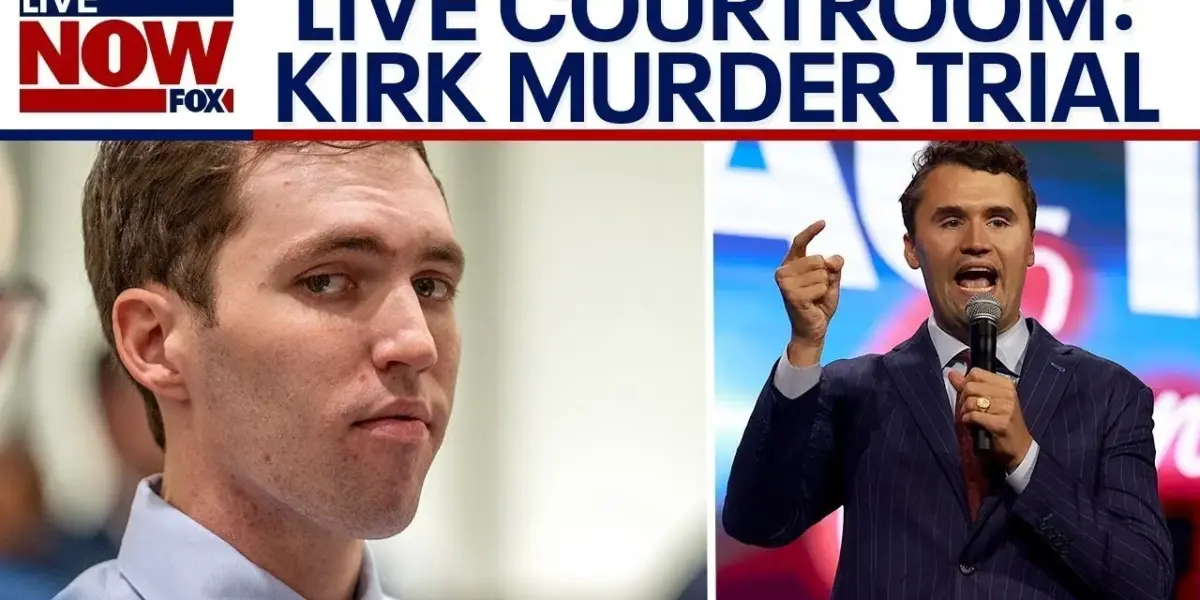
Court Grapples with Pretrial Publicity and Media Access
Provo, UT – A court hearing in Provo, Utah, focused on the complex issues of pretrial publicity and electronic media access, raising questions about juror impartiality and the fairness of the legal process in high-profile cases. The proceedings, which involved testimony from an expert witness, highlighted concerns that widespread media coverage could unduly influence potential jurors, potentially jeopardizing a defendant’s right to a fair trial.
Expert Warns of Prejudicial Pretrial Environment
Dr. Ruva, an expert witness, presented findings suggesting that the case was situated in a “highly prejudicial pre-trial environment.” This environment, she explained, presents a substantial risk to juror impartiality. Dr. Ruva’s testimony, based on a review of empirical research, defense motions, and public opinion surveys, emphasized that pretrial publicity can significantly influence how jurors perceive evidence and make decisions.
The expert detailed how pretrial publicity can lead to implicit bias, a form of unconscious prejudice. To overcome implicit bias, individuals must first be aware of it, second, be motivated to correct it, and third, understand the extent and direction of that bias. These conditions, Dr. Ruva noted, are rarely met when dealing with unconscious bias, making it difficult for jurors to disregard information they encountered before entering the courtroom.
“Each trial, witness, set of jurors, judges, attorneys are different,” Dr. Ruva stated in her declaration, as quoted in court. “And hence there is no way to conclude that cameras do or do not affect trial players’ behaviors, memory, or decision-making.” This highlights the difficulty in controlling variables within the trial process when external information has already influenced participants.
Research Converges on Pretrial Publicity’s Impact
Dr. Ruva outlined three key research methodologies used to study the effects of pretrial publicity: survey research, jury simulation research, and meta-analysis. All three areas, she testified, converge on a common finding: pretrial publicity influences jurors’ decisions. A fourth method, the “shadow jury paradigm,” also showed that exposure to pretrial information, whether in a real-world setting or experimentally, can bias jurors.
The research consistently shows that negative publicity about a defendant makes them more likely to be found guilty. Conversely, positive publicity can sway opinions in favor of the defense. Dr. Ruva stressed that prejudgment, regardless of which side it favors, is unacceptable and undermines the goal of seating impartial jurors.
“My opinion, and I think the court’s opinion, is that you don’t want that bias prior to trial,” Dr. Ruva explained. “You would like jurors to come in that really can be impartial and not have a favored side.”
Debate Over Electronic Media Access
A significant portion of the hearing centered on whether to allow electronic media coverage, such as live streaming or broadcasting, of the proceedings. The court is guided by a rule that presumes electronic media coverage should be permitted if its predominant purpose is journalism or disseminating news to the public.
Attorneys debated the interpretation of this rule. One argument suggested that the court should look at the substance of the coverage to determine if it is sensationalistic or profit-driven, rather than purely educational. This perspective raised concerns that certain media coverage, particularly when combined with commentary, could be more harmful than print media alone.
“The visual of the courtroom is much like what a juror is going to be hearing during the trial,” argued one legal representative, referencing expert testimony. “So, in that scenario, they’re much more likely to make the kind of source misattribution errors that cause jurors to have this implicit bias.” This theory suggests that visual media can create a stronger, more lasting impression that jurors might later confuse with actual trial evidence.
Balancing Fair Trial Rights with Public Access
The court acknowledged its duty to make individualized findings for each proceeding, rather than issuing a blanket order prohibiting or allowing media coverage. This means the court must consider the specific circumstances of the case and the potential impact of media presence on the fairness of the trial.
Discussions also touched upon the potential for audio coverage to be prejudicial, even if video is restricted. While some argued that audio commentary could be as damaging as video, others suggested it might be less so, as audio alone may not lend itself to the same dramatic backdrop as visual media.
The court considered arguments about whether existing case law, such as the O.J. Simpson trial, offered guidance on what constitutes sensationalism versus legitimate journalism. The discussion highlighted the ongoing challenge of balancing the public’s right to observe legal proceedings with the fundamental right of a defendant to a fair trial, free from prejudice.
Next Steps
The court will weigh the expert testimony, legal arguments, and the specific rule governing media access as it decides whether to permit or restrict electronic media coverage in ongoing and future hearings. The ultimate decision will aim to uphold the integrity of the judicial process while respecting the public’s interest in transparency.
Source: LIVE: Accused Charlie Kirk killer Tyler Robinson back in court in Provo, UT (YouTube)

Related Articles
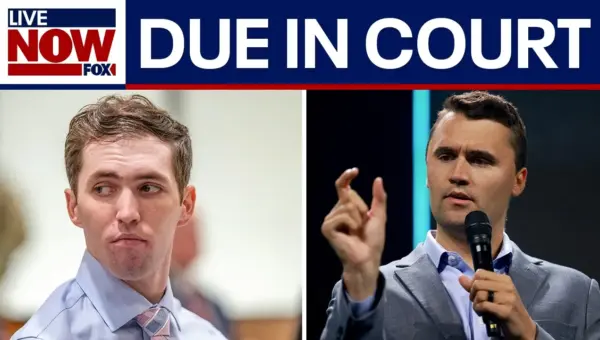
Court Weighs Cameras in Charlie Kirk Murder Case
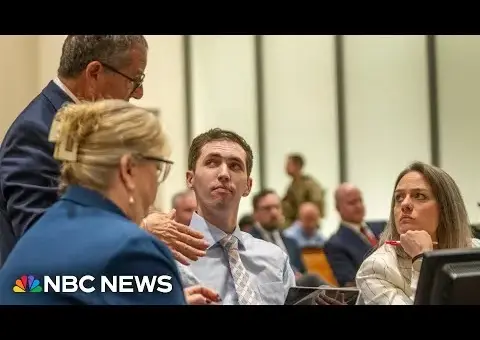
A key hearing is underway today for Tyler Robinson, accused in the murder of Charlie Kirk. The central debate in court is whether to allow news cameras, balancing public access against the defendant's right to a fair trial. Robinson's defense team, bolstered by a social psychologist, argues intense publicity makes an impartial jury impossible. The victim's widow, however, supports camera access, creating a complex decision for the judge.
Kirk Shooting Suspect’s Lawyers Question Bullet Evidence
Attorneys for Tyler Robinson, accused in the shooting of Charlie Kirk, are requesting a six-month delay in proceedings to review extensive digital evidence. The defense also highlighted an ATF report unable to link a bullet fragment from the autopsy to Robinson's alleged rifle.
Judge Delays Federal Trial for CEO’s Accused Killer
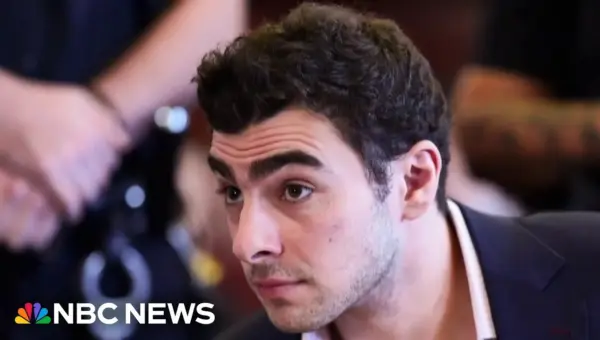
Luigi Mangione's federal trial for the killing of United Healthcare CEO Brian Thompson has been postponed to the fall. The judge granted a delay after the defense argued that overlapping state and federal court dates violated Mangione's constitutional rights. The case has drawn significant public attention due to the victim's high-profile position and public frustration with the healthcare industry.