From Enron to Netflix: The Worst Corporate Villains
A look into the most vilified corporations, from Enron's epic fraud to Netflix's controversial rise, and the tragic legacy of the Triangle Factory. These companies left indelible marks on history for all the wrong reasons.

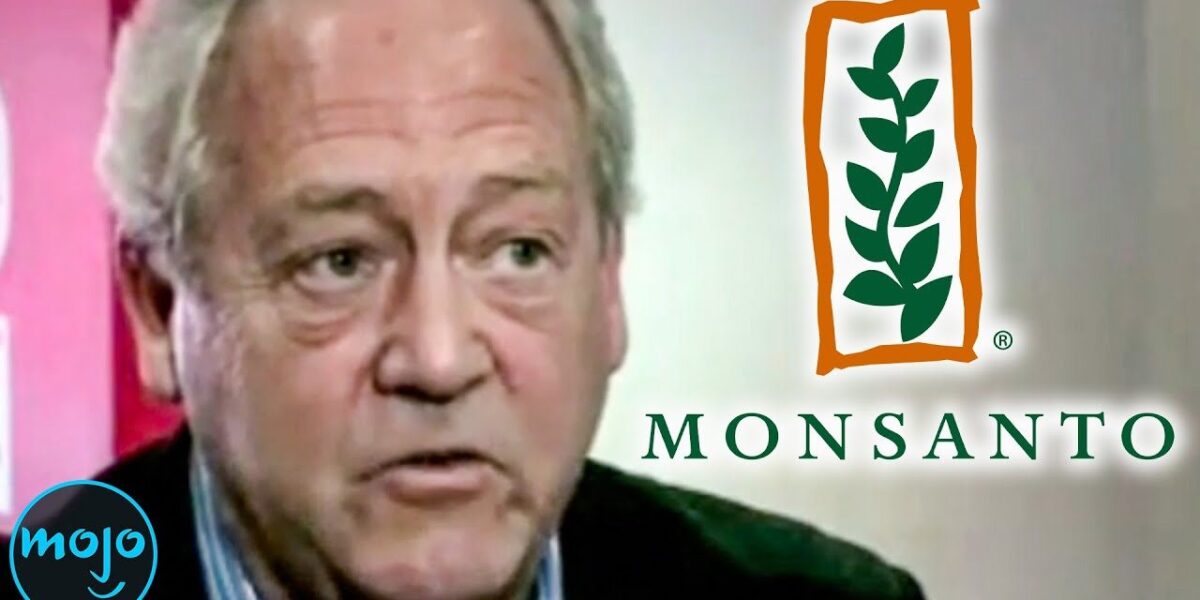
Unpacking the Most Vilified Corporations in History
In the annals of business history, some companies are remembered for innovation and success, while others are etched into public memory for their egregious actions and the lasting damage they caused. WatchMojo’s recent deep dive into the ‘Top 20 Worst Companies of All Time’ shines a harsh spotlight on these corporate pariahs, examining their vilified legacies and reputations. This isn’t just a look back at financial scandals; it’s a chronicle of shattered trust, exploited workers, and devastating consequences for consumers and society.
Enron: The Poster Child for Corporate Greed
Few names evoke the sheer scale of corporate malfeasance quite like Enron. The energy trading giant’s spectacular collapse in 2001 wasn’t just a financial meltdown; it was a betrayal of epic proportions. Thousands of employees, many of whom had their life savings invested in company stock, were left with nothing as the company’s stock price plummeted from over $90 to less than $1. The iconic images of employees leaving their downtown headquarters, some carrying boxes filled with personal belongings, huddled against the cold and an uncertain future, remain a stark reminder of the human cost of executive greed and deceptive accounting practices. Enron’s downfall led to the dissolution of Arthur Andersen, one of the ‘Big Five’ accounting firms, and spurred the creation of the Sarbanes-Oxley Act of 2002, landmark legislation aimed at protecting investors from fraudulent corporate accounting.
Netflix: The Streaming Giant’s Controversial Evolution
While today Netflix is synonymous with binge-watching and a vast library of original content, its journey has been far from smooth. The video essay recalls a bygone era of Netflix, one that delivered a quick and efficient DVD-by-mail service. For many, this was a revolutionary way to access movies, transforming entertainment consumption. However, the company’s transition to streaming, while ultimately successful, was marked by significant controversy. The infamous ‘Qwikster’ debacle in 2011, where Netflix announced a plan to split its DVD-by-mail and streaming services, with the DVD service rebranded as Qwikster, led to widespread customer backlash and a significant drop in subscribers. This period is often cited by fans with a sense of nostalgic pain, a reminder of what they perceived as a misstep by a beloved service. ‘Never forget what they took from us,’ the video ominously suggests, hinting at the loss of the simpler, more affordable DVD era for some.
Beyond the Headlines: Other Corporate Notorieties
The WatchMojo list, though not fully detailed in the provided transcript, undoubtedly touches upon a spectrum of corporate sins. One can infer that it likely includes companies involved in:
- Environmental disasters and cover-ups (e.g., oil spills, toxic waste dumping).
- Exploitative labor practices (e.g., sweatshops, unsafe working conditions, union busting).
- Predatory business models that harm consumers (e.g., deceptive marketing, price gouging).
- Monopolistic practices that stifle competition.
- Products or services that have demonstrably caused widespread harm.
The transcript specifically mentions the Triangle Factory, referencing the horrific 1911 fire that claimed the lives of 146 garment workers, mostly young immigrant women. This tragedy, caused by locked doors and unsafe working conditions, became a pivotal moment in the history of labor rights and workplace safety regulations in the United States. It serves as a potent example of how corporate negligence can have deadly consequences.
The Enduring Impact of Corporate Malfeasance
Examining these ‘worst companies’ is more than just an exercise in historical condemnation. It serves as a crucial reminder of the power corporations wield and the importance of accountability. In an era where streaming services dictate our viewing habits, energy markets fluctuate wildly, and global supply chains are increasingly complex, understanding the past mistakes of major players is vital. It informs consumer choices, shapes regulatory frameworks, and fuels ongoing debates about corporate social responsibility. While Enron serves as a cautionary tale of financial fraud and Netflix represents the disruptive, sometimes jarring, evolution of consumer technology, the specter of companies like the Triangle Factory underscores the fundamental need for ethical practices and a commitment to human safety above all else. The legacy of these vilified corporations continues to shape the business landscape and our relationship with the companies that permeate our daily lives.
Source: Top 20 Worst Companies of All Time (YouTube)

Related Articles

Apple: Just Another Corporation?
Long-time observers note that Apple, once seen as uniquely special, now operates much like any other profit-driven corporation. This shift in perception stems from business decisions that prioritize financial interests, even when potentially conflicting with stated values.
Governor Removed From Restaurant After Overstaying Welcome
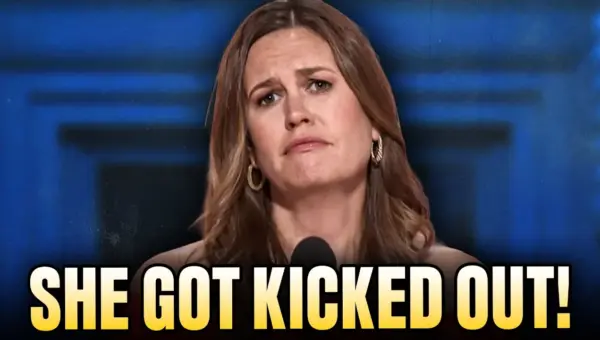
Arkansas Governor Sarah Huckabee Sanders and her security detail were asked to leave a local restaurant after reportedly occupying a table for over an hour. The owners cited standard business practice for managing customer flow, while the governor's office described the action as discriminatory. The incident highlights the tensions between public figures and local businesses in a polarized environment.
Mind’s Eye: Can You Really See Without Looking?
Explore the intriguing world of remote viewing, a paranormal theory suggesting the ability to perceive distant information without physical senses. Discover its history, methods, and the ongoing debate between believers and skeptics.