Congress Faces Scandal: Is it Broken or Just Corrupt?
Recent scandals involving Congressmen Eric Swalwell and Tony Gonzales have ignited a debate about accountability in Washington D.C. Congresswoman Lauren Boebert argues the system protects the powerful, while others question partisan hypocrisy in handling misconduct. The push for transparency may lead to significant reforms.

Congress Faces Scandal: Is it Broken or Just Corrupt?
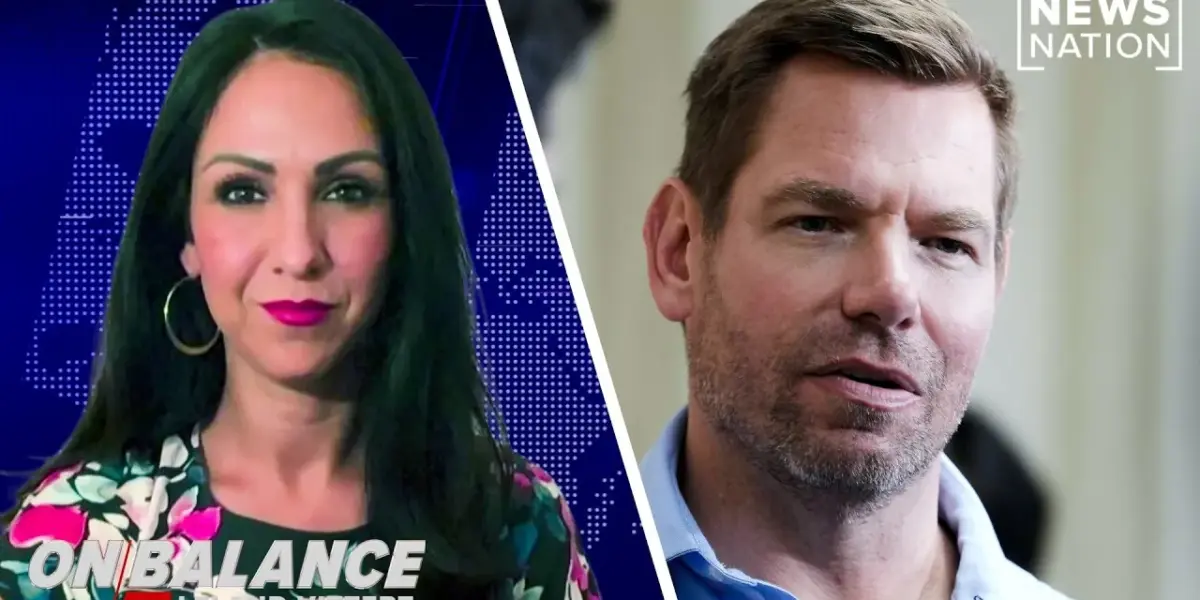
Capitol Hill is buzzing with talk of scandals. Recent events involving Congressmen Eric Swalwell and Tony Gonzales have brought serious allegations to light.
Both men have reportedly left their positions due to their alleged actions with female staffers. This has sparked a debate about accountability and how these matters are handled in Washington D.C.
Congresswoman Lauren Boebert, a member of the House Oversight Committee, believes more issues will surface. She suggests that the nature of Washington D.C.
Leads to such activities. Boebert also touched on past concerns about Swalwell’s involvement with the Chinese Communist Party, implying a pattern of compromised judgment.
A Tale of Two Parties?
The situation has highlighted a perceived difference in how political parties handle scandals. While Democrats have been quick to hold members accountable, Republicans face accusations of hypocrisy.
Alexandria Ocasio-Cortez pointed out that Republicans seem to care about these issues only when a Democrat is involved. She questioned if Republicans are using the situation for political gain.
Boebert countered this by stating her immediate call for Tony Gonzales’ resignation after learning about his alleged affair. She explained that this led to a staffer’s death.
Boebert also mentioned that Republicans have attempted to hold their own members accountable, though sometimes through less public means. She argued that the system protects the powerful, creating a two-tiered system for handling scandals.
Due Process vs. Public Trust
A key point of discussion is the concept of due process and the presumption of innocence. Boebert previously defended George Santos, stating that individuals are innocent until proven guilty.
She argued against expelling elected officials without due process. However, she now seems to support swift action in cases of assault or harassment.
The transcript highlights a case involving Congresswoman Anna Paulina Luna, who faced 25 charges and was found guilty by the Ethics Committee. This led to her expulsion.
Boebert contrasted this with Swalwell and Gonzales, who she feels escaped accountability by resigning. She is working to prevent former members from receiving taxpayer-funded retirement benefits after such incidents.
The Systemic Issue
Boebert’s core argument is that Congress is not broken by accident; it is designed to be that way. She describes a system that uses secrecy and deals to protect the powerful.
This allows elites to bury their scandals while ordinary Americans are lectured about rules. She has pushed for the release of documents related to congressional slush funds and the Epstein files, aiming to expose these hidden practices.
She emphasized that her fight for accountability is not partisan. Boebert has been trying to get these issues addressed for a long time. She has been working to expose the congressional slush fund and expects to receive relevant documents soon, though victim names will be redacted.
Looking Ahead
The recent resignations of Swalwell and Gonzales before potential expulsion votes raise questions. Were Democrats ready to expel Swalwell for political reasons, perhaps seeing him as a liability? He resigned, possibly to avoid further accusations or a public debate about his actions.
The ongoing push for transparency regarding congressional slush funds and the handling of member misconduct suggests a potential shift. Boebert’s efforts to expose these practices could lead to greater accountability. The public’s awareness of these issues is growing, fueled by high-profile cases and continued reporting.
Why This Matters
These scandals and the debates surrounding them strike at the heart of public trust in government. When elected officials are accused of serious misconduct, the public expects swift and fair action. The perception that there is a system in place to protect the powerful while holding others to different standards erodes faith in the integrity of the institution.
The use of taxpayer money to settle claims or provide benefits to departing members further fuels public anger. It raises questions about priorities and fairness.
The push for transparency and accountability, as championed by Boebert and others, is crucial for restoring confidence. It forces a conversation about whether the current systems adequately serve the public interest or primarily protect those within the political establishment.
Historical Context
Scandals are not new to Capitol Hill. Throughout history, members of Congress have faced accusations ranging from financial impropriety to personal misconduct. The way these scandals are handled often reflects the political climate and the prevailing norms of the time.
In the past, some scandals led to resignations or expulsions, while others were quietly managed or dismissed. The increasing media scrutiny and the rise of social media have made it harder for misconduct to remain hidden. This increased visibility puts pressure on Congress to act decisively and transparently when allegations arise.
Implications and Future Outlook
The current focus on these issues could lead to reforms in how congressional ethics are handled. There may be increased pressure to close loopholes that allow for taxpayer-funded settlements or generous retirement packages for members who leave under a cloud of scandal. The demand for transparency regarding the use of public funds is likely to grow.
As Boebert and others continue to push for the release of documents related to slush funds and ethics investigations, the public will gain a clearer picture of potential systemic issues. The outcome of these efforts could shape future accountability measures and influence public perception of Congress’s commitment to ethical governance. The fight for accountability is ongoing, with the next steps likely involving the release of more documents and continued public pressure for reform.
Source: Lauren Boebert talks sex scandals shaking Capitol Hill | On Balance (YouTube)

Related Articles


GOP Rep’s Claims: Due Process vs. Public Accountability in Congress
Representative Lauren Boebert discussed allegations against members of Congress, contrasting due process with public accountability. She raised questions about how serious misconduct claims against figures like Ruben Gallego and Eric Swalwell should be handled, emphasizing the need for accountability beyond simple apologies or resignations.

Fed Claims Immunity From Constitution, Ex-AG Says
The Federal Reserve's refusal to provide documents to the Justice Department has ignited a debate over its constitutional standing. Experts argue that no agency is above the law and that the Fed must cooperate with executive branch requests. Potential congressional or executive actions are being explored to resolve the standoff.


Democrats Fight Corruption With Bold New Policies
New York City's mansion tax and other Democratic initiatives highlight a growing focus on fighting corruption and economic inequality. Politicians are pushing for policies that aim to redistribute wealth and increase government accountability, seeking to connect with voters through clear messaging and tangible reforms.