Detroit’s War Machine: Automakers Rejoin Arms Race
The U.S. Pentagon is in talks with major automakers like General Motors and Ford about shifting production to weapons and munitions. This move echoes World War II-era mobilization and aims to replenish dwindling stockpiles amid global conflicts.

Detroit’s War Machine: Automakers Rejoin Arms Race
The United States is facing a serious challenge to its military readiness. Two major conflicts, one in the Middle East and another in Ukraine, are using up Washington’s ammunition stores.
Meanwhile, Taiwan is counting on American weapons to keep communist China in check. This growing demand has led the Pentagon to explore a significant shift: bringing automakers back into weapons production.
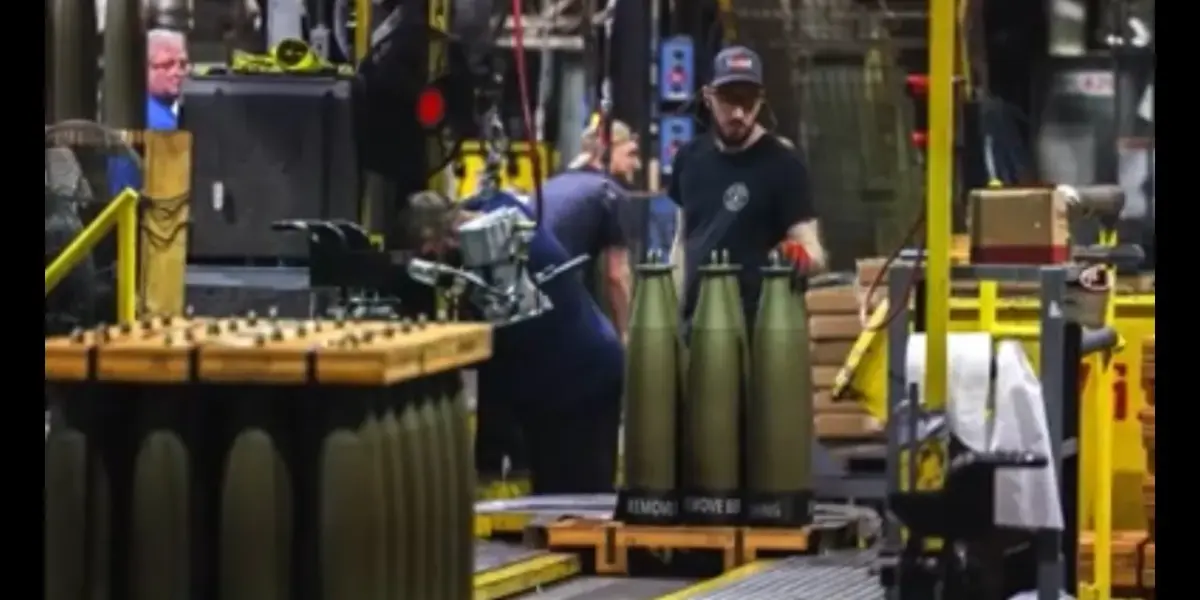
Reports indicate that the Trump administration is urging American car companies and other manufacturers to play a bigger part in making military gear. This idea strongly brings to mind the massive industrial effort seen during World War II. It suggests a return to a time when civilian factories were retooled for the war effort.
A recent Wall Street Journal report detailed talks between top Pentagon officials and executives from major car companies like General Motors and Ford. These discussions were not just casual chats; they focused on how these companies could switch their production lines to manufacture munitions and other military equipment. The goal was to see if these commercial factories could rapidly change their operations when global conflicts are depleting U.S. weapon stockpiles.
Pentagon officials are examining ways that civilian industries can back up defense contractors. This is part of a broader move by the military to prepare for potential wartime needs. The effort to increase munition production reportedly began even before the recent conflicts started, showing a forward-looking concern for supply.
This isn’t the first time American automakers have stepped up during national crises. During the COVID-19 pandemic, both GM and Ford were instrumental in producing much-needed medical ventilators. This demonstrated their capability to adapt their manufacturing might to urgent societal needs.
The historical precedent is even stronger. During World War II, the factories of Detroit, the heart of America’s auto industry, were completely transformed to produce tanks, planes, and other war materials. This era showcased the immense power of American industry when directed towards defense.
When reached for comment on these reports, Ford declined to provide a statement. General Motors did not respond by the time the report aired. This silence from major players leaves many questions about the feasibility and willingness of these companies to undertake such a significant industrial pivot.
Why This Matters
This potential shift in defense production is more than just a logistical adjustment; it signals a serious concern about global stability and America’s ability to project power. The rapid depletion of munition stockpiles highlights the intensity of current conflicts and the potential for future, larger-scale engagements. Relying solely on existing defense contractors might not be enough to meet demand, forcing a look towards broader industrial capacity.
Historical Echoes and Future Outlook
The parallels to World War II are striking. That period saw an unparalleled mobilization of American industry, transforming the nation into the “arsenal of democracy.” The current discussions suggest a recognition that similar, though perhaps less extensive, industrial flexibility might be needed again. This could mean a renewed focus on manufacturing skills, supply chains, and workforce training that have diminished in recent decades.
The implications for the automotive industry are significant. It could lead to new investments, research and development in defense technologies, and a diversification of revenue streams for car manufacturers. However, it also raises questions about the ethical considerations of shifting production from civilian goods to instruments of war, and the potential impact on public perception.
The future outlook depends on many factors. International relations will play a key role; the duration and intensity of current conflicts, as well as potential new flashpoints, will dictate the urgency of this industrial shift.
The willingness and ability of automakers to adapt their complex manufacturing processes to military specifications will be crucial. The success of these talks could reshape not only defense supply chains but also the very identity of America’s industrial giants.
Looking Ahead
The Pentagon’s exploration of bringing automakers into weapons production is a stark indicator of the current geopolitical climate. The coming months will likely see further discussions and potentially concrete agreements as the U.S. military seeks to strengthen its readiness for a complex and demanding world.
Source: Pentagon in Talks With Automakers, Manufacturers Over Potential Shift to Weapons Production: WSJ (YouTube)

Related Articles


Iran Strike Cripples Qatar LNG, Spurring Global Energy Scramble
An Iranian strike on Qatar's vital LNG export facility has sent global energy markets into turmoil, highlighting the fragility of supply chains. The attack is expected to disrupt supplies for years, causing prices to double and forcing nations to scramble for alternatives, potentially accelerating the shift to renewables.


Hegseth Quotes ‘Pulp Fiction’ as Bible Verse at Pentagon
Pentagon Secretary Pete Hegseth has faced widespread criticism for quoting lines from 'Pulp Fiction' as if they were Bible verses during a prayer service. Religious leaders and commentators have condemned the act as "idiotic" and disrespectful, highlighting the diverse nature of the U.S. military and raising concerns about the public use of faith.


Pentagon Sermon Mixes Scripture with ‘Pulp Fiction’
A recent Pentagon prayer service saw official Pete Hegseth quote "Pulp Fiction" as if it were a Bible verse. This incident sparks debate about sincerity in public religious displays and the perceived tendency of some political figures to prioritize image over substance, likening their approach to filmmaking.