Trump Announces Israel-Lebanon Ceasefire Amid Rising Tensions
President Trump announced a new ceasefire agreement between Israel and Hezbollah, set to take effect immediately. The truce aims to de-escalate weeks of heavy fighting. The announcement comes as a US oil deal nears expiration, and global economic concerns, including rising gas prices, persist.

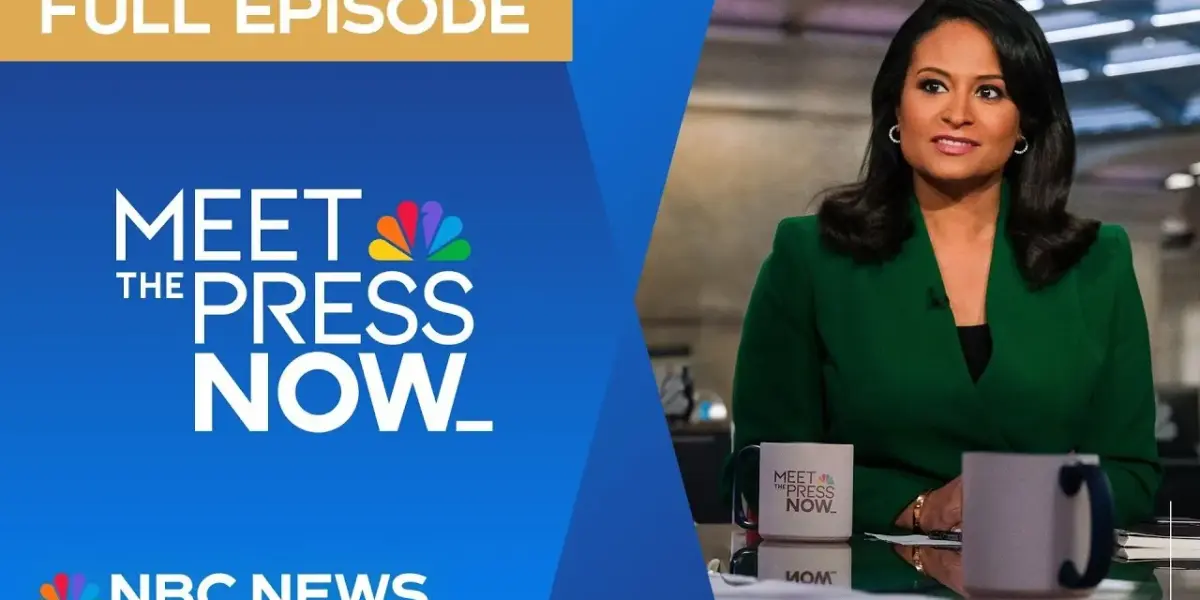
Israel and Hezbollah Agree to Truce, US Oil Deal Looms
President Trump announced a new ceasefire agreement today between Israel and the militant group Hezbollah in Lebanon. The truce was set to take effect at 5 p.m. Eastern time.
For weeks, Israel and the Iran-backed Hezbollah have been exchanging heavy fire, leaving the number of casualties unclear. A major question remains whether Lebanon can control the situation on its borders.
Speaking to reporters, President Trump confirmed he had spoken with both Israeli Prime Minister Benjamin Netanyahu and the President of Lebanon. He stated that while a ceasefire is now in place, a broader agreement between Israel and Lebanon is on the horizon.
This development comes as a significant US oil deal is set to expire in just five days, with the President expressing optimism about reaching an agreement, potentially before the deadline. He indicated that if no deal is reached, fighting could resume.
Economic Concerns: Gas Prices and Global Markets
The ongoing turmoil in the Strait of Hormuz has fueled concerns about rising gas prices, with averages nearing $5 a gallon in some areas. President Trump, however, maintained that the stock market is performing well and that other economic indicators are strong. He emphasized policies like the “no tax on tips” as beneficial to millions of Americans.
However, international correspondent Matt Bradley, reporting from Tel Aviv, noted that the war in Iraq, now in its seventh week, continues to dominate discussions. While the President insists the conflict is nearing its end, public opinion suggests a belief that it could last for months. Bradley also touched on the economic impact, referencing a report from the International Monetary Fund (IMF) that warned disruptions to markets could slow global growth further, increase fuel inflation, and lead to lasting consequences like higher food prices and damage to infrastructure.
Diplomacy and Defense: NATO and Ukraine
The conversation also turned to international alliances, with President Trump questioning NATO’s extensive spending and involvement in what he termed “minor skirmishes.” He stressed that NATO is a defensive alliance and that European allies are increasing their defense investments. A representative from NATO, Jens Stoltenberg, acknowledged the challenges but expressed confidence in the alliance’s ability to overcome differences, emphasizing that unity enhances security.
Regarding Ukraine, concerns were raised about a recent large-scale attack involving drones and missiles on Kyiv. The ongoing conflict and Russia’s stalled progress were discussed, with a sentiment that Russia may eventually be forced to negotiate.
There was also mention of a statement by J.D. Vance regarding Ukraine, which was met with a call for continued US financial support for the country.
Hungarian Elections and Cuban Political Prisoners
The discussion briefly touched upon the recent election in Hungary, where Viktor Orbán lost power. The new leadership is expected to be more supportive of Ukraine, potentially removing obstacles to EU aid. The segment also highlighted concerns about authoritarian forces gaining power globally.
In a separate interview segment, New York City Mayor Eric Adams discussed his focus on affordability, drawing parallels to President Trump’s campaign messages. He addressed the impact of global conflicts on the cost of living for New Yorkers, advocating for investments in working-class Americans. Separately, an exclusive interview with Cuban President Miguel Díaz-Canel presented a differing view on political prisoners, which was contrasted with reports from human rights organizations detailing over 1,200 political prisoners in Cuba.
US Politics and Special Elections
The political landscape in the United States was also examined, with discussions on the upcoming midterm elections and the impact of the economy on voter sentiment. Polls indicated a significant portion of the public blames President Trump for rising gas prices. There was also a focus on a special election in New Jersey’s 11th Congressional District, where a progressive candidate endorsed by figures like Bernie Sanders and Alexandria Ocasio-Cortez was running against a Republican opponent.
The segment also reported on a tragic incident involving former Virginia Lieutenant Governor Justin Fairfax, who died from a self-inflicted gunshot wound. Police were responding to a domestic situation related to a difficult divorce. The event brought back memories of earlier allegations against Fairfax during his political career.
Looking Ahead
As the ceasefire between Israel and Hezbollah takes hold, attention will remain on whether a lasting agreement can be reached and how the broader regional stability will be affected. The economic implications of global conflicts, particularly concerning oil prices and market stability, will continue to be a key focus. The upcoming US elections and ongoing international diplomatic efforts will shape the political narrative in the coming months.
Source: Meet the Press NOW — April 16 (YouTube)

Related Articles
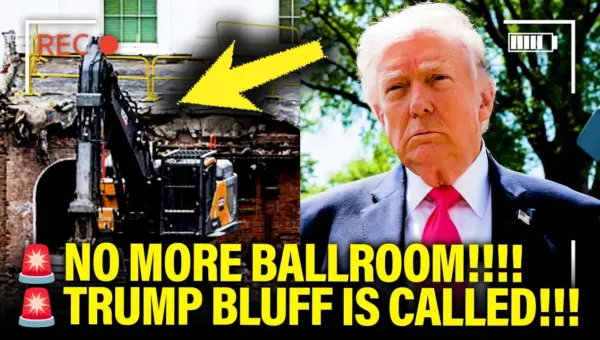
Judge Blocks Trump’s Ballroom Dream at White House
A federal judge has ruled against Donald Trump's plan to build a 90,000-square-foot ballroom at the White House. While underground construction for security facilities is permitted, the above-ground ballroom has been blocked due to lack of congressional approval. The case highlights the balance of power between the president and Congress regarding federal property.


Pope Slams Trump’s ‘Tyrants’ Amidst Religion Row
Pope Leo XIV has publicly criticized "tyrants" and the misuse of religion for political gain, sparking backlash from Donald Trump and his allies. The podcast hosts discuss this conflict, arguing that some politicians exploit faith as a "grift." This clash highlights the growing tension between religious authority and political power.
GOP Faces Midterm Meltdown as Trump’s Woes Mount
Republicans are reportedly in a state of panic over the upcoming midterm elections, as Donald Trump's record-low approval ratings and persistent distractions are overshadowing their efforts. A combination of economic woes, foreign policy stumbles, and internal party conflicts are creating significant challenges for the GOP as they approach a crucial election cycle.