Cuba Denies Political Prisoners Amid Rights Group Claims
Cuban President Miguel Diaz-Canel has denied holding political prisoners, calling such claims a "big lie." However, human rights groups, including Prisoners Defenders, insist that over 1,200 individuals are unjustly detained for dissent. The dispute highlights ongoing tensions over freedom of expression in Cuba.

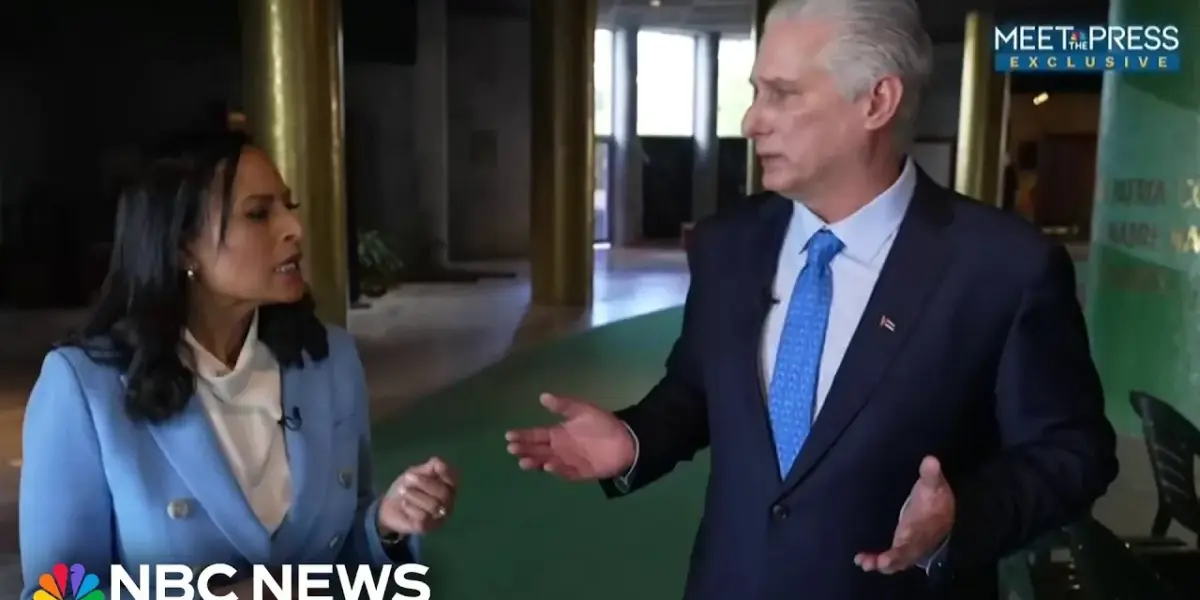
Cuba Disputes Existence of Political Prisoners
Cuban President Miguel Diaz-Canel has strongly denied claims that his government holds political prisoners. In an exclusive interview, he dismissed reports of over 1,200 political detainees as a “big lie” and “slander.” Diaz-Canel stated that those imprisoned are not being jailed for speaking against the revolution but for other reasons.
However, human rights organizations are pushing back against the president’s assertions. Groups that document human rights in Cuba maintain that there are indeed political prisoners. They argue these individuals are unjustly detained simply for expressing dissent against the government.
Human Rights Groups Counter President’s Claims
Organizations like Prisoners Defenders have compiled lists of individuals they identify as political prisoners. Javier Larrondo, who leads Prisoners Defenders, stated that his group tracks these cases. He believes the Cuban state uses these detentions to punish and stop any form of disagreement.
Alina Quintana, another advocate, echoed these concerns. She noted that her organization also counts over 1,000 political prisoners on the island. Quintana added that this number is growing, largely due to conditions that she claims force people to act out.
What Constitutes a Political Prisoner?
The core of the disagreement lies in how “political prisoner” is defined. President Diaz-Canel suggests that individuals are not jailed for their political views but for other actions. He framed the narrative as a prejudice created by those who misunderstand the situation.
Conversely, human rights groups define political prisoners as those detained for peacefully opposing the government or advocating for change. They point to the widespread protests in July 2021 as an example of citizens expressing their discontent. These groups argue that the subsequent arrests and detentions of activists and ordinary citizens fall under the definition of political imprisonment.
Context of Recent Protests and Dissent
The debate over political prisoners comes after significant island-wide protests in July 2021. During these demonstrations, thousands of Cubans took to the streets to voice grievances about economic hardship, food shortages, and government policies. The government responded with mass arrests.
Human rights advocates say many of those arrested during and after the protests remain imprisoned. They are considered political prisoners because their detention is seen as a direct consequence of their participation in or support for the anti-government demonstrations. The groups claim these detentions are part of a pattern of authoritarian practices aimed at silencing opposition.
South Florida’s Perspective on Cuba
In South Florida, home to a large Cuban-American population, there is a strong sentiment regarding the situation in Cuba. Many in the community closely follow events on the island and advocate for democratic change.
Recent polling among Cuban Americans in South Florida suggests a desire for significant change. Reports indicate that a large majority of Cuban Americans and Cubans living in South Florida favor a shift in the current regime. This sentiment is often tied to hopes for greater freedom and improved living conditions on the island.
Looking Ahead
The conflicting narratives from the Cuban government and human rights organizations highlight the ongoing struggle for freedom of expression and political rights in Cuba. As international attention remains focused on the island, the work of groups documenting detentions will likely continue.
The coming months will be crucial in observing whether international pressure leads to any changes in Cuba’s approach to dissent. Human rights organizations plan to continue their advocacy and provide updated numbers on political detainees.
Source: Human rights groups reject Cuban president's claims on political prisoners (YouTube)

Related Articles


US Ally Faces Global Outcry Over War Actions
Prominent figures and international leaders are increasingly vocal in their criticism of Israel's wartime actions, drawing parallels to historical atrocities and condemning its policies. The report highlights global backlash, diplomatic clashes, and a growing movement advocating for a shift in US foreign policy and support for progressive political change.

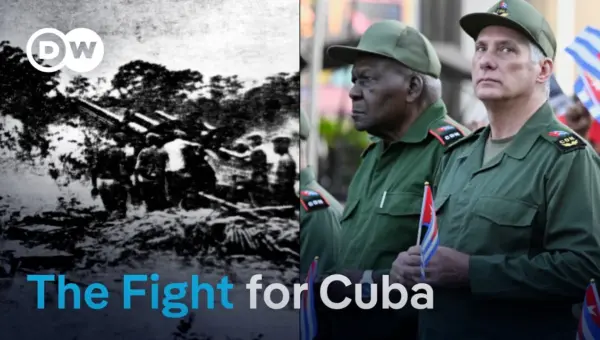
Bay of Pigs Veterans Hope for Cuba’s Freedom
Veterans of the failed Bay of Pigs invasion in 1961 are sharing their stories and expressing renewed hope for Cuba's freedom. They describe the harsh realities faced by Cubans today and see a potential opportunity for change. Despite the mission's failure decades ago, the dream of a liberated Cuba persists among exiles.

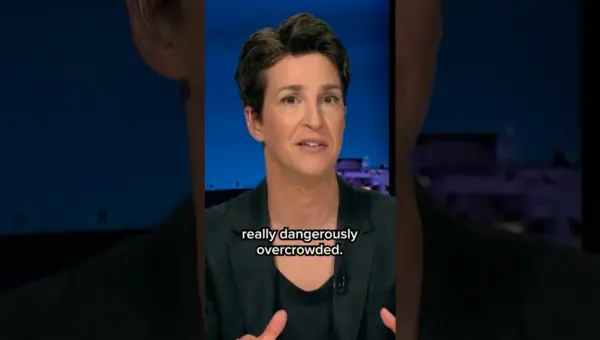
ICE Facility Overcrowding Sparks Safety Concerns
New reporting from the Arizona Mirror reveals that an ICE detention facility in Mesa, Arizona, is dangerously overcrowded. This situation raises significant health and safety concerns for detainees. Journalist Rachel Maddow has highlighted these findings, calling for immediate action to address the critical conditions.