Bus Smashes Airport Pole: Warning Signs Fail Drivers?
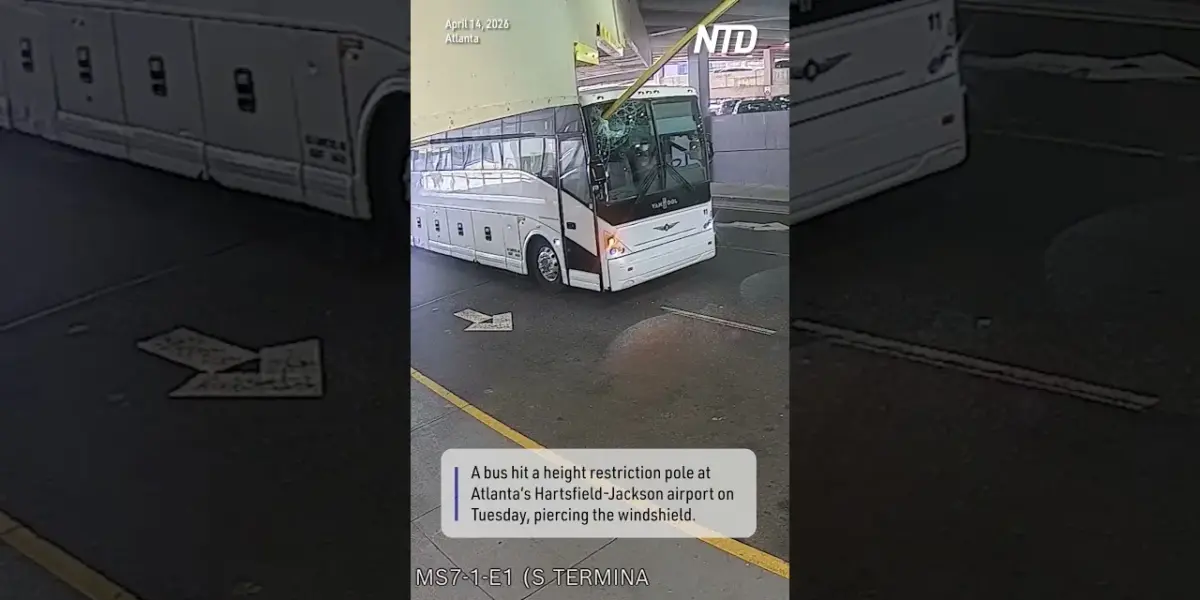
A bus at Atlanta's airport struck a height restriction pole, piercing its windshield. Fortunately, no injuries were reported, but the incident raises questions about driver awareness and the effectiveness of warning systems in busy transportation hubs.

Bus Smashes Airport Pole: Warning Signs Fail Drivers?
A common sight at busy airports is a bus navigating tight spaces. Usually, these buses move without incident.
However, a recent event at Hartsfield-Jackson Atlanta International Airport showed this isn’t always the case. A bus recently struck a height restriction pole, a serious incident that pierced the vehicle’s windshield.
The collision happened near one of the airport terminals on a Tuesday. Thankfully, authorities reported that no one was injured in the crash. This is a significant relief, given the potential for serious harm when a large vehicle hits a solid object with such force.
The Incident and Its Immediate Aftermath
The bus was traveling when it collided with a pole designed to warn drivers about height limits. These poles are crucial safety features, especially in areas where overhead structures or low bridges are present.
This particular pole was strong enough to penetrate the bus’s front window, highlighting the force of the impact. Police were on the scene to investigate the circumstances surrounding the crash.
The fact that no injuries were reported is proof of the luck involved and perhaps the sturdy construction of the bus. Still, the damaged windshield and the pole’s intrusion into the driver’s space serve as a stark visual reminder of the dangers. It raises questions about how such a collision could occur despite the presence of warning signs.
Understanding Height Restrictions
Height restriction poles are common in many places, not just airports. You see them near bridges, underpasses, and in parking garages.
Their purpose is simple: to prevent vehicles that are too tall from attempting to pass through areas where they cannot fit. Think of it like a gatekeeper for tall trucks or RVs.
These poles are often placed in advance of the actual restriction. This gives drivers time to react and find an alternate route.
They are typically designed to be visible and sturdy, serving as a clear physical cue. When a vehicle hits one, it’s usually a sign that the driver either didn’t see the warning or misjudged the vehicle’s height.
Why This Matters
This incident at Atlanta’s airport is more than just a news story about a damaged bus. It highlights potential issues with driver awareness and the effectiveness of safety measures in complex environments. Airports are bustling hubs with constant movement of vehicles and people, making safety paramount.
A collision like this, even without injuries, can cause significant disruption. It can lead to delays, damage to airport property, and potential rerouting of bus services. More importantly, it points to a need to ensure all drivers, especially those operating large vehicles in unfamiliar or high-traffic areas, are fully aware of their surroundings and any potential hazards.
Looking at the Bigger Picture
Airports are increasingly complex logistical operations. The movement of passengers, baggage, cargo, and service vehicles requires meticulous planning and strict adherence to safety protocols. Height restrictions are just one small part of a much larger system designed to keep everything running smoothly and safely.
The incident could prompt a review of how height warnings are implemented and communicated at Hartsfield-Jackson. Are the poles clearly visible? Are there additional electronic warnings?
Are drivers receiving adequate pre-trip briefings about potential low clearances? These are crucial questions for airport safety managers.
Historical Context and Future Outlook
Vehicle collisions with infrastructure are not new. Throughout history, as transportation methods evolved, so did the challenges of navigating them safely. Early automobiles faced issues with narrow roads and bridges, while modern trucking deals with the complexities of overpasses and tunnels.
In the context of airports, the increasing size of buses and other service vehicles, combined with the constant pressure of time, can create a challenging environment. Technology offers potential solutions, such as GPS systems that alert drivers to height restrictions or advanced driver-assistance systems. However, human error and attentiveness remain critical factors.
The focus moving forward will likely be on reinforcing safety procedures and exploring new ways to alert drivers. This might involve a combination of better signage, driver training, and technological aids. The goal is to prevent future incidents, ensuring the safety of passengers, drivers, and airport operations.
The next steps will involve a thorough investigation by airport authorities to determine the exact cause of the incident and to implement any necessary changes to improve safety protocols.
Source: Atlanta Airport Height Restriction Pole Pierces Bus Windshield (YouTube)

Related Articles

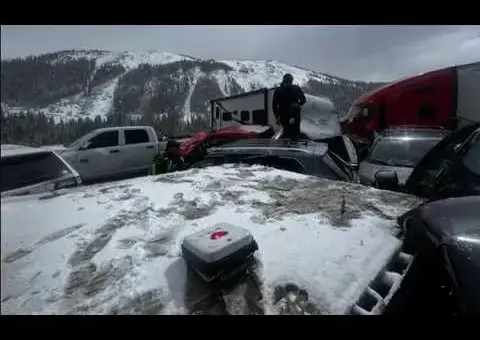
Colorado Pileup: 75 Cars Crash, 19 Injured in Winter Storm
At least 19 people were injured after a massive 75-vehicle pileup in Colorado on Interstate 70. Hazardous winter weather is believed to be the cause, creating dangerous driving conditions. The incident highlights the risks of winter travel and the need for caution.

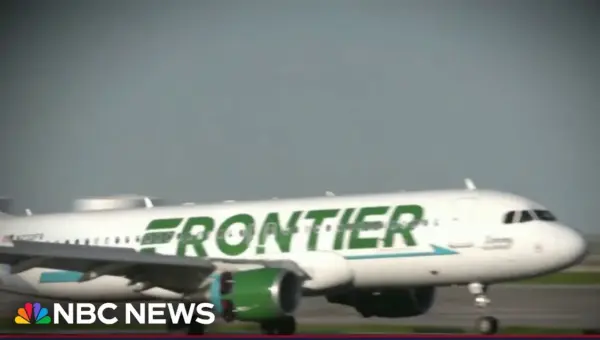
LAX Plane Narrowly Avoids Collision With Trucks
A Frontier Airlines flight with over 200 passengers at LAX narrowly avoided a collision with two service trucks while taxiing. The pilot's quick braking prevented a potential disaster. The FAA is investigating the incident, which highlights critical safety concerns regarding ground vehicle operations at airports.


LaGuardia Airport Operates at Reduced Capacity After Fatal Crash
A tragic collision between an Air Canada Express flight and a Port Authority fire truck at LaGuardia Airport has claimed the lives of two pilots. The incident has led to the airport operating at reduced capacity as investigations begin. Authorities are urging continued adherence to safety measures during travel.