Iran’s Killing Machine: Executions Skyrocket Daily
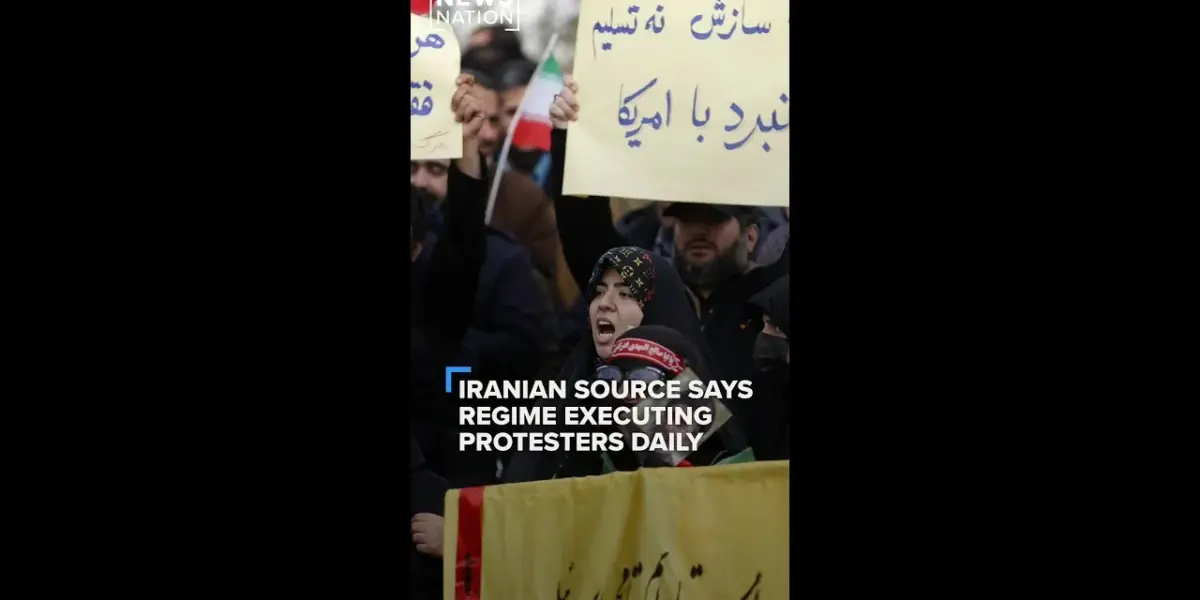
A refugee reports that Iran is executing one to two people daily, with four protesters now facing execution. This accelerated crackdown follows a call to speed up the death penalty process. The White House has condemned these actions as a 'horrific tragedy'.

Iran’s Killing Machine: Executions Skyrocket Daily
A refugee from Iran has revealed a chilling reality: one to two people are executed every single day within the country. This grim statistic comes as Iran announced plans to execute four more protesters, including the first woman to face this ultimate penalty from the recent wave of unrest. This news follows a call last week from Iran’s judiciary chief to speed up the execution process, signaling a disturbing acceleration of state-sanctioned killings.
Sources close to the regime offer a glimpse into the brutal final hours of those condemned. The day before an execution, the individual is isolated in solitary confinement.
Hours before their death, they are allowed to pray with a cleric. Then, before the sun rises, they are taken to the prison yard and executed by hanging.
Reports suggest that many more protesters are currently on death row, awaiting a similar fate. The sheer number of individuals facing execution highlights a severe crackdown on dissent. This systematic approach to silencing opposition is creating a climate of fear and desperation.
The White House has condemned these actions, calling the execution of protesters a “horrific tragedy.” In response to the ongoing situation, President Trump has reiterated his commitment to preventing Iran from obtaining nuclear weapons. This statement links the human rights crisis within Iran to broader international security concerns.
Why This Matters
The escalating rate of executions in Iran is a critical human rights issue that demands global attention. The systematic killing of protesters and dissidents sends a clear message about the regime’s intolerance for opposition. This crackdown not only silences immediate dissent but also aims to deter future challenges to its authority.
The process described, from solitary confinement to a final prayer before execution, points to a calculated and dehumanizing system. It strips individuals of their dignity in their final moments. This level of control and state-sanctioned violence raises profound ethical and moral questions for the international community.
Historical Context and Trends
Iran has a long history of using capital punishment as a tool of political control. Executions have often surged during periods of significant social or political unrest. The current wave of protests, sparked by the death of Mahsa Amini, represents one of the most serious challenges to the Islamic Republic in decades.
In response to widespread demonstrations, the Iranian government has employed harsh tactics. These include mass arrests, brutal crackdowns by security forces, and now, expedited executions. This strategy aims to quell dissent through fear, a tactic seen in various authoritarian regimes throughout history.
Implications and Future Outlook
The increased use of the death penalty is likely to further isolate Iran internationally. While some nations may prioritize stability or other strategic interests, the sheer brutality of these executions could lead to stronger international condemnation and potentially more sanctions. The regime’s actions risk alienating its own population further, potentially fueling more long-term resistance.
The future outlook for those on death row remains bleak, especially with calls to speed up the process. However, sustained international pressure and condemnation can play a role in influencing the regime’s calculus. The focus on executing female protesters also highlights a disturbing trend of targeting vulnerable groups to make examples.
The ongoing situation in Iran highlights the tension between state control and the universal desire for human rights and freedom. The world is watching to see how these events unfold and what the international response will be. The coming weeks will likely see continued calls for justice and an end to the executions.
Source: Iran executes 1 to 2 people every day: Refugee | NewsNation (YouTube)

Related Articles
Cuba Denies Political Prisoners Amid Rights Group Claims
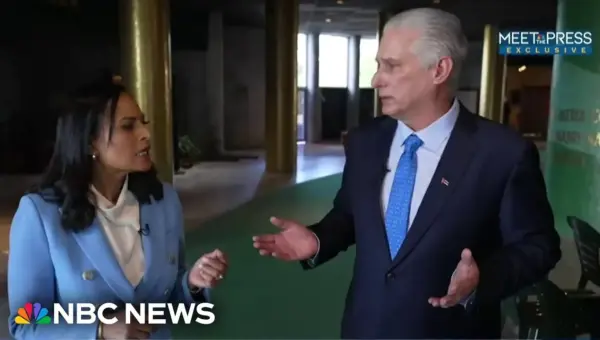
Cuban President Miguel Diaz-Canel has denied holding political prisoners, calling such claims a "big lie." However, human rights groups, including Prisoners Defenders, insist that over 1,200 individuals are unjustly detained for dissent. The dispute highlights ongoing tensions over freedom of expression in Cuba.


ICE Facility Overcrowding Sparks Safety Concerns
New reporting from the Arizona Mirror reveals that an ICE detention facility in Mesa, Arizona, is dangerously overcrowded. This situation raises significant health and safety concerns for detainees. Journalist Rachel Maddow has highlighted these findings, calling for immediate action to address the critical conditions.


Trump Claims Iran Nuclear Deal Near, Pope Urged on Protester Executions
Former President Donald Trump claims a deal with Iran on its nuclear program is imminent, stating the country has agreed not to pursue nuclear weapons. He urged Pope Francis to address Iran's human rights abuses, particularly the planned execution of protesters. Analysts expressed skepticism about the nuclear deal, while also discussing hopes for a Lebanon ceasefire and sovereignty.