Artemis II Crew Shares Mission Highlights and Future Hopes
The Artemis II crew detailed their successful 10-day mission around the Moon during a press conference today. Astronauts shared awe-inspiring views and highlighted the exceptional performance of the Orion spacecraft. The mission's success provides vital data and momentum for future deep space exploration efforts.

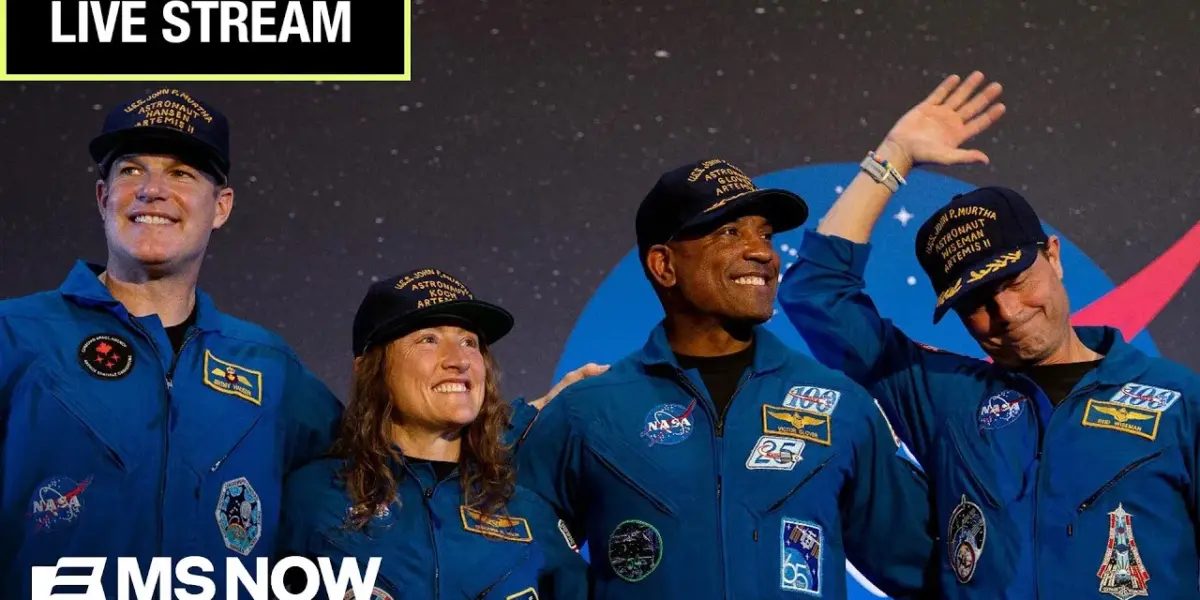
Artemis II Crew Addresses Press After Lunar Orbit Mission
The astronauts of the Artemis II mission held a press conference today to discuss their groundbreaking 10-day journey around the Moon. This mission, which successfully completed its orbit of the lunar body, marks a significant step forward in humanity’s return to deep space exploration. The crew shared their experiences and insights gained during this historic flight, offering a glimpse into the future of space travel.
Mission Success and Astronaut Experiences
Commander Reid Wiseman, Pilot Victor Glover, and Mission Specialists Christina Koch and Victor Wetherbee described the mission as a resounding success. They detailed the various objectives achieved during their 10-day flight, focusing on the critical data collected and the operational performance of the Orion spacecraft. The astronauts expressed their awe at the views of Earth and the Moon, emphasizing the profound impact of seeing our planet from such a distance.
“It was an incredible experience to see our home planet from that vantage point,” said Commander Wiseman during the conference. “It really puts things into perspective and reminds you of how beautiful and fragile Earth is.” Pilot Victor Glover added that the mission went smoothly, with the Orion spacecraft performing exceptionally well throughout their journey.
Technical Achievements and Orion’s Performance
A key focus of the press conference was the performance of the Orion spacecraft, which carried the crew on their lunar orbit. Engineers and astronauts alike highlighted the advanced systems and robust design that enabled the mission’s success. The crew underwent rigorous training to prepare for the mission’s complexities, including navigating deep space and operating sophisticated equipment.
Mission Specialist Christina Koch noted the importance of the data gathered for future missions. “Every piece of information we collected, from the spacecraft’s performance to the environmental conditions, is vital for planning longer and more ambitious journeys,” Koch explained. “The Orion capsule proved to be a reliable and capable vehicle for this type of extended deep space operation.” The mission tested life support systems, communication links, and navigation capabilities under real-world space conditions.
Reflections on the Journey and Future Implications
The astronauts shared personal reflections on the psychological and emotional aspects of their time in space. Being so far from Earth for an extended period offered unique perspectives. They spoke about the challenges and rewards of living and working in microgravity for days on end, a crucial aspect for planning future, longer duration missions.
“There’s a certain sense of isolation, but it’s balanced by the incredible sense of purpose and connection to the mission control team and, ultimately, to everyone back on Earth,” stated Mission Specialist Victor Wetherbee. “Seeing the Moon up close, with such clarity, was breathtaking. It fuels the desire to go back and explore further.” The crew also emphasized the international collaboration involved in the Artemis program, highlighting the shared goals of scientific discovery and human exploration.
Looking Ahead: Artemis Program and Beyond
The Artemis II mission is a critical stepping stone for NASA’s broader Artemis program, which aims to establish a sustainable human presence on the Moon and eventually send astronauts to Mars. The success of this mission provides invaluable data and operational experience for future endeavors. NASA officials and the crew expressed optimism about the next phases of exploration.
The insights gained from Artemis II will directly inform the design and execution of Artemis III, which is planned to land the first woman and the next man on the lunar surface. The crew acknowledged the immense responsibility they carry as pioneers in this new era of space exploration. Their experiences are enabling future generations of astronauts and scientists to push the boundaries of what is possible.
Conclusion and Next Steps
The Artemis II crew’s press conference concluded with a sense of accomplishment and anticipation for what lies ahead. Their successful 10-day mission around the Moon has provided critical data and inspiration for the future of space exploration. The next major milestone will be the Artemis III mission, which aims to achieve lunar landings.
Source: LIVE: Artemis II crew holds a press conference (YouTube)

Related Articles


Artemis II Crew Shares Deep Reflections After Historic Moon Flyby
The Artemis II astronauts shared profound reflections following their historic lunar flyby, detailing experiences that transcended photos and videos. They discussed unexpected emotional shifts, technical challenges, and the critical role of teamwork and communication during their deep space journey. The crew also offered advice to aspiring explorers, emphasizing resilience, lifelong learning, and collaboration.


Navy Welcomes Artemis II Crew Home After Historic Moon Mission
Newly released U.S. Navy video captures the joyous moments after the Artemis II crew splashed down, marking their safe return from a historic lunar orbit mission. Recovery teams can be seen warmly welcoming astronauts Christina Koch, Jeremy Hansen, and Reid Wiseman back to Earth with enthusiastic "Welcome home" messages, highlighting the culmination of years of training and dedication.

Astronauts Face Fiery Re-entry, Jarring Landings After Space Mission
Astronauts recently experienced a dramatic return to Earth, enduring intense G-forces and multiple parachute deployments. The journey from microgravity to splashdown involved fiery atmospheric re-entry and a significant water impact. This rigorous process highlights the extreme physical demands of space travel.