Iran’s Economy Crippled, Gas Prices May Hit $3 Soon
A U.S. senator claims Iran's military and economy are crippled, suggesting "game over" for the nation. Simultaneously, optimism is high for gas prices to fall below $3 per gallon by late summer or early fall, referencing historical trends.


Iran’s Military and Economy Severely Weakened, Analyst Claims
A leading Republican senator stated that Iran’s military capabilities and economic lifelines have been effectively destroyed, suggesting the nation is on the verge of surrender. Senator Steve Daines of Montana, speaking on national television, asserted that the United States, under President Trump’s leadership, has gained a dominant position in negotiations with Iran. He described the current situation as “game over” for the Iranian leadership.
Daines detailed the alleged successes of U.S. military actions, claiming the command and control structure in Iran has been decapitated. He also stated that Iran’s political leadership has been removed and its military capabilities, including ballistic missiles, have been destroyed. This assessment comes amid ongoing discussions regarding the Strait of Hormuz, a critical waterway for global oil transport.
Economic Blockade Tightens on Iran
The senator emphasized the impact of economic sanctions, describing them as Iran’s “lifeline to the rest of the world.” He pointed out that approximately 90% of Iran’s oil revenues pass through the Strait of Hormuz. By controlling this vital chokepoint, the U.S. has allegedly gained significant leverage over Iran’s economy, military, and political system.
Daines suggested that Iran has “no cards in their hands” during current negotiations. He presented two possible outcomes for Iran: either surrender and accept U.S. terms or face further military action. This strong stance indicates a belief that Iran’s ability to resist or negotiate from a position of strength has been eliminated.
Gas Prices Poised for Significant Drop
In separate but related economic news, a government official expressed optimism about falling gas prices. Secretary Bessent believes that consumers could see prices drop significantly in the coming months, potentially reaching below $3 per gallon. This projection offers a hopeful outlook for American households feeling the pinch of higher energy costs.
Secretary Bessent specifically suggested that gas prices might start with a “3” in front of them sometime between June 20th and September 20th. This timeframe aligns with the summer and early fall months, a period often associated with increased travel and demand for fuel.
Historical Data Supports Gas Price Forecast
Senator Daines supported this optimistic forecast by referencing historical gas price trends. He noted that in June 2022, following Russia’s invasion of Ukraine, gas prices in the U.S. reached nearly $5 a gallon. By September of that year, however, prices had fallen by almost $2 a gallon.
Based on this trend and current market conditions, Daines stated it is realistic to expect the current temporary spike in gas prices, hovering around $4, to fall below $3. He anticipates prices could reach around $2.50 by late summer or early fall. This historical perspective suggests that gas prices can indeed fall rapidly after periods of increase.
Market Impact
The assertion that Iran’s military and economic capacity has been neutralized, if accurate, could significantly alter geopolitical dynamics in the Middle East. Reduced Iranian aggression could lead to greater stability in oil markets, potentially contributing to lower energy prices globally.
For consumers, the projected drop in gas prices offers welcome financial relief. This could boost consumer spending in other areas of the economy. However, the timeline for these price drops depends on negotiation outcomes and broader market forces, including global oil production and geopolitical events.
What Investors Should Know
Investors in the energy sector will be closely watching developments in the Middle East and their impact on oil prices. A prolonged period of reduced tensions could favor industries that rely on lower transportation costs.
The political rhetoric suggests a strong U.S. stance in international negotiations, which could influence global trade and investment strategies. Market participants will need to monitor U.S. foreign policy decisions and their economic consequences.
The projected decrease in gas prices could also affect the automotive industry, potentially boosting sales of less fuel-efficient vehicles. Conversely, it might lessen the immediate urgency for consumers to switch to electric vehicles, though long-term trends are likely to persist.
The next key date to watch for gas prices is Labor Day in early September, with expectations of prices below $3 per gallon.
Source: TOTAL CONTROL: GOP rep says it is GAME OVER for Iran (YouTube)

Related Articles


Trump Brokers 10-Day Israel-Lebanon Ceasefire
President Trump announced a 10-day ceasefire between Israel and Lebanon, set to begin Tuesday at 5 p.m. Eastern time. The agreement follows diplomatic meetings at the State Department and direct calls with leaders from both nations. While Hezbollah was excluded from talks, the ceasefire is seen as a welcome development amid devastation in southern Lebanon.


Iran’s Missile Claims Debunked by US Intel
Recent claims of Iran's complete military defeat are being challenged by U.S. intelligence, which suggests Iran retains significant missile capabilities. This discrepancy highlights potential misrepresentations of conflict outcomes and impacts diplomatic efforts.

US Navy Tightens Strait of Hormuz Blockade
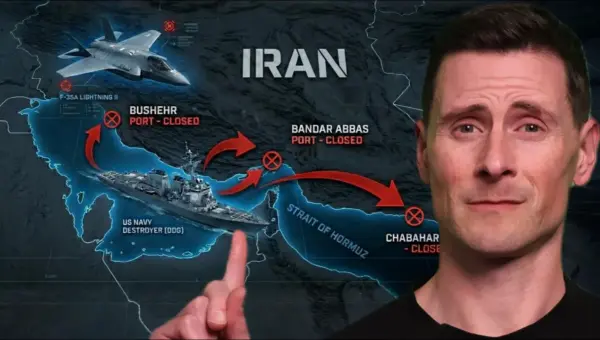
The U.S. Navy has tightened its blockade in the Strait of Hormuz, part of Operation Economic Fury against Iran. Pentagon officials have issued direct warnings to the IRGC, emphasizing U.S. military dominance and offering an "off-ramp" for a diplomatic resolution. While Iran has issued defiant threats, its naval capabilities are severely degraded, leaving few options against the U.S. carrier strike groups and advanced air power.