LG’s Dream Rollable Phone: A Glimpse of What Could Have Been
A working prototype of LG's cancelled rollable phone has surfaced, offering a rare glimpse into a device that promised a flexible screen experience. While showcasing impressive engineering and a unique adjustable display, durability issues with its flexible OLED screen ultimately proved to be its undoing.

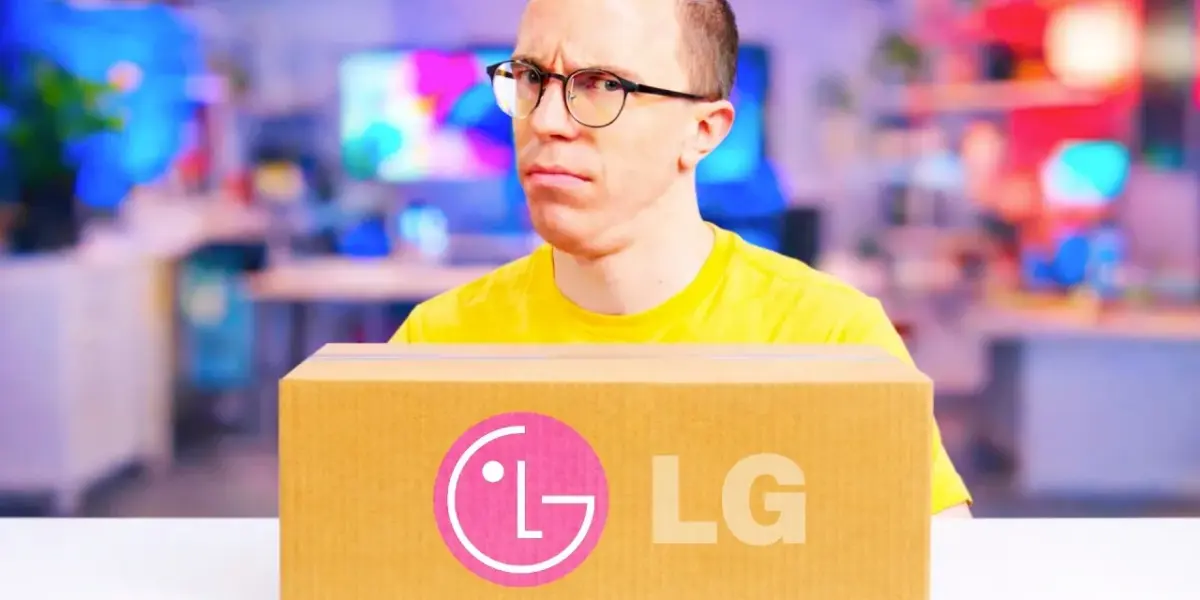
LG’s Rollable Phone: A Lost Gem Surfaces
Five years ago, LG showed off a concept phone that promised a new kind of mobile experience: the LG Rollable. Now, a working prototype has surfaced, offering a fascinating look at a device that could have changed the smartphone world. This isn’t just a concept; it’s a real, functional piece of technology that never made it to consumers.
LG was known for pushing boundaries, giving us unique devices like the LG Wing, a phone with a rotating secondary screen. The Wing was a bold step, but at its launch, LG hinted at something even more ambitious – a rollable display. This idea captivated the tech world.
From CES Tease to Mobile Division Closure
LG officially revealed the Rollable at CES 2021, aiming for a release by the end of that year. However, fate had other plans.
Just three months after the CES announcement, LG made the difficult decision to permanently close its mobile division. This move left many wondering about the fate of the Rollable.
Despite the division’s closure, working units of the LG Rollable were indeed manufactured. Videos have shown these prototypes, and recently, tech reviewer JerryRigEverything even did a full teardown, highlighting the impressive engineering. This hands-on review aims to go further, exploring what it’s like to actually use this unique device.
Living with the LG Rollable: A Strange Experience
The LG Rollable is unlike any standard smartphone. From the front, it looks like a typical flagship from the early 2020s, featuring curved edges similar to older Samsung Galaxy S models. However, its side profile reveals a surprising thickness, and the back is where things get truly unusual.
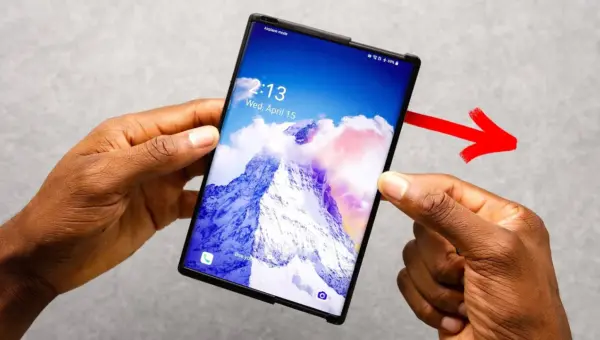
Pressing and holding a button on the side causes the phone to expand, revealing a larger screen. This prototype was reportedly about six to nine months away from a potential shipping date, meaning the hardware was quite advanced for its time. Some design choices, like the haptic volume buttons, feel a bit experimental, perhaps due to space constraints.
Expanded Display and Unique Features
When expanded, the Rollable offers a larger screen, comparable to early foldable phones like the Samsung Galaxy Z Fold. It provides about 30% more screen space than its compact form. A clever sensor system prevents damage by stopping and reversing the rolling mechanism if it detects resistance, though this can feel a bit unnerving.
A neat feature allows the extra screen to roll to the back, becoming protected under a layer of glass. This protects the flexible OLED panel when the phone is in its smaller state. The split keyboard when the phone is open also feels intuitive, similar to typing on a foldable device.
Specs & Key Features
- Processor: Snapdragon 888
- RAM: 12 GB
- Storage: 256 GB
- Display: Rollable OLED (expands from approx. 6.8 inches to 7.4 inches)
- Features: Haptic volume buttons, protective rolling mechanism, split keyboard
Real-World Use and Limitations
Using the LG Rollable as a daily driver proved complicated. Activation on networks like Verizon was not possible, requiring tethering to another phone, ironically a foldable. The user experience, while functional for many apps, revealed some issues.
Outdoors, the screen became highly reflective, suggesting a protective film might have been needed. Despite these prototype quirks, the core rollable mechanism itself is undeniably cool, eliciting amazed reactions from everyone who saw it.
The Rollable’s Advantage Over Foldables
The LG Rollable offered a key advantage over fixed-fold or flip phones. While foldables are limited to two states, a rollable can stop at any point in between. This allows users to have a screen size perfectly suited to their current task, a flexibility that fixed foldables simply cannot match.
The expanded aspect ratio is close to 16:9, making video playback incredibly immersive. This ability to precisely adjust screen size is the true potential of rollable technology, a concept that LG was clearly exploring with this device.
Durability Concerns: The Achilles’ Heel
However, the Rollable’s dream was quickly overshadowed by durability issues. Within an hour of use, a scratch appeared on the display, leaving a visible line of dead pixels. This happened with minimal use, like just putting the phone in and out of a pocket.
Unlike a foldable phone where the delicate screen is protected when closed, the Rollable’s screen is always exposed. The challenge of applying a durable screen protector that can also roll smoothly seems immense. A noticeable bump exists on the right side where the rolling mechanism sits beneath the display.
Lessons from the Past and Future of Rollables
The LG Rollable’s situation echoes the early days of other innovative form factors, like the original Motorola Razr. That phone, while exciting, suffered from a large gap and mid-range performance for its price. It took several generations for foldable tech to mature.
The fact that no major manufacturer has shipped a rollable phone since LG’s attempt in 2021 is telling. While concepts like the Motorola Rizr, which extends vertically, show ongoing interest, the fundamental challenge remains the display technology itself.
Why Rollables Haven’t Arrived
The core issue isn’t the motors, mechanisms, or software. It’s the flexible OLED screen technology. For a rollable phone to succeed, the screen needs to withstand constant rolling, exposure to debris, and scratches, all while maintaining flexibility.
Current display technology, even in 2021, wasn’t ready for these demands. This is the primary reason why we haven’t seen a commercially available rollable phone yet. The display tech simply needs more time to catch up.
A Glimpse of What Might Have Been
Despite its flaws, the LG Rollable is a significant piece of mobile history. It showcased the potential of a new form factor and demonstrated that LG’s hardware team was on an incredible run with devices like the Velvet and Wing. The Rollable was nearly ready to be a first-generation breakthrough.
This prototype, which was never meant to leave LG’s facilities, offers a tantalizing look at an alternate timeline. It proves that the concept of a rollable phone could have worked, even if LG itself couldn’t capitalize on it. The dream of the Rollable came remarkably close to reality.
Source: LG's Cancelled Rollable Phone is BROKEN (YouTube)

Related Articles

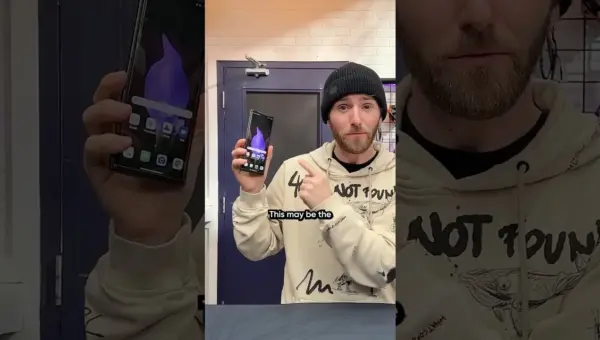
LG’s Discontinued Rollable Phone: A Missed Masterpiece?
LG's unreleased rollable phone prototype is being hailed as perhaps the greatest smartphone that never made it to market. It aimed to combine the best aspects of traditional smartphones and foldable phones, promising to overcome the drawbacks of current flexible screen technology. Despite its innovative design, durability issues prevented its release.
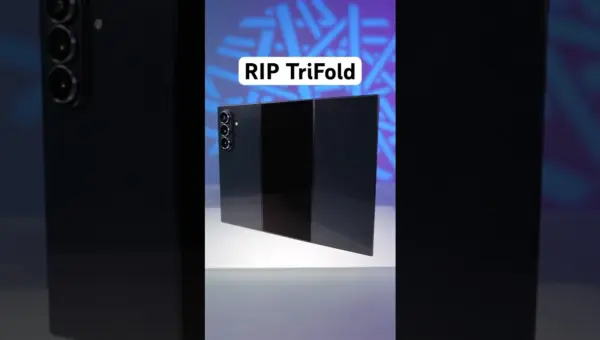
Samsung Scraps TriFold Phone After Just Months
Samsung has officially discontinued its experimental TriFold smartphone just months after its release. The high-priced, bulky device, while innovative, proved too impractical for mainstream adoption. Samsung's Z Fold 7 offers a more balanced foldable experience.
LG’s Wild Rollable Phone: A Glimpse of What Could Have Been
LG's unreleased rollable smartphone, obtained by Dbrand, offers a stunning glimpse into what could have been. The device seamlessly expands from a 6.7-inch phone to a 7.4-inch mini-tablet with a unique rolling mechanism. Despite its innovative features and polished software, the phone never saw a commercial release due to LG's exit from the smartphone market.