US Naval Blockade Tightens on Iran Amid Escalating Tensions
The U.S. Navy has implemented a naval blockade targeting ships entering or leaving Iranian ports, aiming to halt oil exports and pressure Tehran. This move escalates tensions following failed peace talks, with concerns mounting over global economic impacts and the long-term sustainability of the mission. Diplomatic efforts continue, though significant disagreements persist over Iran's nuclear program and regional activities.

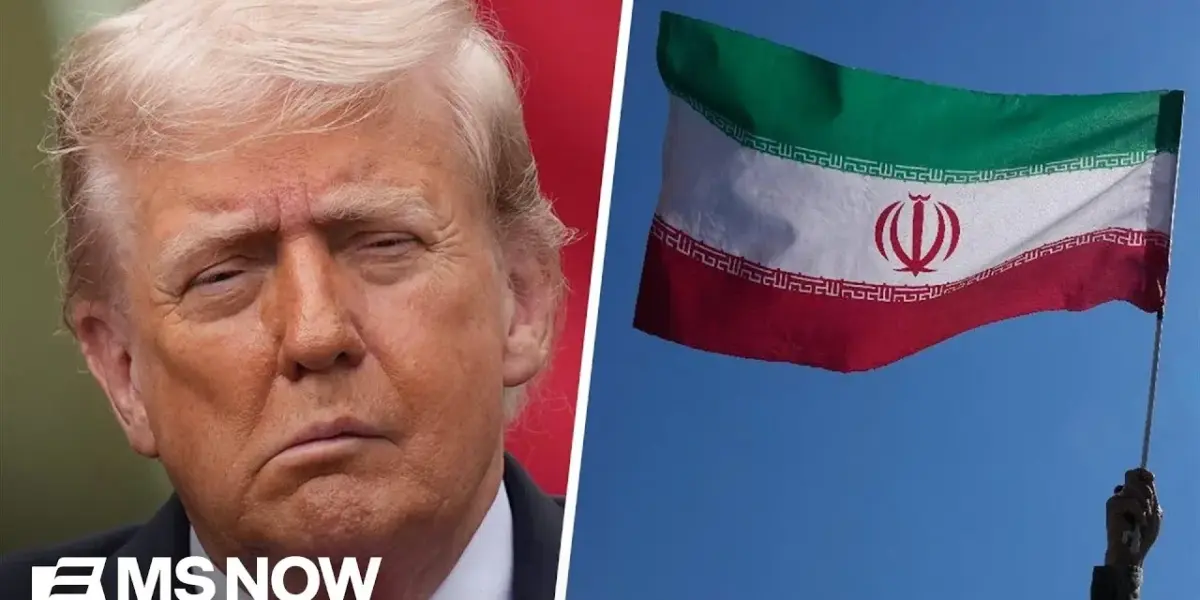
US Navy Enforces Blockade on Iranian Shipping
The United States is enforcing a naval blockade on ships entering or leaving Iranian ports, a move designed to cripple Iran’s oil exports and pressure its government. This action comes after peace talks between the U.S. and Iran failed over the weekend. The blockade, now in its third day, applies to all vessels regardless of nationality.
General Dan Kane stated that any ship crossing the blockade would face forceful intervention, including boarding. The U.S. military has turned around 13 ships so far due to threats of force.
Over 10,000 sailors, marines, and airmen are involved in this operation. U.S. officials have warned that the blockade will continue, and further attacks on Iranian infrastructure are possible if no deal is reached.
Global Economic Concerns and Diplomatic Efforts
The blockade raises significant concerns about its impact on the global economy, particularly on energy exports from the Middle East. Experts question how long the economic pain on Iran will take to yield results, and what the ripple effects will be on countries dependent on oil from the region, as well as on U.S. gasoline prices. The sustainability of this extensive naval mission over the long term is also a key question.
Despite the heightened tensions, diplomatic efforts are underway. Iran and Pakistan are reportedly in active discussions, with Pakistan seeking to mediate peace. Both the U.S. and Iran appear eager to return to negotiations, with Pakistan hoping to play a role in regional peace and ease the economic suffering of its own people, who are facing fuel and electricity shortages.
Sticking Points in U.S.-Iran Negotiations
Significant disagreements remain between the U.S. and Iran, hindering progress in negotiations. Key issues include Iran’s uranium enrichment program and its funding of regional proxies like Hamas and Hezbollah. The U.S. seeks a 20-year pause on Iran’s uranium enrichment, while Iran has proposed a five-year pause, insisting on its right to enrich uranium.
Another major point of contention is Iran’s support for proxy groups and its stance on the Strait of Hormuz. The U.S. wants Iran to cease funding these groups and to open the Strait of Hormuz without tolls. Iran, in response, demands the lifting of sanctions, the unfreezing of billions of dollars, and management control over the Strait.
Iran’s Growing Global Influence
Professor Robert Pape argues that Iran is emerging as a major global power, largely due to its leverage over the Strait of Hormuz. He explains that while Iran may not have a traditional navy, its ability to disrupt oil shipments casts doubt on global energy supply reliability. Protecting every oil shipment passing through the Strait is a constant, resource-intensive operation for the U.S.
Pape suggests the U.S. is choosing a path of escalation with the naval blockade, which he believes could take years, if ever, to force Iran to surrender its nuclear ambitions. He draws parallels to the oil sanctions on Iraq in the 1990s, which crippled its economy but did not lead to full compliance. Pape warns that the U.S. may ultimately face ground operations if it seeks to secure Iran’s uranium, a scenario he believes is likely given the current trajectory.
Two Paths Forward: Escalation or Power Shift
Professor Pape outlines two potential futures: either continued escalation by the U.S., leading to potential military conflict, or Iran solidifying its position as a fourth major center of world power. He notes that countries rarely relinquish global power once attained, citing the collapse of the Soviet Union as a rare exception where promises of economic integration led to a massive GDP loss.
The current situation suggests a high unlikelihood of Iran accepting a deal that significantly diminishes its newfound influence. The U.S. naval blockade, while intended to exert pressure, may inadvertently push Iran further into a position of global significance. The path ahead appears to be one of escalating confrontation or a fundamental shift in the global power structure.
Sanctions and Future Negotiations
Adding another layer to the economic pressure, the U.S. Treasury has threatened secondary sanctions on any country purchasing Iranian oil. This comes as Washington’s 30-day waiver on Iran oil sanctions is set to expire. The effectiveness of such threats, which did not deter Russia and Ukraine, remains to be seen in the context of U.S.-Iran relations.
Despite these challenges, there have been reports of a potential breakthrough in recent talks. The U.S. appears to have taken a complete ban on uranium enrichment off the table, now focusing on negotiating the duration of enrichment pauses. If Iran can secure relief from sanctions and negotiate terms on its enriched uranium stockpile, while also allowing some freedom of navigation in the Strait of Hormuz, it could be seen as a favorable outcome for Tehran, even with the ongoing threat of disruption.
Source: Either 'heading down road of escalation' or 'Iran becomes 4th center of world power': Prof. (YouTube)

Related Articles
US Blockade on Iran Offers More Pain Than Progress
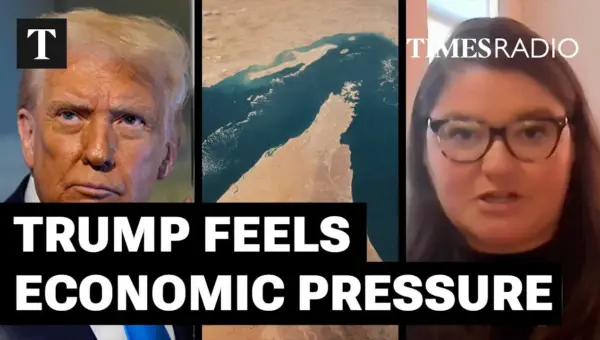
A former Pentagon official warns that the U.S. naval blockade on Iran is causing more economic harm to the U.S. and the world than progress in negotiations. Despite U.S. claims of productive talks, the blockade's effectiveness is questioned, and risks of escalation and casualties remain high. The economic repercussions may outweigh any leverage gained, making it a dangerous gamble.
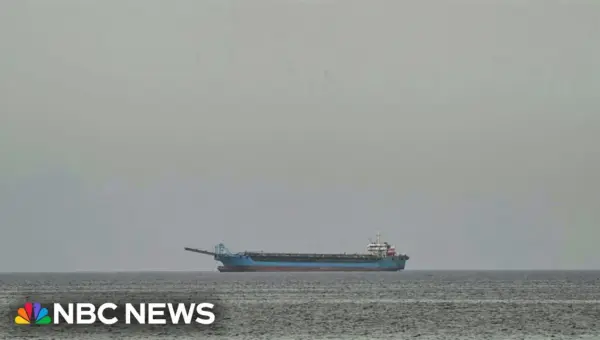
US Blocks Iranian Ports, Sparks Tensions; Severe Weather Hits Midwest
The U.S. has imposed a blockade on Iranian ports, escalating regional tensions and drawing threats of retaliation. Meanwhile, severe weather, including flooding and tornadoes, has struck the Midwest, while a heatwave grips the East Coast. In a major legal development, Live Nation, owner of Ticketmaster, was found liable in an antitrust case, potentially leading to significant changes in ticket pricing.
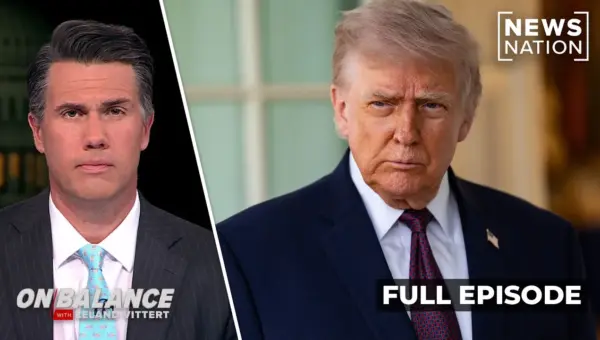
Trump’s Desperate Bid for a Win Amidst Global Tensions
President Trump is seeking a decisive win amidst a public feeling of unease and a complex foreign policy challenge with Iran. The Strait of Hormuz standoff and China's role add significant global tension. Analysts debate perception versus reality, while the upcoming midterms loom.