Small Business Victorious: Supreme Court Overturns Trump Tariffs
The U.S. Supreme Court has declared President Trump's "emergency" import duties illegal, a victory for small businesses like Micro Kids. The ruling overturns a policy that caused significant disruption and financial loss for manufacturers reliant on global supply chains.

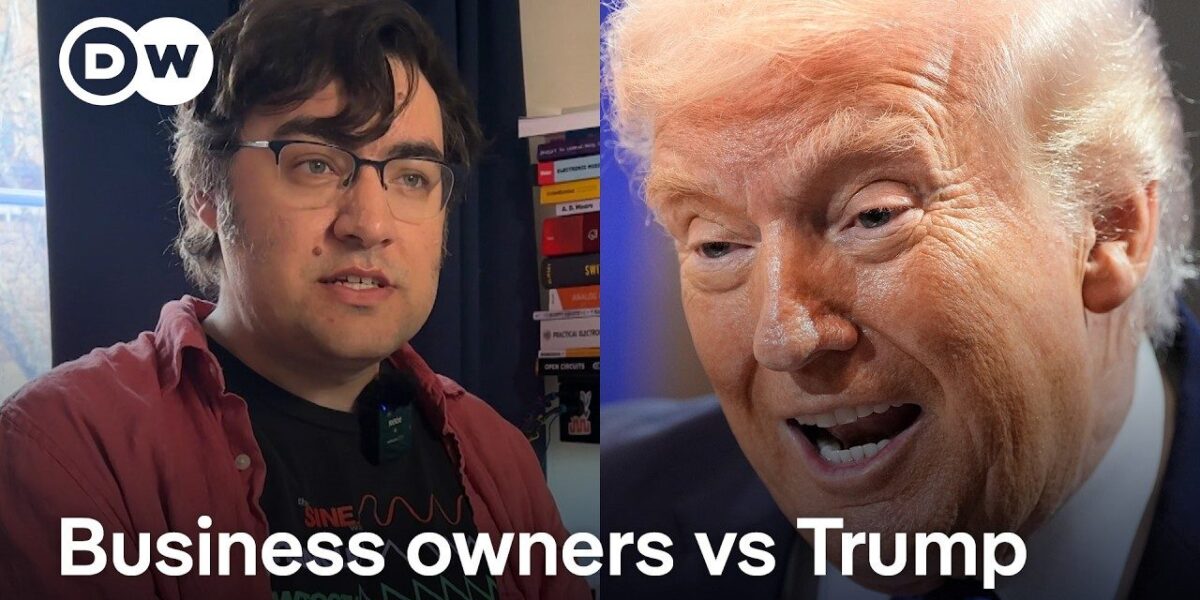
Small Business Victorious: Supreme Court Overturns Trump Tariffs
In a landmark decision, the U.S. Supreme Court has ruled President Trump’s “emergency” duties on global imports illegal, marking a significant victory for small businesses that challenged the sweeping tariff regime. The ruling, delivered on Friday, brings a close to a contentious trade policy that significantly disrupted operations for companies like Micro Kids, a small toy manufacturer based in Virginia.
A David vs. Goliath Battle Against Tariffs
David Levi, founder of Micro Kids, a micro-business with only one other employee, found himself in a precarious position due to the tariffs. He described the emotional toll, stating, “I was in that dark place of like, what is my business going to do? What costs do I cut? How do I go into survival mode? How like do I put my own personal life into survival mode?” Despite the company’s modest size, Levi felt compelled to challenge the administration’s signature policy, which aimed to bolster domestic manufacturing but had the opposite effect on his venture.
Micro Kids specializes in creating synthesizer keyboards designed as educational science kits for children. These kits combine music creation with engineering principles, teaching users about electric circuits. The production process relies on a global supply chain, with components sourced from various countries. “We order all these different parts, 30% from China, 20% from like Taiwan, Thailand, Mexico. We get all these different parts and we bring them all in-house,” Levi explained. The company also utilizes in-house machinery to prepare components for assembly.
Disruption and Economic Fallout
The tariffs, which affected goods from nearly every nation, imposed duties that fluctuated based on U.S. relations with trading partners. While President Trump asserted the taxes would stimulate domestic production and create jobs, the reality for businesses like Micro Kids was starkly different. Levi faced months of import disruptions, as the tariffs made acquiring necessary parts prohibitively expensive. Both importing under soaring prices and seeking domestic alternatives proved financially unfeasible.
The economic consequences for Micro Kids were severe. “Because of all that disruption, I had to cut my workers hours 40%,” Levi reported. “I had to cut her hours by a whole bunch. And and because of that, I made like 3,000 fewer science kit synthesizers than I did the year before. My production went down like 24%.” This reduction in output meant that during the crucial Christmas season, potential customers, both children and hobbyists, were unable to purchase the innovative science projects due to insufficient production.
Wider Impact Across Industries
The impact of Trump’s tariffs extended far beyond the toy industry, affecting a diverse range of businesses. Retailers selling imported goods, such as wine, experienced significant price increases. “You buy a bottle at uh at $20 who were selling it for 30 31 and um now it would like I mean it would be 34 or 35,” one business owner noted. This price hike led to a noticeable shift in consumer behavior, with customers opting for less expensive alternatives. “What we’re finding is a lot of people are coming in feeling very tight financially looking for deals, looking for what’s on sale,” the owner added, observing, “with a fewer percentage of the customers willing to buy the full price.” The rising costs also affected items like books, which often have pre-priced values, leading to significant price increases in the market.
Legal Victory and Lingering Concerns
President Trump controversially dismissed the Supreme Court’s ruling as “ridiculous” and subsequently announced a planned 15% hike in global tariffs for 150 days. While the White House has not yet officially implemented these new duties, Trump’s reaction suggests that the volatility surrounding tariffs may persist. This has left many business owners, including David Levi, with lingering anxieties about the future stability of trade policies.
While Levi expressed relief over the favorable ruling, his primary concern now is the reimbursement of tariffs paid over the past year. “Hopefully, I get to see the money that I paid in tariffs back since apparently I wasn’t supposed to have paid that money in the first place,” he stated. However, he acknowledged that financial reimbursement might not fully compensate for the damage incurred. “I could get the tariff money back, but then all the losses and disruptions that I had because of the chaotic ways that these tariffs are put into place, like I can’t get that back because it’s lost production time, lost opportunities to have my products in stock to send to people. Like, can’t get that back.”
The Road Ahead
The specifics of how and if the administration will reimburse businesses for the tariffs they paid remain uncertain. In the meantime, David Levi is focused on rebuilding Micro Kids and restoring its operational footing. This Supreme Court decision serves as a crucial precedent, highlighting the potential for small businesses to challenge and overcome policies that threaten their viability, even amidst significant economic headwinds and political uncertainty.
Source: How small US businesses fought back against Trump's tariffs – and won | DW News (YouTube)

Related Articles
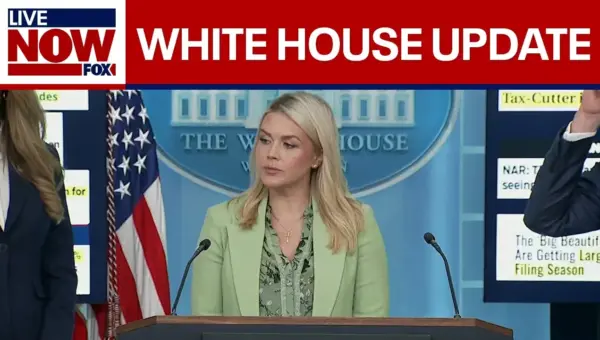
Trump Tax Cuts Deliver Billions Back to Americans
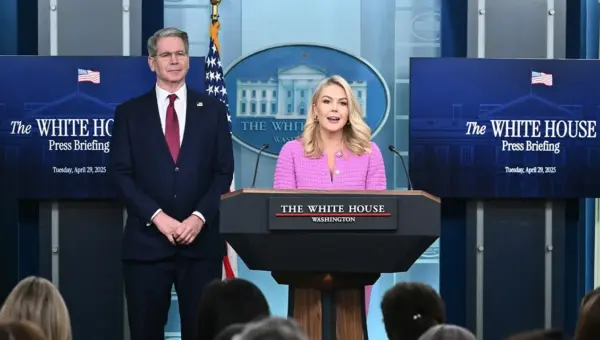
White House officials detailed the success of President Trump's "working families tax cuts" on Tax Day, reporting that over 53 million Americans have claimed significant tax savings and historic refunds. Treasury Secretary Scott Bessant and Small Business Administrator Kelly Leler highlighted benefits for individuals and small businesses, while also addressing economic outlook and international matters.
Tax Cuts Boost Wallets, Fueling Economic Optimism
White House officials highlighted President Trump's "Working Families Tax Cuts," reporting record refunds and significant benefits for small businesses. The administration emphasized that these cuts empower Americans to keep more of their earnings, contrasting their approach with Democratic policies.


New Entrepreneurs Face Shocking Tax Bills
New entrepreneurs are often blindsided by significant tax bills as their businesses become profitable. Understanding self-employment taxes and planning ahead are crucial to avoid financial distress and ensure long-term business success.