Trump: Israel-Lebanon Talks Set for Today Amid Escalating Tensions
President Trump announced that Israel-Lebanon talks are set for today amid escalating Middle East tensions. The U.S. is also increasing economic pressure on Iran, while ongoing military operations continue in southern Lebanon. Diplomatic efforts face significant challenges due to Hezbollah's influence and Iran's nuclear program.

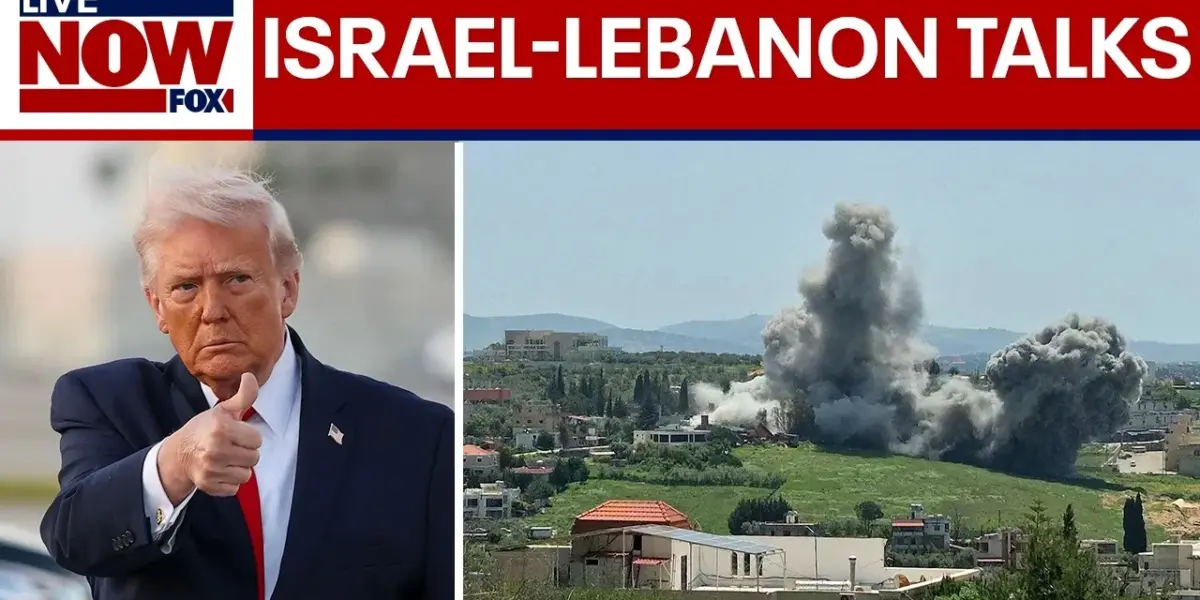
US Eyes Diplomacy Amid Middle East Conflict Escalation
President Donald Trump announced that crucial talks between Israel and Lebanon are scheduled to take place today, aiming to de-escalate rising tensions in the Middle East. This diplomatic push comes as the region faces a significant escalation of conflict, with recent Israeli military actions in Lebanon and ongoing tensions between the U.S. and Iran.
Pentagon Briefing and Diplomatic Maneuvers
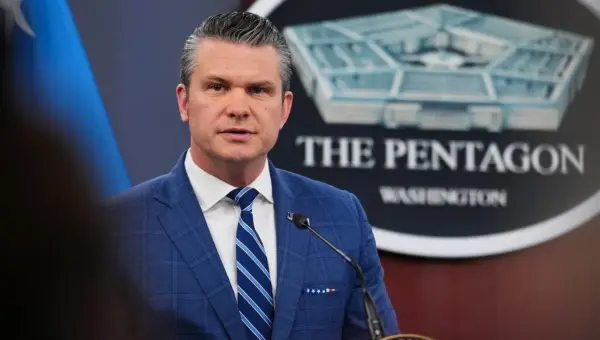
The U.S. military is set to provide an update on “Operation Epic Fury” this morning at 8 a.m. Eastern Time.
Secretary of War Pete Hagseth and General Dan Kaine are expected to address reporters, offering insights into ongoing military operations. This briefing follows a period of intense diplomatic activity, including Pakistan’s army chief meeting with Iran’s foreign minister to ease tensions and arrange further negotiations between the U.S. and Iran.
Economic Pressure on Iran Intensifies
The U.S. Treasury is signaling a tougher stance on Iran, with Secretary Scott Bessent warning of “secondary sanctions” on financial institutions doing business with the nation. Bessent described these measures as the “financial equivalent of a bombing campaign,” highlighting the administration’s intent to increase economic pressure. This strategy aims to push Iran towards compliance on issues like its nuclear program and missile development.
Human Cost in Southern Lebanon
The conflict’s human toll was highlighted by recent Israeli military strikes in southern Lebanon. Wednesday saw three targeted attacks that killed four Lebanese rescue workers and wounded six others, according to reports to the Associated Press. These incidents highlight the dangerous reality for civilians and aid workers amidst the ongoing military campaign against Hezbollah.
Historic Talks and Lingering Challenges
The announcement of renewed Israeli-Lebanese talks follows a significant diplomatic event earlier this week: the first high-level meeting between Israeli and Lebanese officials in Washington D.C. In decades. Seth Franzman, an adjunct fellow at the Foundation for the Defense of Democracies, noted that the mere fact of these discussions is a major success.
“The fact that the two people were in a room together in Washington… That they’re talking, I think that’s extremely important,” Franzman stated.
Hezbollah’s Grip on Lebanon
However, Franzman cautioned that deep divisions remain. Hezbollah, an Iranian-backed group, has long exerted significant influence over Lebanon, threatening officials who engage with Israel. “Hezbollah…
Has had this kind of stranglehold over Lebanon for decades,” Franzman explained. The Lebanese government’s reluctance to confront Hezbollah or disarm its fighters presents a major obstacle to any lasting peace with Israel.
Ground Operations and Disentangling Hezbollah
The Israeli military reports continuing operations against Hezbollah infrastructure in southern Lebanon, dismantling numerous sites and seizing weapons. “IDF soldiers located dozens of weapons.
Among the weapons located were RPGs, rifles, ammunition, grenades, anti-aircraft missile, surveillance equipment, and combat equipment,” an IDF statement detailed. Franzman likened the challenge of removing Hezbollah from Lebanon to Mexico’s struggle with cartels, describing it as “extremely difficult to disentangle this group from Lebanon.” He added that Israel has deployed significant forces into southern Lebanon, but clearing the heavily embedded group requires extensive, house-to-house operations.
U.S.-Iran Negotiations: A Fragile Path
Attention also remains on potential U.S.-Iran talks, with Pakistan acting as a mediator. Previous negotiations in Pakistan reportedly stalled because the sides were too far apart.
“The sides are kind of, you know, a bit far apart,” Franzman said of the initial round. The U.S. seeks guarantees regarding Iran’s uranium enrichment and missile programs, while Iran faces increasing economic sanctions.
The Nuclear Question Looms Large
A key point of contention is Iran’s nuclear program. Franzman outlined the necessary steps for any potential agreement: Iran must fully disclose its enriched uranium stockpiles, allow international inspectors access, and verifiably cease further enrichment.
“Clearly, they can’t have a bomb,” Franzman asserted, emphasizing the need for strict verification to ensure Iran does not pursue nuclear weapons. The U.S. blockade on Iranian ports, as observed with tankers in the Strait of Hormuz, aims to further pressure Iran economically.
Looking Ahead: Strait of Hormuz and Future Talks
Recent data from Marine Traffic indicates that crude carriers are beginning to transit the Strait of Hormuz again, even with the U.S. blockade in place. One vessel, the VLCC AOS Fernurius, made a westward transit after a delay.
The ongoing diplomatic efforts, coupled with economic and military pressures, suggest a complex and uncertain path forward for both Israeli-Lebanese and U.S.-Iranian relations. The next round of talks, if they proceed, will be closely watched for any signs of progress on these critical issues.
Source: Trump says Israel Lebanon talks will happen today (YouTube)

Related Articles

US Navy Blockades Iran, Offers Deal Amid “Operation Epic Fury”
The U.S. Navy has initiated a blockade of Iran's ports and coastline as part of "Operation Epic Fury," aiming to pressure the regime into accepting a deal. The operation involves thousands of personnel and numerous vessels, supported by Treasury's "Operation Seamless" to cut off financial aid. Iran faces a choice between a peaceful future or severe consequences.
Gas Prices To Hit $3 This Summer, Treasury Chief Predicts
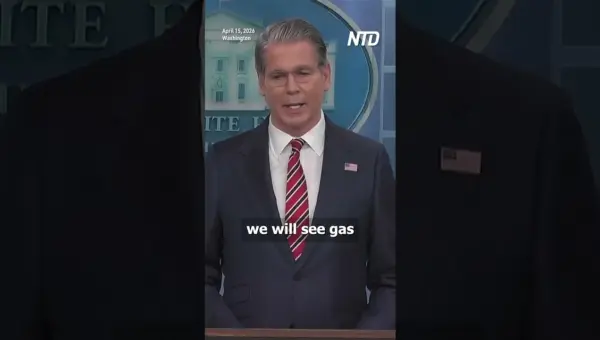
Treasury Secretary Janet Yellen predicts gas prices could fall to $3.00 a gallon this summer. This optimistic forecast depends on successful negotiations and the reopening of the Strait of Hormuz. Lower gas prices would provide financial relief to consumers and help ease inflation.

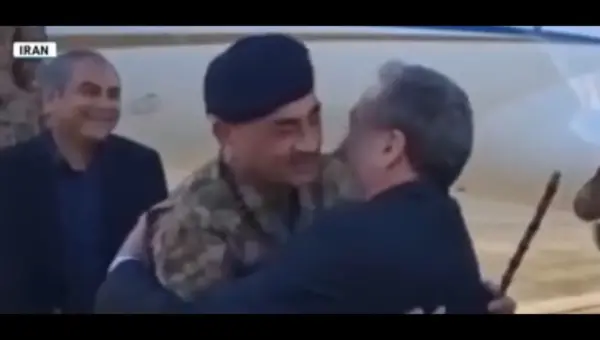
Pakistan Navigates Tehran’s Tense Diplomacy
Pakistani officials are mediating talks between Iran and the US amid rising tensions, while the US also works to calm conflict between Israel and Lebanon over Hezbollah. Israel remains militarily prepared and committed to disarming Hezbollah.