US Navy Blockades Iran, Offers Deal Amid “Operation Epic Fury”
The U.S. Navy has initiated a blockade of Iran's ports and coastline as part of "Operation Epic Fury," aiming to pressure the regime into accepting a deal. The operation involves thousands of personnel and numerous vessels, supported by Treasury's "Operation Seamless" to cut off financial aid. Iran faces a choice between a peaceful future or severe consequences.

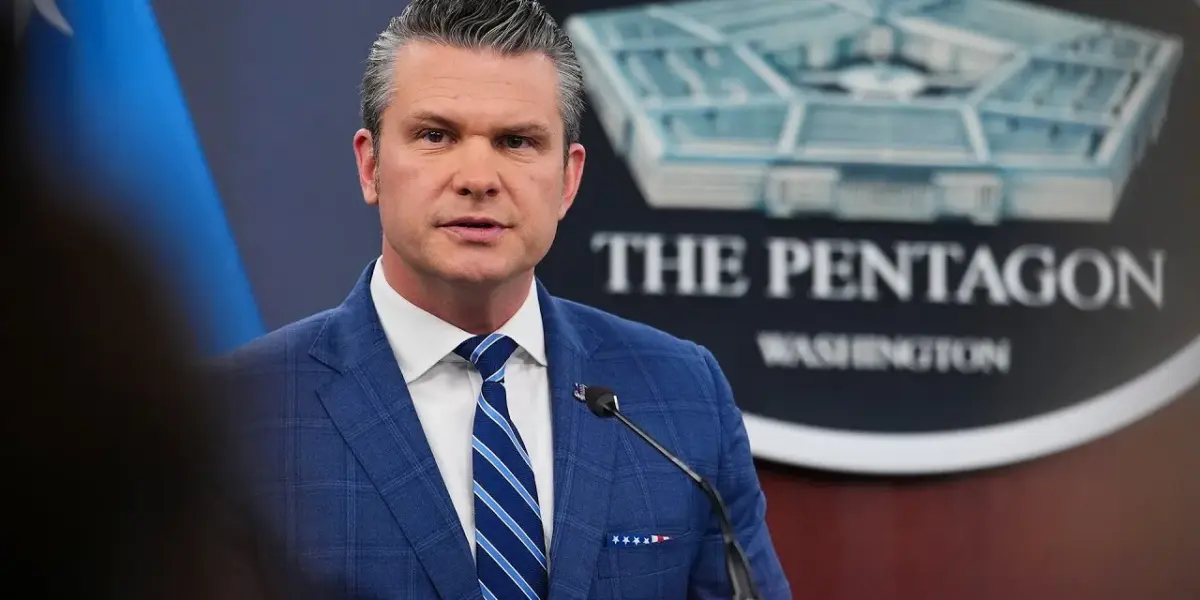
US Navy Blockades Iran, Offers Deal Amid “Operation Epic Fury”
The United States Navy has initiated a blockade of Iran’s ports and coastline as part of “Operation Epic Fury,” a move designed to pressure the Iranian regime into accepting a deal. The operation, launched at the direction of the President, involves over 10,000 sailors, Marines, and airmen, supported by more than a dozen ships and dozens of aircraft. The goal is to control maritime traffic and prevent any nation from providing material support to Iran, including oil shipments.
Admiral Cooper provided an update on the ongoing operations, emphasizing the readiness of U.S. forces. He highlighted the dedication of American sailors, describing them as the backbone of the Navy. These sailors, some as young as 19, are entrusted with operating advanced warships and executing critical missions under constant watch.
Iran’s Choices: A “Golden Bridge” or Devastation
The U.S. military is presenting Iran with a stark choice: a prosperous future or continued confrontation. Chairman of the Joint Chiefs of Staff described a “golden bridge” for Iran to choose a peaceful path.
However, he also issued a strong warning, stating that if Iran chooses poorly, it will face severe consequences. The military’s message is clear: Iran’s ability to rebuild its military is limited, while U.S. capabilities are only growing stronger.
The blockade targets Iran’s critical “dual-use infrastructure,” impacting its energy sector and its ability to control the Strait of Hormuz. The U.S. Navy asserts its dominance in the region, controlling traffic in and out of the vital waterway while Iran’s naval capabilities are significantly outmatched. The operation aims to cripple Iran’s ability to project power and support terrorism.
“Operation Seamless” Targets Financial Support
Alongside the military blockade, the U.S. Treasury Department has launched “Operation Seamless.” This initiative is designed to cut off financial support to Iran, further isolating the regime. The combined military and financial pressure aims to compel Iran to negotiate a favorable deal, preventing it from developing nuclear weapons.
The Treasury’s efforts complement the Navy’s blockade, creating a comprehensive strategy to influence Iran’s decisions. By targeting both its military and financial resources, the U.S. seeks to force a diplomatic resolution to the ongoing tensions.
Military Readiness and Allied Support
Admiral Cooper reported on his recent visits to the Middle East, where he met with U.S. service members. He noted the high morale and focus of the troops, who are operating under challenging conditions. The Admiral also emphasized the strong support from regional allies, including Saudi Arabia and Israel, who are standing with the U.S. in mutual defense efforts.
These allies have been instrumental in supporting the U.S. military objectives, contributing to regional stability. The collaboration highlights a united front against Iranian aggression. The Admiral highlighted that these partners have consistently met and exceeded expectations, demonstrating a shared commitment to security.
Blockade Enforcement and Ceasefire Violations
During the briefing, officials detailed the enforcement of the blockade. Any vessel attempting to cross the line or provide material support to Iran faces warnings and potential use of force. So far, 13 vessels have wisely turned back before reaching the blockade line, and no ships have required boarding.
While a ceasefire is temporarily in place, U.S. forces remain postured to resume major combat operations instantly if the ceasefire is violated. The military is tracking any potential breaches closely. The Chairman mentioned that U.S. Indo-Pacific Command is also involved in the global blockade efforts.
Press Criticism and American Warrior Spirit
One speaker addressed criticism from some segments of the American media, labeling their reporting as “garbage” and “unpatriotic.” He contrasted this with the dedication and resolve of American service members, whom he described as “American warriors.” The speaker urged the press to focus on the positive aspects of the military’s achievements and the spirit of those serving.
He referenced a biblical passage to illustrate how some elites in the past sought to find fault even in acts of goodness. This sentiment was used to criticize what was perceived as a politically motivated negativity in some reporting. The speaker called for a focus on the success and determination being shown by the U.S. military.
Looking Ahead: Iran’s Decision and Future Actions
Iran now faces a critical juncture. The nation must decide whether to accept the offered deal and pursue a path of peace and prosperity or continue on its current course, risking further escalation and severe consequences. The U.S. remains vigilant, ready to enforce the blockade and respond decisively to any actions that threaten regional stability or international security.
The coming days will reveal Iran’s response to the intense pressure. The U.S. military’s posture suggests a sustained commitment to enforcing its demands, ensuring that Iran cannot pursue nuclear ambitions or destabilize the region. The world watches to see if Iran chooses the “golden bridge” or faces the full might of the U.S. response.
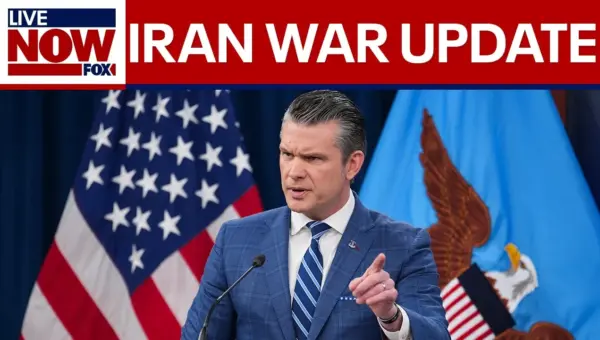
Source: LIVE: Hegseth holds an Iran briefing | NBC News (YouTube)

Related Articles
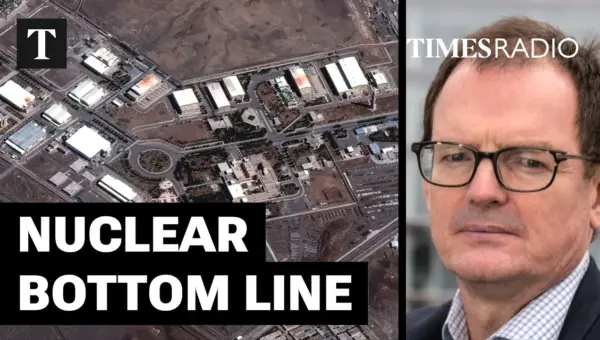
Trump Pursues Iran Nuclear Deal Differently Than Obama
The Trump administration is reportedly seeking a new nuclear deal with Iran, focusing on a total enrichment moratorium, a departure from the 2015 Obama-era agreement. Reports suggest a 20-year freeze, though specifics remain unclear amidst mixed messaging from Washington. Meanwhile, separate U.S.-brokered talks aim for a ceasefire in Lebanon, potentially impacting regional stability.


Hungarian Election Shakes Europe: What It Means Now
Hungary's recent election ousted long-time Prime Minister Victor Orban, signaling a significant shift in European politics. The vote, driven by voter frustration over corruption and isolation, saw Peter Majar's party win decisively. This outcome has major implications for Ukraine and challenges the influence of Trump-aligned movements across Europe.
US Navy Enforces Strict Blockade on Iran Amidst Operation Epic Fury
The Pentagon has provided a detailed update on Operation Epic Fury, highlighting the ongoing U.S. naval blockade of Iran. Officials issued stern warnings to Iran's leadership regarding military disparities and the consequences of non-compliance. Alongside military pressure, Operation Economic Fury aims to maximize economic sanctions against the nation.