Economy Roars Back as Regulations Fall Away
Tax cuts and deregulation are fueling economic growth, with wages now outpacing inflation. This "boot off the throat of the economy" approach is leading to increased productivity and more money in Americans' pockets. The focus is on empowering businesses and individuals, reducing government intervention.

Economy Roars Back as Regulations Fall Away
Tax day often brings questions about how much money the government holds onto. This year, many Americans are seeing larger refunds, partly due to changes in tax law that became retroactive to the start of 2025.
These changes, including no tax on tips and Social Security, plus a higher standard deduction, mean more money stays in people’s pockets. Many employers didn’t adjust withholding tables, leading to a significant windfall for taxpayers.
This unexpected boost, averaging $3,500, acts as a boon for consumers and families. While it’s a nice surprise, individuals can work with their HR departments to adjust their withholding. This could mean getting more money in each paycheck throughout the year, rather than a large lump sum refund later.
Tax Cuts Fueling Economic Growth
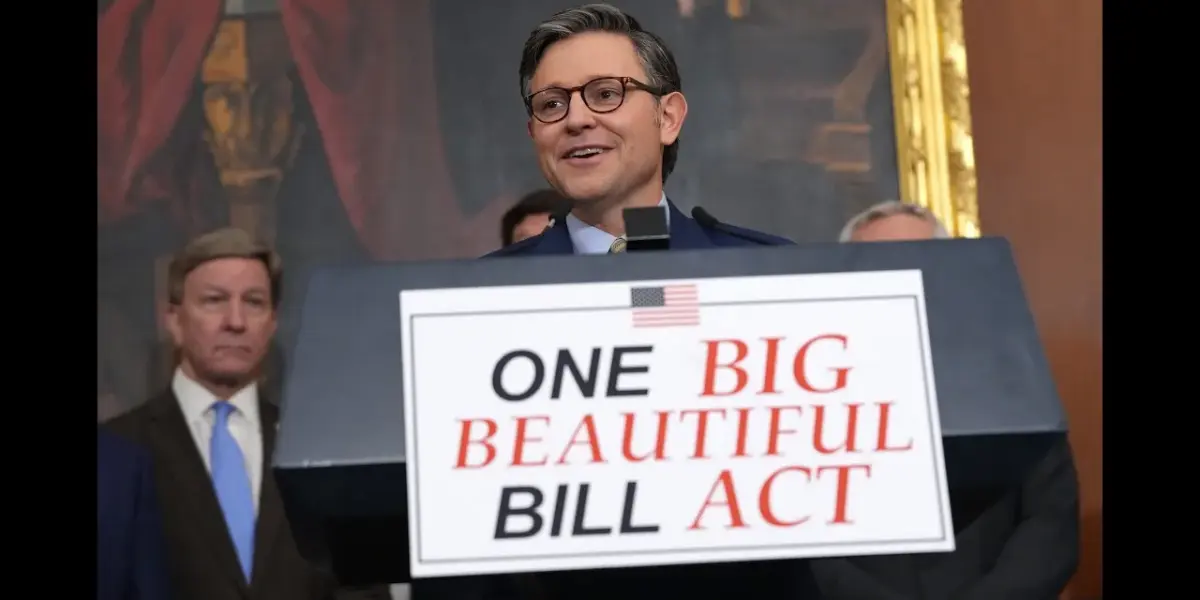
The “one big beautiful bill” aimed to boost economic productivity, and early signs suggest it’s working. Growth numbers are strong, but looking at productivity reveals a deeper benefit.
The bill encourages investment in research and development and allows companies to fully deduct the cost of capital purchases immediately. This means businesses can invest in automation and new systems, making them more efficient even if hiring more people isn’t immediately possible.
This focus on investment leads to higher wages, increased profits, and greater productivity. These are the key ingredients for sustained economic growth and overall success. The policy appears to be fostering a more dynamic and efficient business environment.
Wages Outpace Inflation, Making Americans More Affordable
A common concern is the rising cost of living. Many people feel they are struggling to afford goods.
However, when comparing wage increases to inflation, wages are growing faster. This means Americans are taking home more money than before, allowing them to manage the higher prices of goods and services.
The tax bill has helped businesses lower prices on certain items. Egg prices, for example, have dropped significantly, moving from a crisis point last year to much more affordable levels now. This is partly because regulations have been reduced, allowing businesses to operate more freely and work with, rather than against, the private sector.
Tax Cuts Benefit All Income Levels
The idea that tax cuts only benefit the wealthy is challenged by recent policy. For households earning up to $73,000, there is now no federal income tax.
This is a direct result of the benefits included in the tax legislation. It frees up money for families, potentially allowing them to start or grow businesses, or simply increase their personal prosperity.
This approach offers opportunities for upward mobility rather than relying on government welfare programs. It emphasizes personal initiative and the chance to build wealth. The administration is presenting this as a path toward greater financial independence and success for more Americans.
Government’s Role: Get Out of the Way
When considering the government’s role in the economy, the prevailing idea is that it should step back. The current system involves cutting many regulations, with estimates suggesting over 120 regulations are removed for every one new one added. This indicates a significant shift away from heavy government intervention.
The best approach for government is to trust consumers and states. Allowing states to compete with each other, rather than imposing a heavy hand from Washington, D.C., can lead to better outcomes.
If one state implements successful policies, others can learn from it, and people can choose to move to areas that best suit their needs. The federal government should remove its influence that hinders business investment and growth.
Why This Matters
The current economic strategy appears to be creating a more favorable environment for businesses and individuals. By reducing regulations and cutting taxes, the aim is to spur investment, increase productivity, and boost wages. The focus is on empowering the private sector and allowing market forces to drive growth, rather than relying on government intervention.
This approach contrasts with previous economic policies that may have led to higher inflation and slower growth. The emphasis on deregulation and tax relief suggests a belief that less government interference leads to greater economic prosperity. The results, such as lower inflation and increased wages, are seen as direct benefits of this strategy.
Implications and Future Outlook
The trend toward deregulation and tax reduction could have long-term effects on how businesses operate and how individuals manage their finances. If this strategy continues, we might see further increases in productivity and wage growth. It could also lead to greater competition among states as they try to attract businesses and residents with favorable policies.
However, it’s also important to consider potential challenges. While deregulation can boost efficiency, it also requires careful oversight to ensure consumer protection and environmental safety. The long-term impact on income inequality and the distribution of wealth will also be a critical factor to monitor as these policies continue.
Historical Context
The idea of reducing government’s role in the economy has roots in various economic philosophies, including supply-side economics. This perspective suggests that lowering taxes and reducing regulation encourages businesses to produce more goods and services, which in turn benefits society. Historically, periods of deregulation have often been associated with economic booms, but also sometimes with increased financial instability.
The current approach echoes some of the policies seen in the 1980s, with a focus on tax cuts and deregulation. The effectiveness of these policies is often debated, with supporters pointing to periods of growth and critics highlighting potential downsides like increased debt or market volatility. The debate over the proper role of government in the economy is a long-standing one.
Looking Ahead
The current administration’s focus on pro-growth policies, including tax reform and deregulation, is set to continue. The emphasis on letting the market and individual states lead the way suggests a belief in decentralized economic decision-making. This approach aims to create an environment where businesses can thrive and individuals can achieve greater prosperity.
As the economy moves forward, key indicators to watch will include inflation rates, wage growth, and overall productivity. The success of this framework will ultimately be judged by its ability to deliver sustained economic benefits for a broad range of Americans. The upcoming months will provide further data on the impact of these policies.
Source: ‘We’ve Taken the Boot Off of the Throat of the Economy’: Finance Expert (YouTube)

Related Articles

Tax Refunds Bolster Economy, But Inflation Woes Linger
The Trump administration is promoting increased tax refunds as a key economic benefit, aiming to boost consumer spending and frame tax season positively. While the stock market shows strength, persistent inflation and high living costs present ongoing challenges for American households.

US Blockade Cripples Iran; Tax Cuts Boost Americans
The U.S. has imposed a naval blockade on Iranian ports, aiming to cripple its economy and fund for military operations. Simultaneously, President Trump's tax cuts are reportedly benefiting millions of Americans, with average refunds exceeding $3,400. Meanwhile, the IRS claims a successful tax filing season, though lawmakers remain critical of agency performance.


Markets Rally as Investors Bet on End to Iran Conflict
Major stock markets surged to record highs as investors anticipate an end to the conflict in Iran. While oil prices have fallen, consumers may see gasoline prices drop to $3 by September. However, diesel and food prices are expected to decline more gradually.