China Aids Iran, Trump to Confront Xi on Trade
President Trump plans to discuss China's alleged support for Iran with President Xi Jinping at an upcoming summit. Reports indicate Iran has used Chinese spy satellites, and concerns exist over dual-use technology transfers. U.S. actions to limit Iran's oil exports aim to pressure China, a key energy partner.

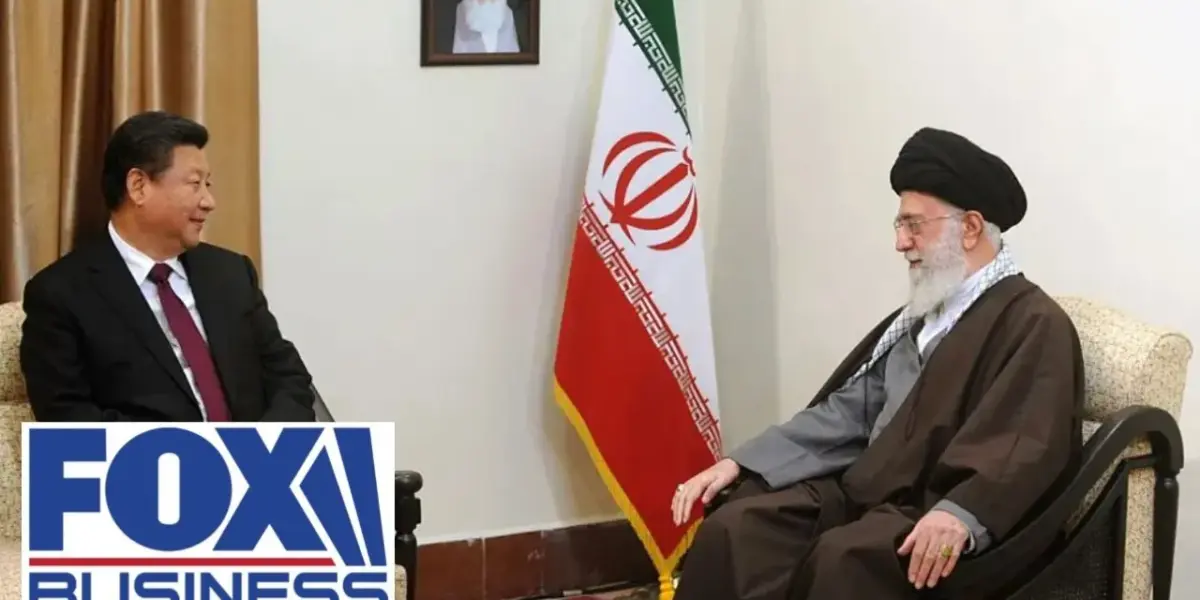
Trump Prepares to Confront China on Iran Ties at Upcoming Summit
President Trump is set to discuss China’s alleged support for Iran with Chinese President Xi Jinping at an upcoming summit. Reports suggest Iran has used Chinese spy satellites to track American military bases in the region. This comes as the U.S. continues to pressure Iran by limiting its oil exports.
The U.S. strategy aims to impact China directly, as Iran is a significant crude oil supplier. China relies on Iran for about 11% of its crude oil, making it the third-largest supplier behind Russia and Saudi Arabia. Cutting off Iran’s oil exports therefore directly affects China’s energy needs.
Intelligence Concerns Mount Over Dual-Use Technology
There are ongoing reports that China has been providing Iran with components for missile pads and dual-use equipment. This technology can be used for both civilian and military purposes, potentially aiding Iran’s missile and drone programs. The U.S. intelligence community is in a phase of mistrust and verification regarding China’s actions.
Collecting intelligence is crucial to confirm if China continues to supply Iran with military-grade technology. Even if China is not currently providing weapons, the transfer of dual-use technology is a significant concern. A full accounting of these transfers is needed to improve the effectiveness of U.S.-China relations.
Strait of Hormuz Blockade Creates Leverage
The U.S. blockade of Iranian ports is still in its early stages, but it is demonstrating the ability to create leverage against Iran and its supporters, including China. Projecting military power strategically can yield significant gains for the United States.
This show of force makes economic life more difficult and expensive for China. Simultaneously, the U.S. military is working to combat narco-terrorists and conduct strikes in the Eastern Pacific. This demonstrates a capacity to project force in the Western Hemisphere while managing threats in the Middle East.
Market Impact: Oil Prices and Geopolitical Risk
The ongoing tensions between the U.S. and Iran, with China potentially involved, directly impact global energy markets. Iran’s position as a major oil supplier means disruptions or sanctions can lead to price volatility. Investors closely watch these geopolitical developments as they can affect oil prices and the broader stock market.
China’s reliance on Iranian oil makes it vulnerable to supply chain disruptions. Any escalation of tensions could lead to higher energy costs for China, impacting its economic growth and global trade. This also increases geopolitical risk, which can make investors more cautious.
What Investors Should Know
Investors should monitor the upcoming summit between President Trump and President Xi Jinping for any developments regarding China-Iran relations. Keep an eye on reports from intelligence agencies and major news outlets concerning the flow of technology and weapons to Iran.
The U.S. strategy of applying economic pressure on Iran, potentially impacting China’s energy supply, could lead to shifts in oil prices and energy stocks. Geopolitical tensions often create uncertainty, which can lead to market fluctuations. Understanding these connections is key for navigating the current investment climate.
Looking Ahead
The U.S. military’s demonstrated ability to project power in multiple regions simultaneously highlights its strategic capabilities. Continued intelligence gathering and strategic actions will be key in managing these complex geopolitical relationships and their impact on global markets.
Source: China has been helping Iran since the 1980s, former CIA station chief says (YouTube)

Related Articles


Pakistan Navigates Tehran’s Tense Diplomacy
Pakistani officials are mediating talks between Iran and the US amid rising tensions, while the US also works to calm conflict between Israel and Lebanon over Hezbollah. Israel remains militarily prepared and committed to disarming Hezbollah.

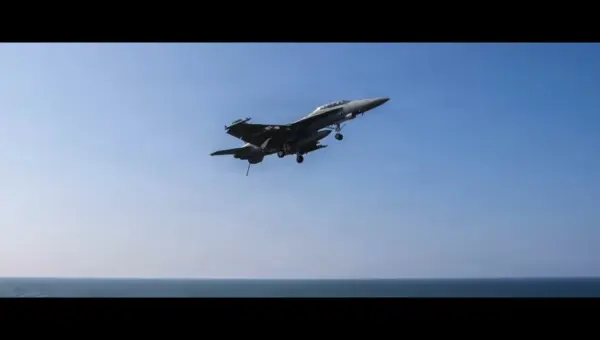
China’s Spy Satellite Aided Iran’s Attacks on US Bases
A new report reveals Iran has used a Chinese spy satellite to monitor US military bases in the Middle East, potentially aiding in recent attacks on American warplanes. Leaked documents suggest Iran purchased the satellite, which significantly outperformed its own capabilities, raising concerns about China's role in regional conflicts.
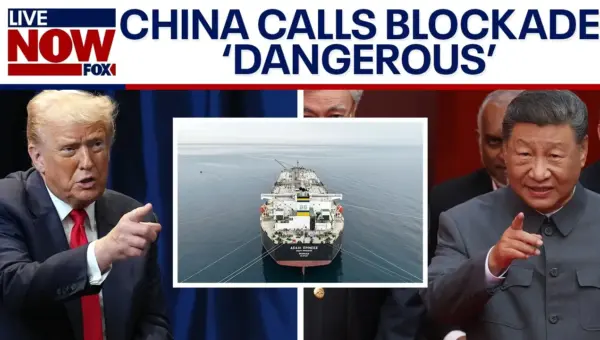
China Agrees Not to Send Weapons to Iran, Trump Claims
President Trump claims China has agreed to stop sending weapons to Iran, a move aimed at increasing pressure on Tehran. The U.S. is also tightening economic sanctions and enforcing a naval blockade on Iranian ports. Diplomatic talks are ongoing as a ceasefire nears its expiration.