Congress Faces Reckoning: Politics Fuels Resignations Over Misconduct
Recent resignations in Congress, driven by sexual misconduct allegations, reveal a complex interplay of ethics and political strategy. While calls for transparency grow, departures appear politically motivated to maintain party balance, highlighting a slow path to reform.

Congress Faces Reckoning: Politics Fuels Resignations Over Misconduct
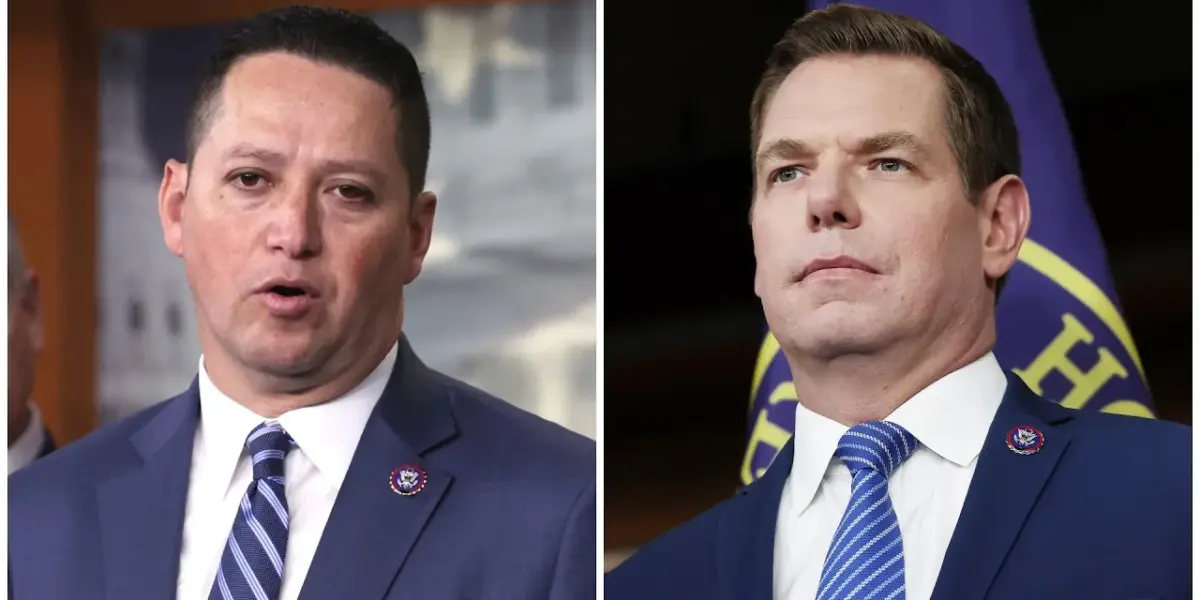
Recent resignations by Representatives Eric Swalwell and Tony Gonzales, both facing allegations of inappropriate sexual behavior, have narrowed the Republican majority in the House to a slim 217-213 margin. This situation, while highlighting serious misconduct, also exposes the complex political calculations driving such departures, rather than a pure commitment to ethical standards.
Transparency and Prevention Efforts Lag
The allegations against Swalwell and Gonzales raise important questions about accountability and transparency within Congress. Advocates like Representatives Nancy Mace and Anna Paulina Luna have been pushing for greater openness regarding funds paid to victims of sexual harassment. However, these efforts have often met resistance, suggesting a reluctance to expose internal issues.
The current situation, with multiple high-profile cases and the possibility of more emerging, could force Congress to confront these issues more directly. The public spotlight intensifies the pressure to address unacceptable behavior, especially when it involves staffers who are often young individuals starting their careers.
A Pattern of Behavior, Not a New Problem
Allegations of sexual misconduct in politics are not new. History shows numerous scandals, such as those involving the Clinton administration, where similar accusations surfaced. The current resignations, while serious, appear to be driven by a political calculus that allows both parties to address the issue simultaneously without significantly altering the balance of power.
The fact that both a Democrat and a Republican resigned on the same day suggests a coordinated effort. This move ensures that neither party gains a significant political advantage or disadvantage from these departures. If only one party had been involved, the pressure to force a resignation might have been absent.
The reason that both of these members were forced out is because you had one on each side so that both parties could get behind it so that it didn’t change the dynamic of representation in Congress. If it would have been just one party, you probably wouldn’t have had the push to remove them.
Political Expediency Over Ethics
The case of Tony Gonzales, where there was talk of him remaining until the end of his term despite serious allegations, including a staffer’s suicide, highlights this point. His departure, along with Swalwell’s, seems to have been a politically convenient solution for both parties. This suggests that the timing and nature of these resignations are less about immediate justice and more about managing political fallout.
For Swalwell, the situation was complicated by California’s primary elections. Political strategists may have seen his removal as necessary to influence the outcome of those races. This demonstrates how political calculations, rather than purely ethical considerations, can dictate the pace and outcome of accountability measures.
The Push for Reform
While political maneuvering seems to be a primary driver, there is a genuine call for reform. Lawmakers are seeking new legislation, stricter penalties, and increased transparency regarding sexual harassment within Congress. The Me Too movement has brought these issues to the forefront for years, yet significant legislative changes have been slow to materialize.
The recent resignations, however, might provide the necessary momentum for these reforms. Representatives like Mace and Luna are leading the charge, and increased public attention could translate into greater support for their initiatives. The hope is that this moment will not fizzle out, as past reform efforts have.
Impact on the House Agenda
The narrow Republican majority, now further reduced by these resignations, creates a precarious situation for the party’s legislative agenda. Internal divisions, with members like Thomas Massie opposing certain measures, make it difficult to pass key legislation. The upcoming vote on FISA Section 702 is a prime example, where even a few Republican dissenters could block the bill if Democrats unite against it.
The upcoming special elections to fill these vacant seats, followed by the general midterms, will be critical. Currently, economic conditions and the ongoing war are seen as factors that could favor Democrats. However, any improvement in the economy or resolution of international conflicts could shift the political landscape back in favor of Republicans.
Why This Matters
This situation is more than just a political drama; it’s a reflection of how power dynamics and self-preservation can influence ethical conduct and accountability in public service. The public deserves to know that their representatives are held to the highest standards, regardless of political affiliation. The slow pace of reform suggests a system that is more adept at managing crises than proactively preventing them.
Implications and Future Outlook
The immediate future of the House majority remains uncertain, with a tight margin making legislative action challenging. The upcoming elections will determine whether this narrow majority can be maintained or if control will shift. The ongoing debate around transparency and accountability will likely continue, with potential for new legislation to emerge from the current pressure.
The long-term outlook depends on whether Congress can move beyond political expediency and implement meaningful reforms. The public’s trust is at stake, and a failure to address these issues decisively could have significant consequences in future elections and the public’s perception of government integrity.
Special elections to fill the seats in California and Texas are expected to be called soon, with the midterms looming as a critical juncture for both parties. The political calculations made today will undoubtedly shape the legislative battles and electoral outcomes of tomorrow.
Source: There Are Political Calculations Behind Representatives’ Resignations Amid Sexual Assault Allegation (YouTube)

Related Articles


Ilhan Omar Urges Dems to Engage MAGA Voices
Representative Ilhan Omar is calling for Democrats to engage with disillusioned voters within the MAGA movement, even those who support controversial figures like Marjorie Taylor Greene. This strategy aims to broaden the party's coalition and improve election results by reaching out to a wider base of potential supporters. While potentially beneficial for expanding reach, the approach faces significant challenges in appealing to diverse voter groups and navigating political sensitivities.

Swalwell’s Capitol Hill Conduct: An Open Secret No More
Congressman Eric Swalwell's resignation followed years of 'open secret' allegations about his conduct. His staff's distrust and a formal expulsion motion finally brought the issue to light, raising questions about accountability in Washington.

Congress Faces Reckoning: Expulsions Expose Deep-Seated Corruption
Congressional expulsions are exposing alleged misconduct and taxpayer-funded cover-ups, raising calls for greater accountability. Efforts to reveal 'slush funds' for settlements are facing resistance, but public pressure is driving some transparency. This moment could signal a crucial shift towards ethical governance in Washington.