Tornado Fury Unleashed: Plains and Midwest Face Stormy Onslaught
Devastating tornadoes, giant hail, and hurricane-force winds have struck the Plains and Midwest, leaving communities in ruin. Forecasters warn of more severe storms to come, while a super typhoon batters the Mariana Islands, highlighting a global trend of extreme weather.

Tornado Fury Unleashed: Plains and Midwest Face Stormy Onslaught
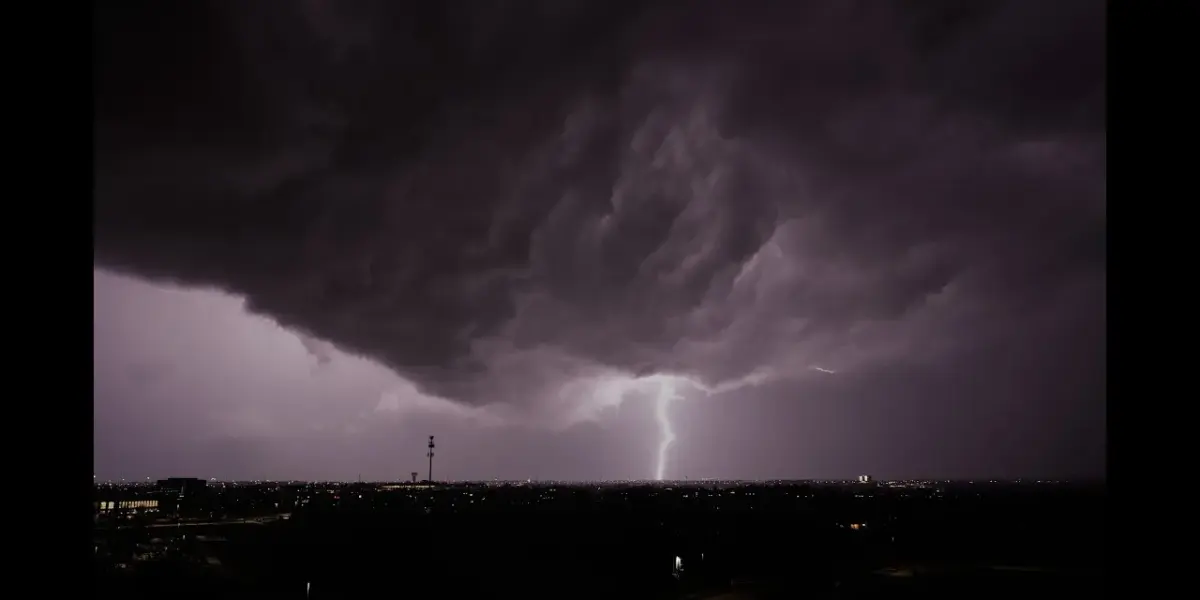
A massive outbreak of severe weather has torn through the heartland of America, bringing with it a barrage of tornadoes, giant hail, and destructive winds. Communities across the Plains and Midwest are reeling from the powerful storms that have swept through the region, leaving a trail of damage and uncertainty in their wake. The sheer speed and ferocity of these systems have caught many off guard, highlighting the unpredictable nature of extreme weather events.
Reports of tornadoes have been flooding in from multiple states, with forecasters warning that the threat is far from over. These twisters, characterized by their violently rotating columns of air, can cause catastrophic destruction in their paths. The damage left behind by even a single tornado can be devastating, impacting homes, businesses, and lives.
Giant Hail and Hurricane-Force Winds Strike
Beyond the tornadoes, the storms have unleashed other dangerous phenomena. Large hail, some pieces reportedly as big as tennis balls, has pummelled parts of Wisconsin, causing significant damage to vehicles, roofs, and infrastructure. Imagine hailstones the size of golf balls pelting your car; now imagine them being even larger, capable of smashing windshields and denting metal with ease.
Adding to the chaos, powerful wind gusts, some nearing hurricane force, have been ripping through the affected areas. These extreme winds are strong enough to topple large trees, snap power lines, and cause widespread disruptions to travel and daily life. The loss of power can leave communities in the dark for days, complicating recovery efforts and adding to the stress of the situation.
Another Round of Severe Storms Expected
Forecasters are issuing stern warnings that this is not a one-time event. Another round of severe storms is expected to move through the region, meaning the danger is ongoing.
This persistent threat requires constant vigilance from residents and emergency services alike. The ability to predict and prepare for these recurring events is crucial for minimizing harm.
Global Weather Extremes: A Typhoon’s Path
Meanwhile, across the Pacific, a powerful super typhoon has been battering the Northern Mariana Islands. This immense storm system, named Saipan, has brought devastating winds of up to 150 miles per hour. The sheer force of the typhoon has torn roofs off buildings, leaving structures exposed to the elements and rendering them uninhabitable.
The typhoon has also caused significant flooding across the island, further compounding the damage. Flooding can be just as destructive as wind, damaging homes from the ground up and posing serious risks to public health and safety. The dual threat of high winds and torrential rain makes these typhoons particularly dangerous.
Why This Matters
The convergence of severe storms in the United States and a super typhoon in the Pacific highlights a growing concern about the increasing intensity and frequency of extreme weather events globally. Scientists point to changes in climate as a significant factor influencing these patterns. Warmer ocean temperatures can fuel more powerful storms, while shifts in atmospheric conditions can lead to more volatile weather systems.
Understanding these events is not just about reacting to immediate damage; it’s about preparing for a future where such extreme weather may become more common. This requires investing in better forecasting technology, strengthening infrastructure to withstand severe impacts, and developing comprehensive emergency response plans. The economic and human costs of these disasters are substantial, making proactive measures essential.
Historical Context and Background
Severe weather outbreaks are not new to the Plains and Midwest. This region has historically been prone to tornadoes and strong thunderstorms due to its unique geography, often referred to as Tornado Alley. However, the intensity and scale of recent events are prompting a closer look at potential contributing factors beyond natural variability.
Similarly, typhoons and hurricanes are natural phenomena that have always affected coastal regions. The concern now is whether the patterns are changing, leading to stronger storms or storms that track into areas not typically affected. This ongoing scientific discussion is vital for informing public policy and preparedness strategies.
Implications, Trends, and Future Outlook
The immediate implication for the affected communities is the need for robust recovery efforts. This includes providing shelter, food, and medical assistance to those displaced or injured, as well as beginning the long process of rebuilding damaged infrastructure. The psychological toll on survivors also requires significant attention and support.
Looking ahead, the trend of increasingly severe weather events suggests a need for greater investment in climate resilience. This means building communities that are better equipped to handle the impacts of extreme heat, heavy rainfall, strong winds, and other weather-related hazards. The future outlook calls for a proactive approach rather than a reactive one.
The ongoing threat from these powerful storms is a clear reminder of nature’s power. As these systems continue to move, residents are urged to stay informed about weather alerts and to follow the guidance of local emergency officials. Preparedness remains the most effective tool against the fury of severe weather.
Source: Severe Storms, Tornadoes Impact Communities From the Plains to the Midwest (YouTube)

Related Articles


Severe Weather, Live Nation Ruling, Market Highs Dominate News
Millions are under severe weather alerts across the U.S., facing tornadoes, hail, and a looming heatwave, while a jury ruled Live Nation/Ticketmaster an illegal monopoly. The stock market hit record highs, but gas prices remain elevated, and diplomatic efforts continue amid tensions with Iran. Meanwhile, a Texas judge ordered parts of Camp Mystic closed pending investigation into the fatal floods.
Midwest Storms Unleash Tornadoes, Flooding, and Major Damage
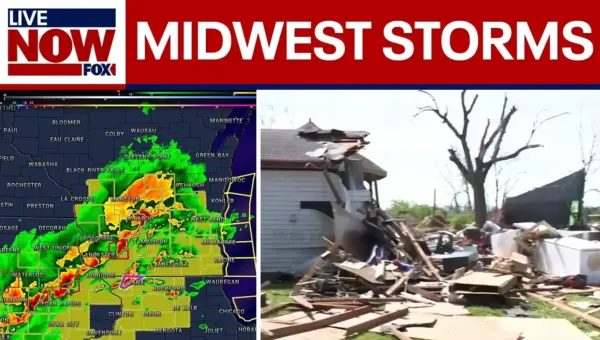
Severe storms, including tornadoes and high winds, have caused widespread damage across the Midwest, from Kansas to Michigan. Residents are dealing with destroyed homes, downed power lines, and significant flooding. Cleanup efforts are underway as authorities assess the full extent of the destruction.

Tornadoes Rip Midwest; Floods Force Evacuations
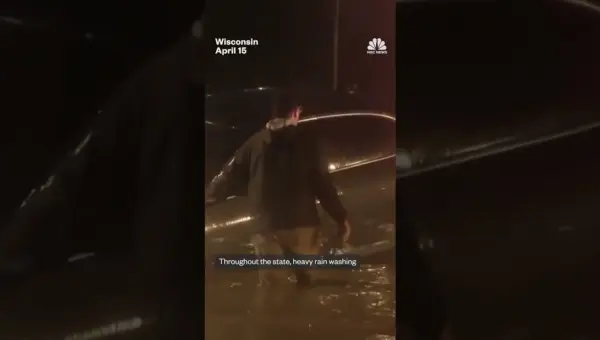
Powerful tornadoes and severe flooding have struck the Midwest, causing widespread damage and forcing evacuations. In Wisconsin, rising waters led to urgent orders for residents to leave their homes. Meanwhile, Kansas is beginning a massive cleanup effort after tornadoes with winds up to 125 mph tore through several towns.