China’s Exports Weaken: Global Demand Falters Amidst Conflict
China's export growth slowed sharply in March, rising only 2.5% and falling below expectations. This is partly due to companies shipping goods early and seasonal factors, but also reflects weakening global demand and trade tensions, particularly with the U.S. While exports to other regions remain solid, the slowdown signals shifting economic momentum.

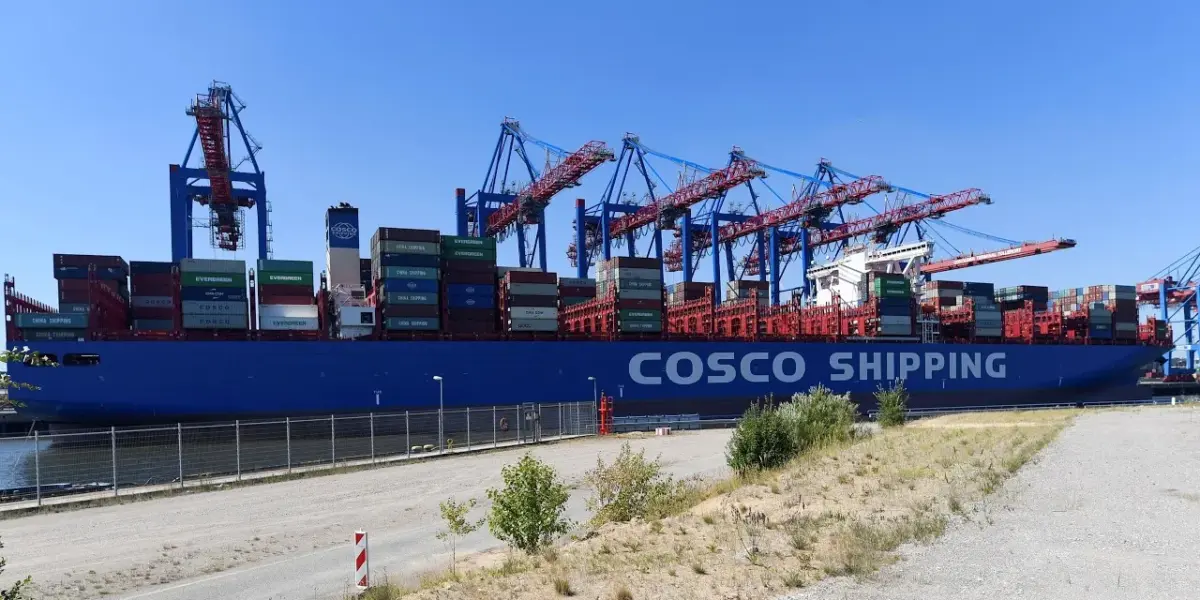
China’s Export Growth Slows: A Sign of Shifting Global Tides
China’s export growth has slowed significantly in March, showing a 2.5% increase year-over-year. This brings the total value of exports to about $320 billion, a pace much slower than expected and the weakest seen in five months. This slowdown suggests a change in how the world’s second-largest economy is performing.
This dip follows an earlier strong performance this year. That surge was partly because companies sent more goods out before potential tariffs took effect. Seasonal events, such as the Lunar New Year holiday, also played a role in boosting earlier figures.
Key Markets Show Mixed Results
Shipments to the United States have dropped considerably, falling by over 16%. This decline is the biggest reason for the weaker overall trade numbers for China. It highlights ongoing trade disagreements between the two economic giants.
However, exports to other important regions are still strong. Shipments to Europe and various Asian countries have held up well. This indicates that the slowdown is not uniform across all of China’s trading partners.
Factors Behind the Slowdown
Experts point to several reasons for this change in export performance. These include continuing trade tensions, the usual seasonal patterns in trade, and changes in what the rest of the world is buying. The ongoing conflict in Iran, often referred to as the Iran War in economic discussions, is also chilling global demand, making countries buy fewer imported goods.
This situation is like a store seeing fewer customers because people are worried about their own jobs or the economy. When people feel uncertain, they tend to spend less on new items.
Why This Matters
China’s exports are a major driver of its economic growth. A slowdown here can affect jobs and businesses within China.
It also sends signals about the health of the global economy. If China, a major supplier to the world, is selling less, it suggests that other countries are buying less, which can indicate broader economic challenges.
The International Monetary Fund (IMF) has adjusted its forecast for China’s economy. It now expects China to grow about 4.4% in 2026. While still growth, this is a more cautious outlook compared to previous predictions.
Looking Ahead: Trends and Outlook
The trend of slowing exports, especially to the U.S., is likely to continue as long as trade tensions persist. Global events, like the conflict in the Middle East, also add to economic uncertainty. This makes businesses and consumers hesitant to spend.
Countries are looking for ways to make their economies more stable. This might mean relying less on exports and more on what people inside their own country buy. China itself is also trying to boost its domestic market.
Historical Context
For decades, China’s economy grew rapidly by becoming the world’s factory, producing goods for export. This strategy lifted millions out of poverty and made China a global economic powerhouse.
However, this export-led growth model has faced challenges. Countries have become more aware of their reliance on Chinese manufacturing. Trade disputes, like those with the U.S., have been ongoing for years, pushing companies to rethink their supply chains.
The current slowdown is part of a longer-term shift. China is trying to move towards a more balanced economy, driven by domestic consumption and higher-tech industries, rather than just cheap exports.
The IMF’s revised forecast for China’s growth highlights these ongoing adjustments. The world economy is always changing, and China’s role in it is evolving too.
The next report on China’s trade figures will be released in May, offering more insight into these trends.
Source: Chinese Export Growth Slows Sharply as Iran War Chills Global Demand (YouTube)

Related Articles

US Oil Exports Soar Past $100 as Iran Sanctions Loom
US crude exports are surging to record highs as global demand increases and sanctions loom over Iran. This shift is pushing oil prices above $100, with potential impacts on domestic energy costs.


Canada’s Economy Stumbles: A Productivity Crisis
Canada's GDP per capita has fallen significantly relative to the U.S., driven by a protected economy, a housing market focused on existing properties, and a 30-year productivity gap. The Bank of Canada calls it a 'productivity emergency,' a warning for other developed nations.

Oil Shocks Fuel Recession Fears, Markets Wobble
Soaring oil prices are rattling global markets, pushing major indices toward correction territory and sparking fears of a recession. Experts warn that prolonged energy shocks, particularly concerning the Strait of Hormuz, could severely impact economic growth. Investors are advised to maintain diversified portfolios and cash buffers.