China Tests US Resolve in Hormuz Strait Standoff
Amidst rising tensions in the Strait of Hormuz, China is reportedly testing the U.S. administration's resolve through actions involving Chinese-owned vessels. This strategic probing, experts suggest, aims to gauge American commitment and potentially gain leverage ahead of upcoming U.S.-China summits. The situation highlights China's complex geopolitical maneuvering and its long-standing relationship with Iran.

China Tests US Resolve in Hormuz Strait Standoff
Mixed signals are emerging from the Strait of Hormuz, a vital global shipping route. Following Iran’s earlier blockade, the U.S. has now imposed its own, aiming to pressure Tehran.
Amidst this tension, China appears to be testing the limits of the Trump administration’s commitment to enforcing these measures, particularly concerning Chinese-owned vessels. The situation raises questions about China’s strategic interests and its complex relationship with both Iran and the United States.
A Ship Becomes a Symbol
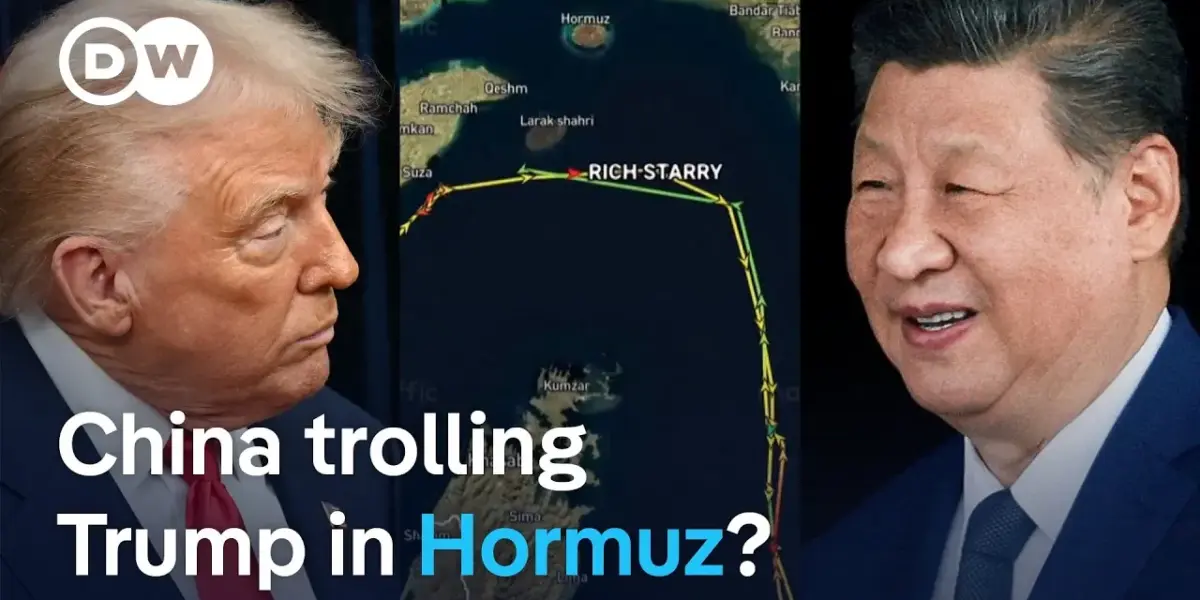
The trajectory of a single vessel, the “Rich Stary,” has become emblematic of this evolving conflict. Although flying the flag of Malawi, the ship is owned and crewed by China. It was observed passing through the Strait of Hormuz on a Monday.
Shortly after, it turned back, seemingly to avoid potential confrontation with the U.S. Navy. This move is significant because the ship had previously been under U.S. sanctions for transporting Iranian oil.
Probing the Trump Administration
Ike Fryman, a Hoover fellow at Stanford University and expert on global energy policy and China, suggests this incident is part of a broader Chinese strategy. “China is not the only global actor that wants to see whether the Trump administration is actually serious about enforcing this blockade,” Fryman stated.
He believes China is using this situation as a case study to gauge the U.S. administration’s resolve, both politically and operationally. This testing is happening as President Trump and Chinese President Xi Jinping prepare to meet soon.
A Long-Standing Partnership
China’s involvement with Iran’s oil exports is not new; it has supported Iran for many years. This long-standing relationship includes assistance with Iran’s ballistic missile program and, more recently, providing help with air defenses.
Reports also indicate Iran is using Chinese satellites to target regional infrastructure. Fryman noted, “This has been a problem in the U.S.-China relationship going back all the way to the 1980s.” China’s actions in the Strait of Hormuz appear to serve a dual purpose: securing oil access and probing U.S. weaknesses.
China’s Cautious Approach
Historically, China has viewed the Middle East as volatile and has largely avoided taking on the responsibility of ensuring freedom of navigation. The country prefers to present itself as a neutral commercial entity.
However, its significant economic ties with Iran and the tempting opportunity to observe U.S. actions are drawing China further into the situation. China is also learning valuable intelligence from U.S. military operations in the region, studying logistics and identifying U.S. aircraft.
The Importance of the Strait for China
The Strait of Hormuz is critically important for global oil supply. Last year, China was the largest customer for oil leaving the Persian Gulf, importing 5.4 million barrels per day. While this highlights China’s reliance on the region, Fryman clarifies that China does not have a desperate, immediate need for Iranian oil.
The global oil market functions as a single entity; if China buys less from one source, it can buy more from another. The more significant factor for China is the global oil price.
Strategic Reserves and Global Impact
China possesses substantial strategic petroleum reserves, estimated to be enough to supply the country for several months. While China prefers lower oil prices in the long run, it may be willing to tolerate higher prices in the short term to observe the U.S. diplomatic challenges.
The broader economic risk for China lies not in direct energy costs but in the potential for a global recession triggered by rising oil prices. Such a recession would harm China’s export-driven economy.
Geopolitical Aims
Beyond commercial interests, China sees the current situation as a geopolitical opportunity. It aims to test American patience with foreign interventions and potentially sow doubt among U.S. allies in the Indo-Pacific region.
By prolonging the crisis, China seeks to keep the U.S. distracted and divided from its allies. This aligns with China’s long-term strategy of increasing its influence in its own region and challenging U.S. dominance.
Looking Ahead to the Summit
President Trump has expressed optimism about an upcoming meeting with President Xi, suggesting China has agreed not to send weapons to Iran. However, Fryman is skeptical, pointing to reports of ongoing Chinese support for Iran’s military capabilities.
He anticipates the summit will be a display of China’s power and sophistication, designed to impress President Trump and discourage conflict. Xi Jinping’s goal is to present Trump as a weakened leader and encourage him to respect China’s growing influence.
Potential for Future Conflict
The situation in the Strait of Hormuz is a stark warning for the U.S. regarding potential actions in the Taiwan Strait. If Iran can disrupt 20% of global oil supply through threats, China could potentially threaten a similar disruption to the world’s advanced semiconductor supply.
Fryman urges the U.S. to view this as a wake-up call, anticipating increased economic coercion in the Western Pacific. Time is running out to prepare for such scenarios.
China’s Economic Levers
While President Trump has threatened tariffs, a trade truce is likely to continue, given both leaders’ interest in the upcoming summit. China has demonstrated its ability to retaliate effectively, as seen with critical minerals impacting U.S. manufacturers.
Beyond minerals, China holds leverage through dependencies on active pharmaceutical ingredients and other essential goods, which it could weaponize. The U.S. has been slow to address these vulnerabilities, leaving China with significant options for economic pressure.
China’s Ideal Outcome
From China’s perspective, an ideal end to the Iran conflict would involve the U.S. expending its advanced military munitions. This would leave the U.S. less capable of defending allies like Taiwan, Japan, and South Korea.
Such a situation would make it easier for China to coerce Taiwan without direct military engagement. While China does not wish to act as the region’s policeman, it benefits from the U.S. being perceived as an unreliable yet responsible actor.
Source: Is China testing Trump? | DW News (YouTube)

Related Articles
Trump’s War Claims Spark Stupidity or Insanity Debate
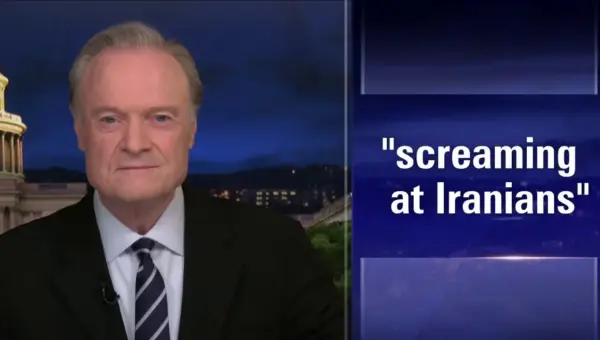
Donald Trump's recent claim that 'nobody has ever ended one war' has sparked debate about his mental state and political awareness. Experts and critics point to his past statements and actions, including his handling of the Strait of Hormuz conflict, raising concerns about his fitness for office. The upcoming elections are seen as a critical juncture for assessing his political standing.

US Navy Blocks Iran’s Sea Trade, Escalating Regional Tensions
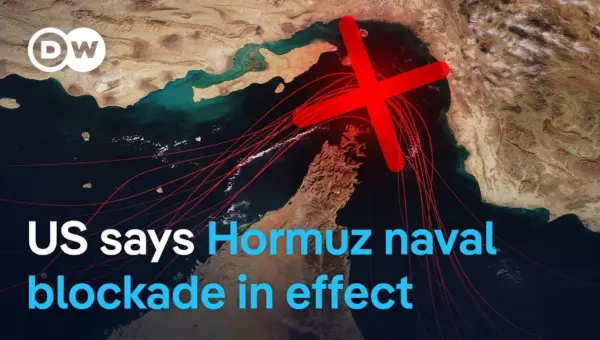
The U.S. military has announced a naval blockade on Iran, halting all sea-based trade and asserting control over maritime traffic. This action follows Iran's earlier disruption of the vital Strait of Hormuz. Experts weigh in on the legality, effectiveness, and potential for escalation, with concerns raised about China's role and the strain on U.S. naval resources.

Trump Erodes DOJ Independence, Says Former Attorney
Former Trump attorney Todd Blanche stated that the separation between the White House and the Department of Justice has been erased. He explained that the president's ultimate authority over the DOJ aligns with the 'unitary executive theory.' This marks a significant departure from post-Watergate efforts to ensure the department's independence.