Market Surges as Iran Deal Hopes Rise
Stock markets are surging to record highs as optimism grows for a resolution with Iran. The U.S. strategy focuses on preventing Iran from obtaining nuclear weapons, offering economic normalization in return for normal country behavior. A successful naval blockade is putting economic pressure on Iran, potentially leading to a favorable outcome.

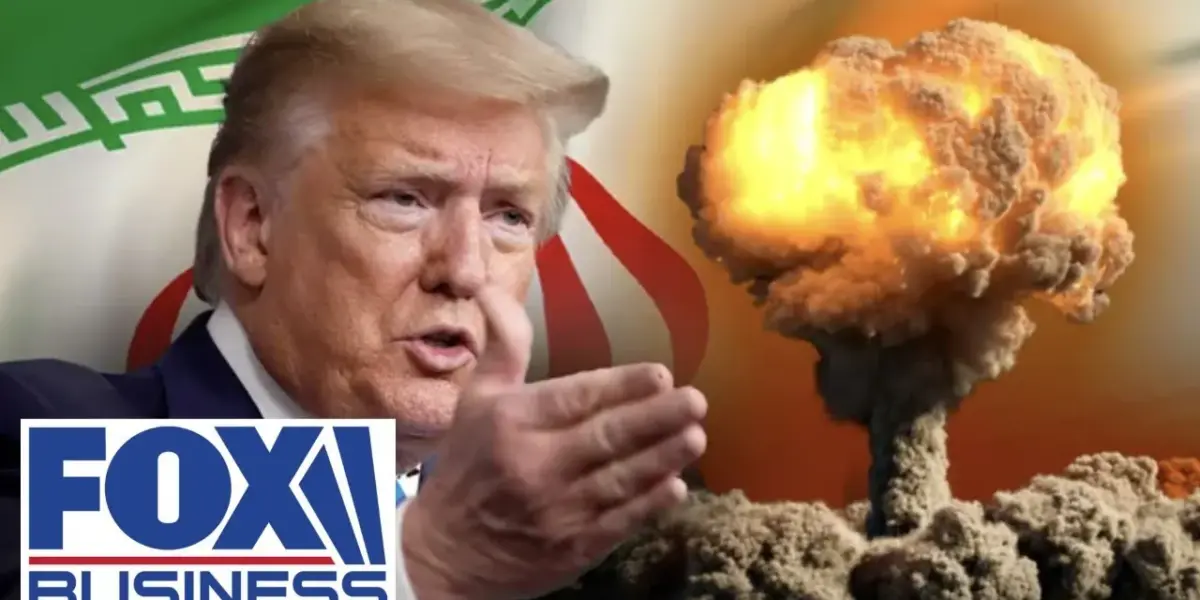
Market Gains as Iran Tensions Ease
Stock markets are showing strong gains, hitting record highs as optimism grows that a resolution to the conflict with Iran is nearing. Reports suggest the U.S. is focused on a long-term goal: ensuring Iran does not obtain nuclear weapons. This strategic aim is seen as beneficial for both American citizens and people worldwide.
Recent statements indicate that a deal with Iran may be very close. The U.S. policy is clear: Iran cannot have nuclear weapons.
Current negotiations aim to achieve this very outcome. The offer to Iran is straightforward: act like a normal country, and the U.S. will treat it economically like one.
U.S. Policy on Iran’s Nuclear Ambitions
Reports that the U.S. formally requested an extension of a cease-fire with Iran have been denied. This situation is described as a short-term disruption.
The main objective remains preventing the world’s leading state sponsor of terror from acquiring nuclear arms. This is a positive development for global security.
The current approach is seen as a strong position. Critics of the President’s plan have quieted in recent days.
They are witnessing Iran’s economic struggles and a situation they may not have expected. This suggests a shift in negotiating power.
Naval Blockade Shows Success
The U.S. has implemented a naval blockade, which has been announced as a success. This action has put pressure on Iran.
At least 10 ships have reportedly been turned away, according to U.S. Central Command. This blockade is expected to significantly impact Iran’s economic situation.
This strategy has flipped the script after initial concerns about the conflict becoming prolonged. The firm stance and enforcement of the blockade appear to be yielding results. Iran is now in a position where its economic standing is weakening, contrary to its earlier expectations.
Investor Optimism Drives Market Rally
The stock market’s rise reflects growing confidence among investors. Many believe the conflict with Iran is moving towards a positive conclusion. This optimism is fueled by the perceived effectiveness of the U.S. strategy, including the naval blockade.
The market’s strong performance suggests that investors anticipate a more stable global environment. This stability is often linked to reduced geopolitical risks. As tensions ease, businesses can operate with greater certainty, which typically benefits stock prices.
What Investors Should Know
The U.S. objective is to prevent Iran from developing nuclear weapons. The current strategy involves economic pressure, including a naval blockade. This approach aims to bring Iran to the negotiating table with a willingness to abandon its nuclear program.
The U.S. is offering Iran economic benefits in exchange for behaving like a normal country. This includes treating Iran economically as a normal nation if it meets certain conditions. The success of this strategy could lead to a significant easing of global tensions.
Long-Term Implications
A resolution with Iran could lead to increased global trade and investment. If Iran integrates more into the global economy, it could open new markets and opportunities. This would be a positive development for various sectors, from energy to manufacturing.
The reduction of geopolitical risk in the Middle East is crucial for long-term market stability. Investors often shy away from regions with high political uncertainty. A peaceful resolution would encourage more capital to flow into emerging markets and global growth opportunities.
Potential Impact on Oil Prices
The conflict in the Middle East has often been a factor in oil price volatility. Easing tensions could lead to more stable or even lower oil prices. This would benefit consumers and businesses by reducing energy costs.
Lower energy costs can boost consumer spending and corporate profits. This creates a more favorable environment for economic growth. Gas prices are expected to decrease in the coming months, according to White House Press Secretary Karoline Leavitt.
Congressional Perspective
U.S. Representative Lance Gooden views the current situation as a positive shift. He believes the U.S. has regained momentum in its dealings with Iran. The initial days of the conflict saw success in targeting Iranian leadership.
Gooden highlights the effectiveness of the naval blockade. He notes that Iran is not succeeding economically as it had hoped. This puts Iran in a weaker negotiating position, pushing them away from extreme demands.
Enriched Uranium and Future Negotiations
The question remains whether Iran will give up its enriched uranium, reportedly close to a thousand pounds. The expectation is that this point will eventually be reached. The hope is to avoid further military action.
The blockade is seen as a key factor in achieving this goal. Reports of China potentially stepping back due to U.S. tariff threats are also significant. The President is taking a firm stance, aiming for a non-nuclear Iran.
Resolution in Sight
There is a belief that a resolution is near and that the military action will end positively. This outlook is supported by the perceived success of the U.S. strategy. The American people are seen as being in agreement with this firm policy.
The coming days are expected to show Iran moving away from its radical preferences. Their negotiating position is considered weaker than before. The blockade is viewed as a major success in achieving U.S. objectives.
Source: Trump won't settle for anything less than a 'non-nuclear' Iran: GOP lawmaker (YouTube)

Related Articles
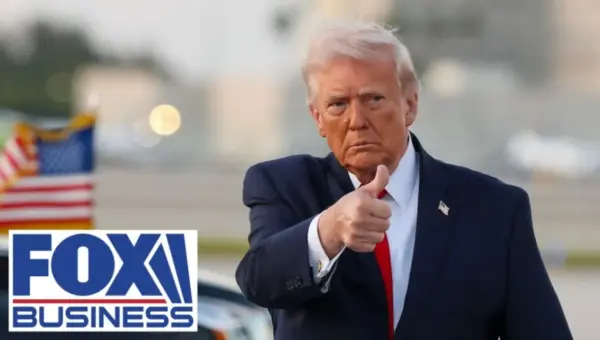
Tax Refunds Bolster Economy, But Inflation Woes Linger
The Trump administration is promoting increased tax refunds as a key economic benefit, aiming to boost consumer spending and frame tax season positively. While the stock market shows strength, persistent inflation and high living costs present ongoing challenges for American households.

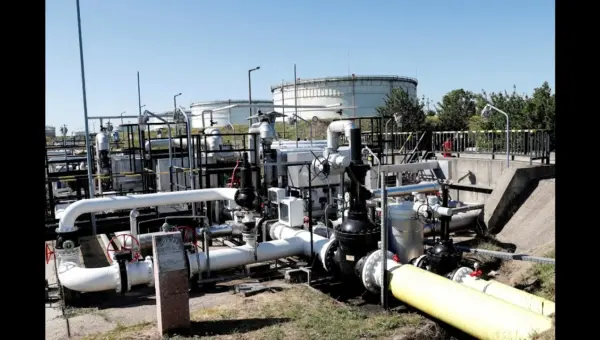
Russia Eyes China as Energy Lifeline Amid Global Shifts
Russia is signaling an increase in energy exports to China ahead of President Putin's visit, highlighting deepening ties amidst global market disruptions. This strategic pivot east is a direct response to Western sanctions and Europe's phasing out of Russian imports.
China Aids Iran, Trump to Confront Xi on Trade
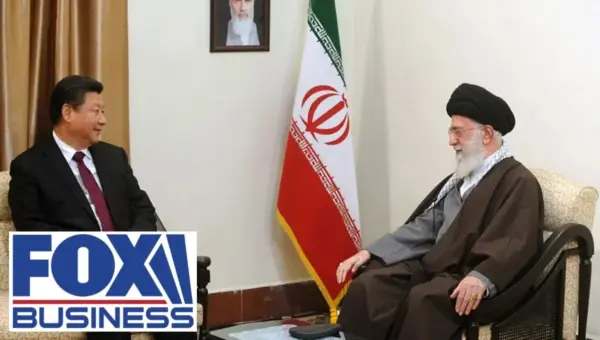
President Trump plans to discuss China's alleged support for Iran with President Xi Jinping at an upcoming summit. Reports indicate Iran has used Chinese spy satellites, and concerns exist over dual-use technology transfers. U.S. actions to limit Iran's oil exports aim to pressure China, a key energy partner.