Trump Orders Hormuz Blockade as Iran Talks Collapse
President Trump has ordered the U.S. Navy to blockade the Strait of Hormuz following the collapse of peace talks with Iran. The directive aims to halt all maritime traffic and interdict vessels that have paid tolls to Iran. This significant escalation could have major repercussions on global oil markets and regional stability.

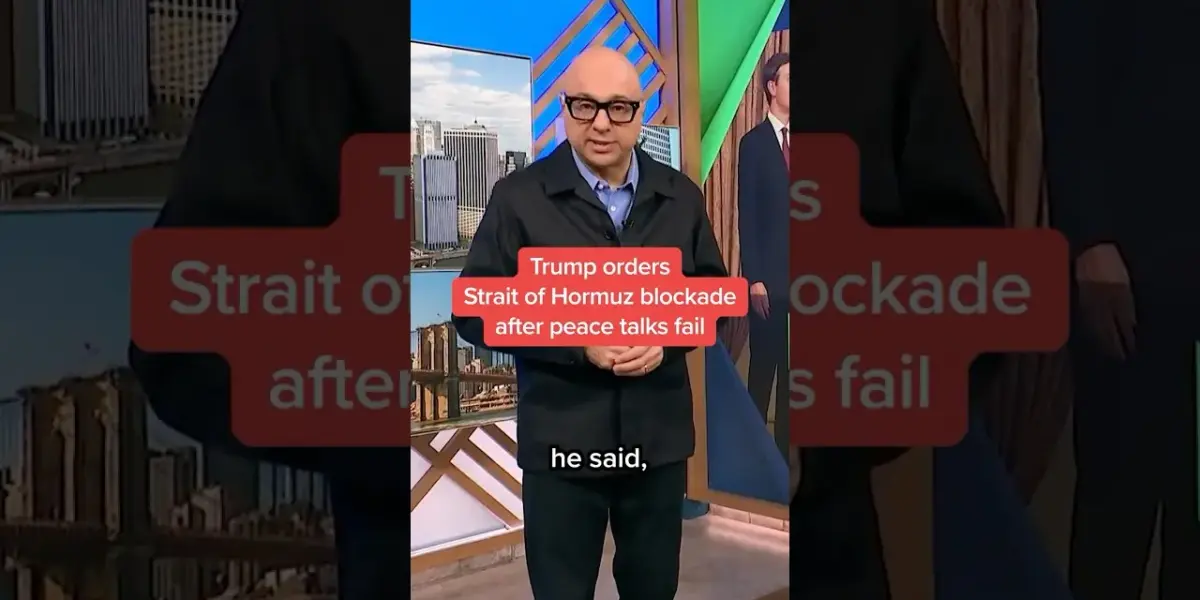
Trump Orders Hormuz Blockade as Iran Talks Collapse
President Donald Trump has ordered the U.S. Navy to blockade the Strait of Hormuz, a critical waterway for global oil transport. This drastic action follows the failure of recent peace talks with Iran. The order, announced via a Truth Social post, aims to cut off all maritime traffic attempting to enter or leave the strategic strait.
The directive also instructs the Navy to intercept and stop any vessel in international waters that has paid a toll to Iran. Trump stated that ships paying these tolls would no longer have safe passage on the high seas. This blockade is set to begin shortly, signaling a significant escalation in tensions between the United States and Iran.
Strait of Hormuz: A Vital Global Chokepoint
The Strait of Hormuz is a narrow waterway connecting the Persian Gulf to the Gulf of Oman. It is one of the world’s most important oil transit points.
Approximately 20-30% of the world’s oil, including crude oil and petroleum products, passes through this strait daily. Its strategic importance is significant, as any disruption here can significantly impact global energy markets and prices.
Control or blockade of the Strait of Hormuz has long been a point of leverage in regional conflicts. For decades, international powers have worked to ensure freedom of navigation through this vital chokepoint. The U.S. Navy has a significant presence in the region, tasked with maintaining maritime security and ensuring the free flow of commerce.
Failed Peace Talks Precipitate Blockade
The decision to blockade the Strait of Hormuz comes directly after diplomatic efforts to resolve ongoing disputes with Iran have failed. Details surrounding the specific peace talks were not provided in the announcement. However, the collapse of these negotiations appears to have been the immediate trigger for Trump’s assertive military order.
The U.S. has had a tense relationship with Iran for decades, marked by sanctions, accusations of destabilizing activities, and military standoffs. Previous administrations have also faced challenges in diplomatic engagement with Tehran. This latest development suggests a significant hardening of the U.S. stance under the Trump administration.
Implications of a Hormuz Blockade
A blockade of the Strait of Hormuz would have far-reaching consequences. Economically, it could lead to a sharp increase in global oil prices, impacting consumers and industries worldwide.
The disruption could also affect shipping insurance rates and the overall stability of international trade routes. This action could also provoke retaliatory measures from Iran or its allies, potentially leading to a wider regional conflict.
Militarily, the implementation of such a blockade would place U.S. naval forces in direct confrontation with any vessels attempting to defy the order. The risk of miscalculation or accidental engagement would be high.
International legal scholars and maritime law experts would likely scrutinize the legality of such a broad interdiction of vessels in international waters. The U.S. justification for interdicting vessels that have paid tolls to Iran will be a key point of contention.
Looking Ahead: What to Watch Next
The immediate focus will be on the execution of the blockade and Iran’s response. Global markets will be closely monitoring oil prices and shipping news for any signs of disruption.
Diplomatic channels, though seemingly failed, may still be activated to de-escalate the situation. The international community, including allies and adversaries, will be watching closely to understand the full scope and duration of this U.S. action.
The coming days will reveal whether this order leads to a tense standoff or a more direct confrontation. The world waits to see how Iran will react and what steps the U.S. will take to enforce its directive. Further statements from the White House and official responses from Tehran are expected.
Source: Trump orders Strait of Hormuz blockade after peace talks fail (YouTube)

Related Articles

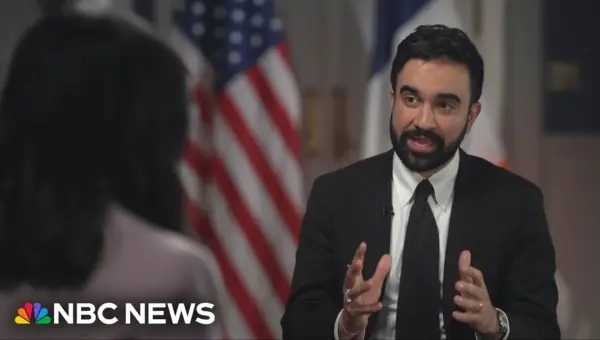
Mayor Mamdani Delivers on Promises, Tackles Budget Woes
Mayor Zohran Mamdani outlined progress on his campaign promises, including universal childcare and faster buses, during his first 100 days. He is addressing a $5.4 billion budget shortfall through progressive taxation and plans for city-run grocery stores. Mamdani also discussed his productive relationship with President Trump and his commitment to New York City.
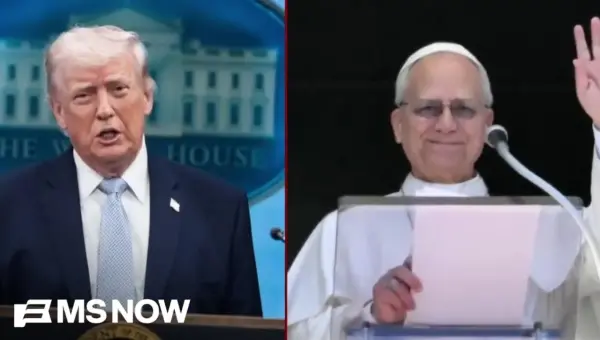
Trump’s Divine Claims Fuel Feud with Pope Francis
Former President Donald Trump has escalated his feud with Pope Francis by sharing an AI image of himself as a Jesus-like figure and planning a marathon Bible reading. Analysts suggest his actions are fueled by those around him who encourage him to see himself as divinely appointed, a sentiment echoed by some political allies.
GOP Rebels Defy Trump on Surveillance Bill
Twenty Republican lawmakers defied President Trump this week, voting against a renewal of the Foreign Intelligence Surveillance Act (FISA). The dissent forced a short-term extension of the law and signals growing divisions within the GOP, raising questions about Trump's influence. This rebellion highlights internal power struggles and principled stands on surveillance within the party.