German Parties Rethink ‘Firewall’ Against Far-Right AfD
Germany's long-standing 'firewall' against the far-right AfD party is cracking, especially in eastern towns where the party holds significant support. Local politicians are increasingly opting for pragmatic cooperation to address community issues, breaking with national policy. This shift raises questions about the future of German political isolation and its impact on democracy.

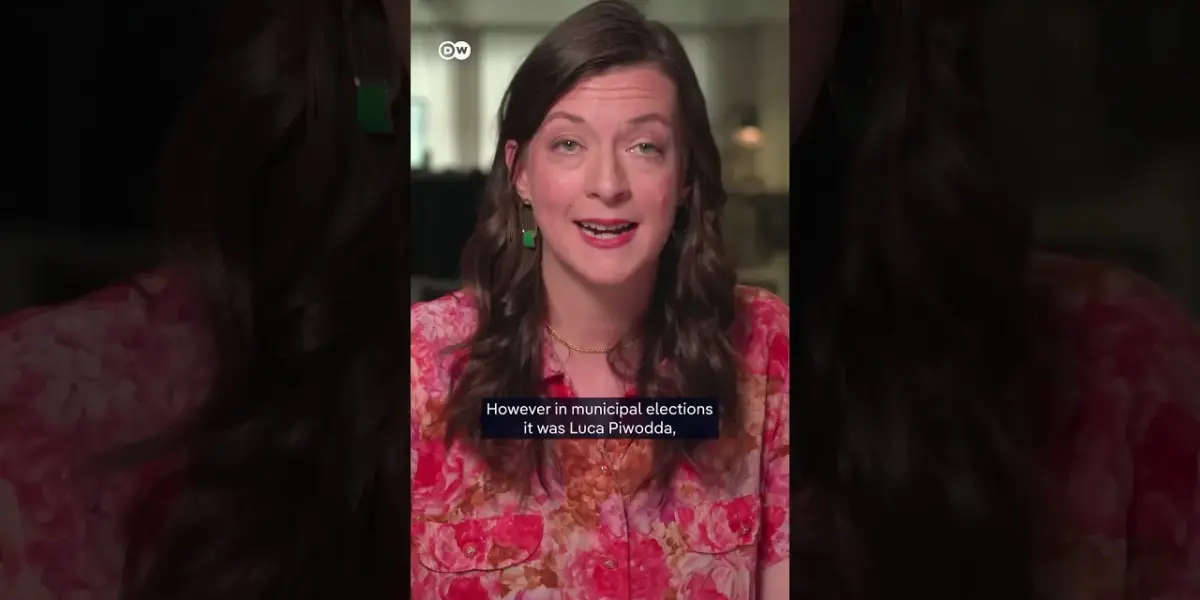
‘Firewall’ Against Far-Right AfD Crumbles in German Towns
A long-standing unwritten rule in German politics, known as the ‘Brandmauer’ or firewall, is facing unprecedented challenges. This policy dictates that mainstream political parties refuse to cooperate with the far-right Alternative for Germany (AfD). However, as the AfD’s support grows, particularly in eastern Germany, local politicians are beginning to question the feasibility of this strict isolation.
The AfD currently holds about 20% of the seats in the German Parliament, representing 150 lawmakers. Logically, this level of representation should allow the party to chair committees and assume leadership roles.
Yet, in practice, the AfD is consistently blocked from these positions by other parties who refuse to vote for their candidates or support their proposals. These parties argue that the AfD’s platform opposes fundamental democratic values.
East German Towns Grapple with AfD’s Rising Popularity
The challenge to the firewall is most apparent in eastern Germany, where the AfD’s support is significantly higher. In some towns, nearly half of the voters cast their ballot for the far-right party. This widespread public backing is forcing local officials to reconsider their stance on cooperation.
Guards, a small town located about 80 kilometers from Berlin on the Polish border, offers a telling example. In the last federal election, 50% of Guards’ residents voted for the AfD.
Despite this, in the subsequent municipal elections, the town elected Luca Pivoda, an independent progressive candidate, as its mayor. Pivoda, at just 25 years old, has become a symbol of a new approach to local governance.
Mayor Pivoda Breaks Taboo, Works With AfD Locally
Mayor Luca Pivoda has made a conscious decision to break with the tradition of isolating the AfD. He currently has two council members from the AfD serving under him. Pivoda emphasizes that his focus is on the quality of ideas and their potential to solve local issues, rather than the political affiliation of the individuals proposing them.
For Pivoda, the more pressing concern is not the presence of AfD members but the general lack of participation from other established parties. This suggests that the vacuum left by non-cooperating parties might inadvertently strengthen the AfD’s local influence. His approach highlights a growing sentiment among some local leaders that complete exclusion is becoming impractical.
Pragmatism or Warning Sign for German Democracy?
Pivoda’s decision reflects a broader trend emerging across eastern Germany. Local politicians in many areas are concluding that while the national firewall may hold in Berlin, it is a luxury they can no longer afford at the community level. The need to address local concerns pragmatically is outweighing the national directive to shun the AfD.
This shift raises important questions for Germany’s political future. Whether this local pragmatism represents a sensible adaptation to voter sentiment or a dangerous erosion of democratic norms remains a subject of debate. The country is still deciding how to navigate this complex new reality.
Looking Ahead
As the AfD continues to gain traction, particularly in regions where it holds significant voter support, the pressure on mainstream parties to maintain the firewall will likely intensify. Future local elections and the formation of municipal councils will be closely watched for further signs of compromise or continued resistance. The outcome of these local decisions could eventually influence the national political landscape.
Source: Can German politicians still refuse to work with the AfD? | DW News (YouTube)

Related Articles
German Left Party Splits Over Zionism and Antisemitism Debate
Germany's Left Party is facing a significant internal rift over its stance on Zionism and antisemitism, fueled by the conflict in Gaza. A regional branch's resolution criticizing "real existing Zionism" has ignited a fierce debate about the ideology's link to suffering and concerns over antisemitism within the party itself.
AfD’s Policies Could Harm Its Own Voters Most
The AfD party's policy proposals present a paradox, potentially harming its own supporters most, according to analysis. The party's libertarian stance on taxes and social programs could hurt low-income voters who rely on them. This comes as mainstream parties struggle to connect with the working class.
Germany Faces Reform Crisis: Coalition Grapples with Urgency
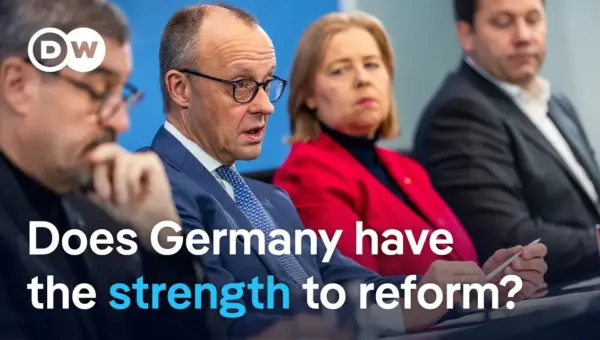
Germany is facing a critical moment, needing urgent social and economic reforms amidst global crises and a rising far-right. The governing coalition is divided, with key figures calling for a shift towards the center and acknowledging budget shortfalls. Public support for reforms is high, but willingness to sacrifice is low, creating a challenging path forward.