Kane AI: Automating Software Testing with Natural Language
Kane AI is emerging as a groundbreaking tool, simplifying software testing by allowing users to write test cases in plain English. This AI agent automates the generation and execution of tests, addressing a major pain point in development.

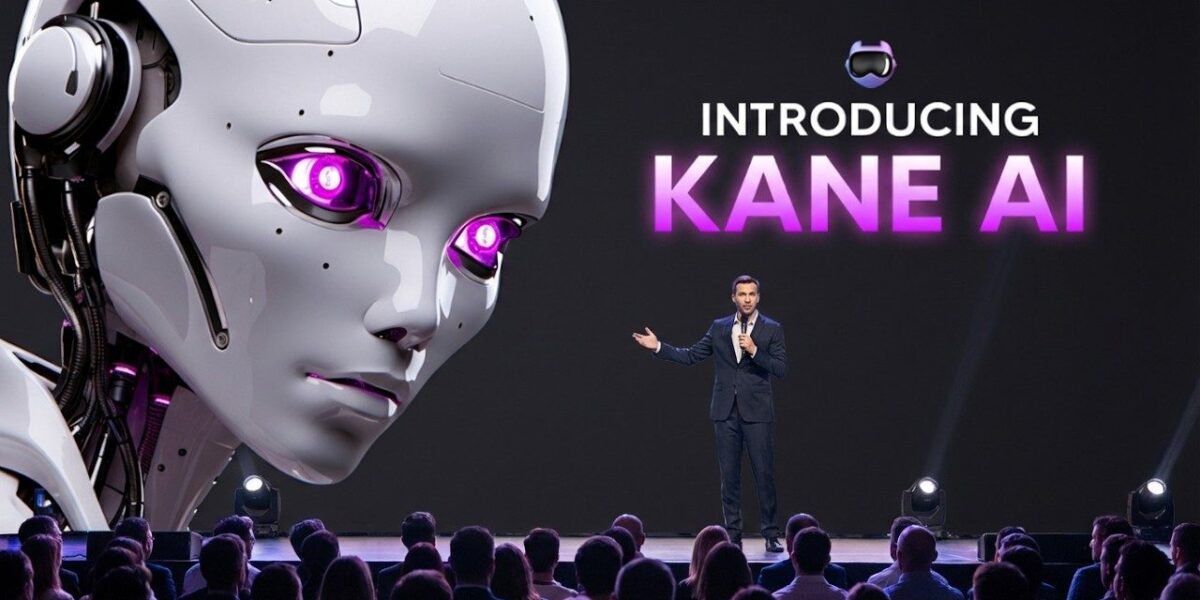
Kane AI Revolutionizes Software Testing with Natural Language Interface
The landscape of software development is constantly evolving, with AI increasingly playing a pivotal role. While many AI tools focus on code generation or content creation, a new player, Kane AI, is making significant waves by tackling one of the most tedious and time-consuming aspects of software development: testing. Kane AI promises to transform this crucial but often overlooked process by allowing developers and even non-technical users to describe tests in plain English, which the AI then translates into automated test scripts.
The Pain of Traditional Software Testing
Before any application, website, or digital product goes live, it must undergo rigorous testing. This process ensures that all features function as intended, user interfaces are intuitive, and the overall user experience is seamless. Traditionally, software testing has been approached in two primary ways:
- Manual Testing: This involves human testers systematically going through an application, clicking buttons, filling out forms, and verifying that everything works as expected. While thorough, it is incredibly time-consuming, prone to human error, and scales poorly with complex applications.
- Automated Testing with Code: This approach involves developers writing specific code scripts to automate repetitive testing tasks. While more efficient than manual testing, it requires specialized coding skills, is expensive to implement and maintain, and can be a barrier for teams lacking dedicated QA engineers or developers with testing expertise.
The inherent challenges in traditional testing—its tedious nature, high cost, and complexity—often lead to shortcuts, resulting in bugs slipping into production, causing frustration for users and significant rework for development teams. This is precisely the problem Kane AI aims to solve.
Introducing Kane AI: Your AI Testing Agent
Kane AI positions itself as an intelligent agent capable of understanding and executing software tests based on natural language instructions. The core concept is simple yet powerful: instead of writing complex code, users can describe what they want to test in everyday language, much like texting a colleague. Kane AI then takes these descriptions and automatically generates executable test cases that can run across web and mobile platforms.
“Think of it like this. Instead of hiring an entire team, you’ve got one AI agent that understands your app and can do it all for you,” explains a recent demonstration of the tool. This approach democratizes testing, making it accessible to a wider range of individuals involved in product development, from solo entrepreneurs to large enterprise teams.
Key Features and Capabilities
Kane AI distinguishes itself through several innovative features designed to streamline and enhance the testing process:
1. Test Generation from Diverse Inputs
One of Kane AI’s most impressive capabilities is its ability to generate test cases from virtually any input. This includes:
- Documentation: Uploading product requirement documents (PRDs), user stories, or specifications in formats like PDFs, spreadsheets, or Notion documents.
- Tickets: Feeding in Jira tickets that describe new features or bug fixes.
- Multimedia: Analyzing images, audio, or video to extract test scenarios.
For example, a team working on a new user registration flow can simply upload their requirements document, and Kane AI will automatically create a comprehensive suite of test scenarios, saving hours of manual effort.
2. Natural Language Test Authoring
Beyond generating tests from documents, users can directly author end-to-end tests using natural language. Instead of deciphering cryptic code, a user can type commands like:
“Go to the login page, enter the email, and then enter this password, click the login button, and verify that the dashboard appears.”
Kane AI interprets these instructions, interacts with the application, and records the steps as structured tests. This feature significantly lowers the barrier to entry for creating automated tests.
3. Handling Complex Logic and Conditions
Kane AI doesn’t shy away from complexity. Users can express conditional logic and sophisticated testing workflows in plain English. For instance, tests can be written to check:
“If the cart total is over $100, verify that the free shipping badge appears. Otherwise, check that shipping costs are displayed.”
This capability, which traditionally requires advanced programming, is made accessible through Kane AI’s natural language understanding, allowing for more robust and context-aware testing.
4. Intelligent API Testing
For applications that rely heavily on APIs, Kane AI offers intelligent API testing. Users provide API details, and Kane AI understands the API contracts. It automatically generates meaningful test assertions, checking for correct status codes, response formats, and data integrity. This is crucial for developers building AI agents, SaaS products, or any service dependent on API calls, ensuring backend functionality remains stable during updates.
5. Auto Bug Detection and Auto Healing
Kane AI incorporates advanced AI features that go beyond simple test execution:
- Auto Bug Detection: During test runs, if Kane AI encounters an unexpected issue, such as a page failing to load after multiple attempts, it can automatically flag it as a regression issue and report the specific problem, similar to how it identified a broken link to a shopping cart page in a demonstration.
- Auto Healing: When an application’s user interface (UI) undergoes changes—like a button color change, relocation, or renaming—traditional automated tests often break. Kane AI’s tests, written in natural language, are designed to understand the *intent* behind the command. If a button moves or is renamed, Kane AI can still locate and interact with it, effectively self-healing the tests and preventing the need for manual updates. This adaptability is invaluable for teams that frequently iterate on their UI.
Why This Matters: Real-World Impact
The implications of Kane AI are far-reaching:
- Increased Development Velocity: By automating the time-consuming testing process, development teams can ship features faster and more confidently.
- Improved Software Quality: More comprehensive and consistent testing leads to fewer bugs in production, resulting in better user experiences and reduced customer support load.
- Reduced Costs: Automating testing with AI can significantly lower the expenses associated with manual testers or hiring specialized QA engineers.
- Democratization of Testing: Individuals without deep coding expertise can now contribute to ensuring software quality, fostering a more collaborative development environment.
- AI-Native Development: For those building AI agents or complex systems, Kane AI ensures the underlying infrastructure and user-facing applications are robust and reliable.
Availability and Conclusion
Kane AI is positioned as a practical and powerful solution for a universal problem in software development. While specific pricing tiers were not detailed in the provided information, the tool is available for users to explore, with a sign-up link offered for access. The ability to export test code in various programming languages further enhances its integration capabilities with existing development workflows.
In a world where software is increasingly complex and user expectations are high, tools like Kane AI are not just conveniences but necessities. By abstracting away the complexities of test automation through natural language, Kane AI empowers developers to focus on innovation while ensuring the reliability and quality of their creations.
Source: Every Vibe Coder Needs This AI Agent – Kane AI (YouTube)

Related Articles


S&P 500 Hits Highs Amid War Fears
The S&P 500 has unexpectedly reached all-time highs despite global conflicts and economic worries. Meanwhile, the crypto market faces regulatory delays, and AI's impact remains a mixed bag of innovation and public concern.


AI Finds Thousands of Crypto Security Flaws
A new AI model, Mythos, has discovered thousands of critical security flaws in software, posing potential risks to cryptocurrency platforms. The threats are more likely to target centralized exchanges and applications rather than the core blockchain technology itself.


AI Reshapes Economy: New Wealth Opportunities Emerge
Artificial intelligence is set to dramatically reshape the global economy within five years, creating both challenges and significant wealth-building opportunities. Experts emphasize the need to adapt by learning AI skills, drawing parallels to how past technological shifts democratized access to knowledge and investment strategies.