Selfie Age Checks Face Backlash Over Privacy, Bias
Governments are exploring selfie-based age verification to protect minors online, but the technology faces criticism. Concerns about AI accuracy, especially for ethnic minorities, and the significant privacy risks of uploading personal data are leading to backlash. Critics argue these measures don't address the root causes of harmful online content.

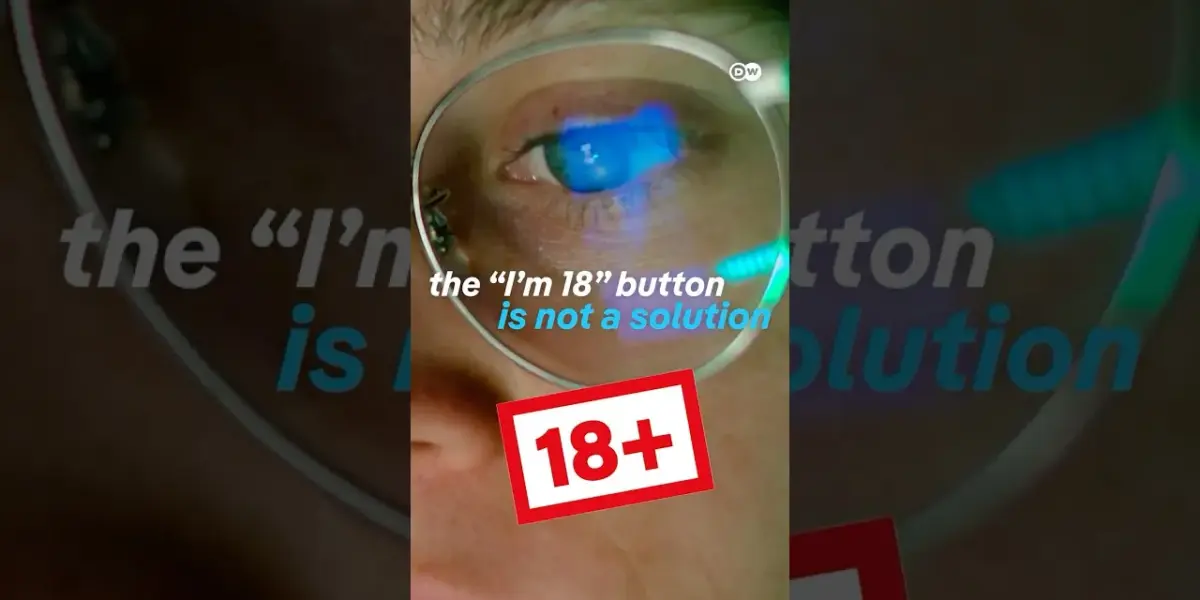
Selfie Age Checks Face Backlash Over Privacy, Bias
Governments around the world are exploring new ways to shield children from harmful content online. A key part of this effort involves technology that can verify a user’s age. However, using a selfie or facial scan to prove someone is over 18 is facing significant criticism regarding privacy risks and potential bias.
Brazil recently launched its digital ECA, a new law. This law demands strong age verification for access to content deemed high-risk.
This includes certain sections of social media platforms. Users might need to present official identification or scan their faces to gain entry.
AI Scans and Their Limits
The technology used for these facial scans, driven by artificial intelligence, is not foolproof. AI systems can be deceived, meaning they can be tricked into thinking someone is older or younger than they actually are. This is particularly concerning when the systems are used for age verification.
These AI systems have shown a tendency to make mistakes. These errors disproportionately affect ethnic minorities.
Facial recognition technology has historically struggled with accuracy across different skin tones and facial structures. This raises serious questions about fairness and equal application of the law.
Privacy Concerns Loom Large
Beyond accuracy issues, uploading official identification documents or scanning one’s face introduces significant privacy risks. People are rightly concerned about what happens to this sensitive personal data. The fear is that this information could be exploited or fall into the wrong hands, leading to identity theft or other malicious uses.
The potential for data breaches is a major hurdle for widespread adoption. If platforms are tasked with storing vast amounts of biometric data and identification documents, they become attractive targets for hackers. This could create a larger problem than the one they are trying to solve.
Root Causes Unaddressed, Critics Say
Many experts and civil liberties groups argue that these technological measures fail to address the core issues. They believe the focus should be on actively combating harmful and illegal content itself. Simply blocking access based on age verification might not be the most effective long-term strategy.
Critics suggest that resources would be better spent on developing better content moderation systems. They also point to the need for education and support for young people. These approaches could tackle the problem from its roots, rather than just its symptoms.
A Difficult Balancing Act
The debate highlights a difficult balancing act between protecting minors and upholding individual privacy. The question remains whether the potential benefits of strict age verification outweigh the risks associated with data security and algorithmic bias. Many users are hesitant to share such personal information for access to online content.
Would you be willing to upload your ID or scan your face to access parts of social media that might contain adult or sensitive material? The answer for many is likely no, given the current concerns. This technology is still in its early stages, and public trust is a critical factor for its success.
The effectiveness and ethical implications of selfie-based age verification will likely be a topic of ongoing debate and technological development. Future regulations will need to carefully consider these complex issues.
Source: Would you trust a selfie to verify your age? | DW News (YouTube)

Related Articles

AI Mistake Lands Grandmother in Jail; Demands Justice
A Tennessee grandmother was wrongly arrested and jailed for months after artificial intelligence software falsely identified her in a bank fraud case. Angela Lips maintained her innocence, and evidence eventually proved she was in Tennessee when the crimes occurred in North Dakota. The incident raises serious questions about the reliability of AI in law enforcement.

AI’s Love Problem: Users Say Risks Outweigh Rewards
A recent poll reveals that a majority of people believe the risks of AI outweigh its benefits, highlighting a significant gap between industry ambition and consumer love for the technology. This skepticism stems from a lack of beloved consumer applications and concerns over resource demands.


AI Scams Explode: Man Loses $1.6M, Teen Forced to Scam
A 76-year-old man lost $1.6 million to an AI investment scam after being lured by a fake online persona. The case highlights the growing threat of AI-powered fraud, with even some scammers being victims of human trafficking forced into illegal activities.