Tesla Model 3 Cost Slashed to $78/Month
A Tesla Model 3 owner reveals how they reduced their monthly cost to just $78. This was achieved through a combination of $6,250 in EV credits and rebates, and significant tax savings from using the car for business. The owner's first year out-of-pocket cost was reduced from over $12,000 to an effective $78 per month.


Tesla Model 3 Cost Slashed to $78/Month
A Tesla Model 3 can cost as little as $78 per month, according to one owner’s experience. This low monthly price was achieved through a combination of government incentives, financing, and business tax deductions.
The initial purchase price of a Model 3 in 2019 was around $40,000. This figure highlights how various financial strategies can significantly reduce the long-term cost of electric vehicle ownership.
The owner qualified for $6,250 in electric vehicle (EV) credits and rebates. These incentives are designed to encourage consumers to switch to cleaner transportation.
Federal tax credits and state rebates can substantially lower the upfront cost of buying an EV. They act like discounts applied directly to the purchase price or as a refund on your taxes.
The vehicle was financed in full, resulting in a monthly payment of $640. On top of this, there were initial taxes, registration, and fees totaling $4,437.
This brought the total out-of-pocket expense in the first year to $12,117. This initial cost reflects the standard expenses associated with purchasing and registering a new car.
Business Use Slashes Costs Further
A key factor in reducing the monthly cost was using the car for business purposes. This allowed the owner to write off certain expenses.
These deductions included interest paid on the car loan, various fees, and the depreciation of the vehicle’s value over time. Depreciation is the decrease in a car’s value as it ages and is used.
These business-related deductions resulted in a tax saving of $4,926 for the year. By reducing taxable income, the owner effectively lowered their overall tax bill. This strategy turned a significant portion of the car’s cost into a business expense that offset income.
Year-One Effective Cost
When all the rebates, credits, and tax savings are factored in, the effective cost for the first year dropped dramatically. After accounting for the initial expenses and subsequent savings, the owner’s monthly cost for the Tesla Model 3 came down to just $78. This calculation shows the powerful impact of combining multiple financial benefits.
Future of EV Incentives
It’s important for potential EV buyers to note that some incentives are temporary. The federal tax credits mentioned are set to expire after 2025. This means the financial landscape for EV purchases may change.
However, states like California are actively exploring new rebate programs. These state-level initiatives can help offset the loss of federal support.
Market Impact
The availability and structure of EV incentives play a key role in market adoption. Generous credits and rebates can significantly boost sales by making electric cars more affordable.
As federal incentives phase out, state programs and manufacturer discounts will become even more important. This could lead to regional differences in EV affordability and sales trends.
What Investors Should Know
For investors, understanding the impact of government policy on EV sales is key. Changes in tax credits and rebates can directly affect the sales figures and profitability of electric vehicle manufacturers.
Monitoring legislative developments at both federal and state levels is crucial. This helps in assessing the future growth potential of companies in the EV sector.
The trend towards electrification is strong, driven by environmental concerns and technological advancements. However, the economics of purchasing an EV remain a significant factor for many consumers.
Strategies like the one detailed, which combine incentives and smart financing, could become more common. This might influence how manufacturers price their vehicles and structure their sales models going forward.
The expiration of federal tax credits after 2025 presents a challenge for maintaining current sales momentum. Automakers may need to adjust pricing or offer more direct incentives.
Consumers should stay informed about available credits and rebates, as these can change annually. Checking official government websites and manufacturer offers is recommended before making a purchase.
Source: How I Bought A Tesla For $78 (YouTube)

Related Articles


Chinese Brands Storm UK Market, Shaking Up Auto Industry
Chinese EV manufacturers like BYD and Chery Group are rapidly taking market share in the UK, outperforming established brands and challenging traditional perceptions. Their aggressive marketing and competitive products are reshaping the automotive landscape.


Porsche Patents a Manual for Electric Cars
Porsche has filed a patent for a manual transmission system designed for electric vehicles. This innovative system would allow drivers to choose between automatic mode and a traditional H-pattern manual shifter, offering an engaging driving experience for EV enthusiasts.

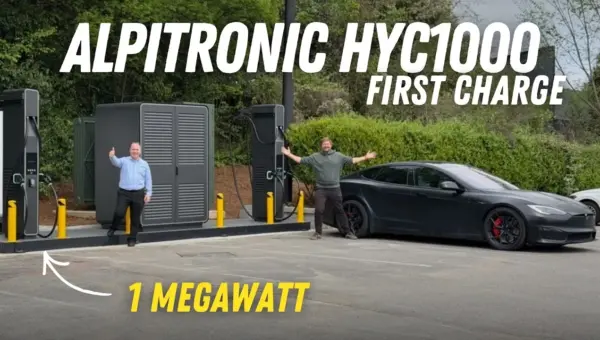
Alpitronic Unveils 1MW Hypercharger 1000 in US
Alpitronic has launched its powerful 1MW Hypercharger 1000 (HYC 1000) system in North America, promising significantly faster EV charging. This split DC fast charger introduces megawatt power, MCS standard support, and a flexible distributed architecture designed for CPOs and fleets.