Trump’s Grip Weakens: Could He Quit Before His Term Ends?
Analysts are discussing the unlikely but possible scenario of Donald Trump resigning before his term ends, citing low approval ratings and political setbacks. While most believe he will serve his full term, a small but growing number are considering this outcome, especially with upcoming elections posing further challenges.

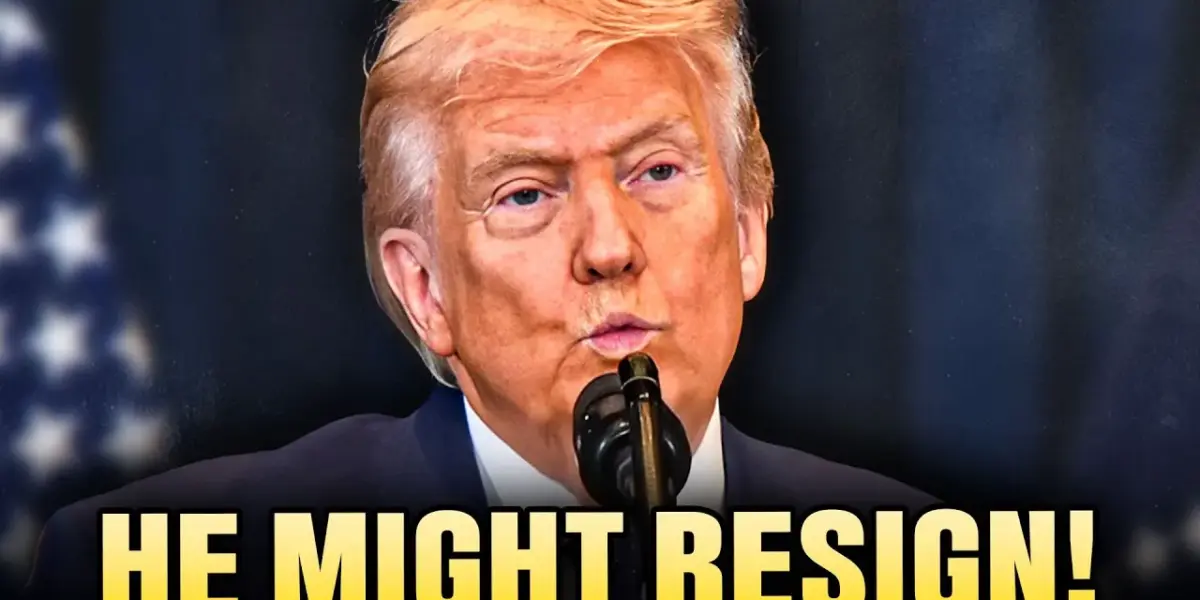
Trump’s Presidency Faces Growing Doubts
Reports suggest that Donald Trump’s presidency is facing significant challenges, leading some analysts to consider the possibility of an early resignation. His approval ratings across various issues are reported to be low, with many in double digits.
A recent poll from the University of Massachusetts Amherst showed his approval rating at just 33%. The ongoing war in Iran is also deeply unpopular, and Americans are struggling with soaring gas prices, high inflation, and unaffordable food and medicine.
Legal analyst Michael Popok, founder of the Legal AF podcast, recently suggested that the mounting difficulties might lead Trump to consider leaving office before his term is up. Popok stated that if Trump faces major losses in the upcoming midterm elections, he might use a health issue or another excuse to step down. This would suggest a leader who is no longer focused on succeeding in his role.
Is Resignation a Real Possibility?
While the idea of Trump resigning might seem unlikely to many, it’s not entirely outside the realm of possibility. The public generally believes he will serve out his term, viewing resignation as an admission of failure.
However, betting markets show a slight increase in the number of people who think he might resign, now hovering around 20%. This indicates a growing, albeit small, segment of the population considering this outcome.
The current political climate presents a difficult scenario for Trump. Despite Republican control, many of his initiatives have faced setbacks.
Even judges appointed by Trump have ruled against him, and the Supreme Court has delivered mixed decisions. With midterm elections approaching in November, which are expected to be unfavorable for the Republican party, Trump could find himself in an even weaker position.
The ‘Lame Duck’ President Scenario
If Democrats regain control of Congress in January, Trump would effectively become a “lame duck” president. This means he would likely struggle to pass any significant legislation he desires. Facing two more years of political gridlock and potential daily frustration, he might choose to leave office early rather than endure a difficult and unproductive term.
This scenario, while not predicted as highly probable by many, is seen as a plausible outcome given the circumstances. The data suggests that if such a resignation were to occur, it might not be as shocking as it initially appears. The path forward for Trump’s presidency appears increasingly challenging, raising questions about his ability to complete his term under his own conditions.
Why This Matters
The possibility of a presidential resignation, however remote, has significant implications for American governance and political stability. It raises questions about the public’s trust in leadership, the effectiveness of political institutions, and the potential for unexpected shifts in power. Such an event could trigger a constitutional crisis, requiring complex legal and political solutions to ensure a smooth transition of power.
It highlights the intense political polarization and the pressures faced by leaders in today’s environment. The public’s perception of a leader’s success or failure, often influenced by media narratives and public opinion polls, can play a key role in their political standing. The analysis of betting markets and public sentiment offers a glimpse into how these factors might influence a leader’s decisions.
Historical Context and Future Outlook
While no U.S. President has ever resigned due to political pressure or unpopularity in the way being discussed, the threat of impeachment has loomed over several presidencies. Richard Nixon resigned in 1974 to avoid almost certain impeachment and removal from office over the Watergate scandal, setting a precedent for voluntary departure under extreme duress. This historical event is a clear reminder of the consequences for leaders who lose the confidence of Congress and the public.
Looking ahead, the political landscape remains dynamic. The upcoming midterm elections will be a critical indicator of public sentiment and could significantly shape the remainder of Trump’s term, regardless of whether he completes it.
The ongoing legal challenges and public scrutiny will continue to influence his presidency. The potential for unforeseen events, whether health-related or political, means that the possibility of an early departure, while perhaps unlikely, cannot be entirely dismissed.
The next few months, particularly the period following the November midterm elections, will be crucial in determining the trajectory of Trump’s presidency. His administration’s ability to navigate the challenges ahead, coupled with public opinion and congressional dynamics, will ultimately shape his legacy and the stability of the nation’s leadership.
Source: Analysts Think Trump May RESIGN Before Term Ends (YouTube)

Related Articles
Trump Warns of ‘Stone Age’ Attack on Iran’s Infrastructure
Former President Donald Trump has warned of severe military action against Iran, targeting its power and oil infrastructure if diplomacy fails. This could lead to significant global market volatility, particularly in oil prices, and impact various industries.


Trump’s Iran Speech: Key Exit Strategy Missing, Analysts Say
President Donald Trump addressed the nation on the Iran conflict, claiming military success and nearing completion of operations. However, critics noted a significant lack of detail regarding the U.S. exit strategy and the potential for a ground invasion.
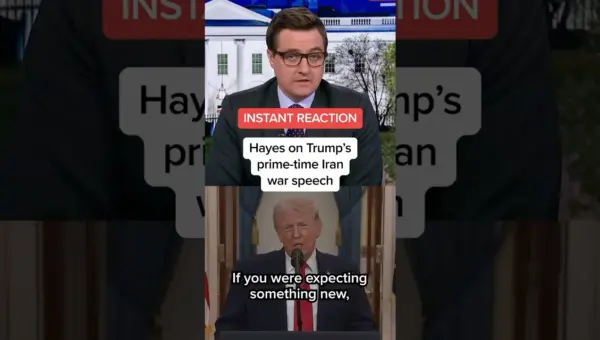
Hayes Critiques Trump’s Iran War Speech, Fact-Checks Claims
Chris Hayes fact-checked former President Donald Trump's recent prime-time address on Iran, questioning the accuracy of his claims about the Strait of Hormuz and the necessity of military action. Hayes argued that Trump's rhetoric oversimplified a complex geopolitical situation and could hinder diplomatic solutions, urging viewers to seek factual reporting.