Trump’s Iran War Stance: Critics Cite Lack of Foresight
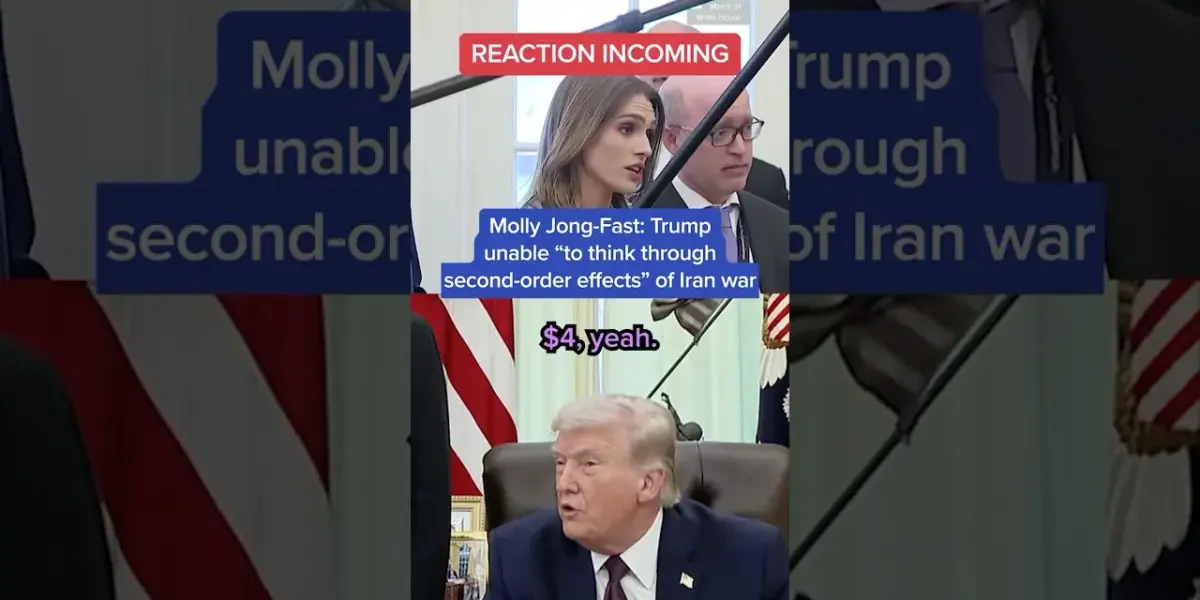
Journalist Molly Jong-Fast criticized Donald Trump's stance on a potential Iran war, suggesting he cannot foresee the "second-order effects." Speaking on MSNBC, she argued that Trump's comments linking war to American safety overlook the likely economic fallout, such as higher gas prices. The discussion highlighted concerns about strategic foresight in foreign policy decisions.

Trump’s Iran War Stance Under Scrutiny
Former President Donald Trump’s recent remarks about a potential war with Iran have drawn sharp criticism, with analysts suggesting he struggles to consider the wider consequences of his decisions. During a discussion on MSNBC’s ‘MS NOW,’ journalist Molly Jong-Fast specifically pointed out that Trump appears unable to think through the “second-order effects” of such a conflict. This means he might not be considering the ripple effects or the unintended outcomes that could follow a military action against Iran.
The comments came in response to a reporter’s question linking gas prices to potential conflict. Trump claimed that Americans would feel “safer” with the Iran war, a statement that many find contradictory given the usual economic and human costs associated with war. Jong-Fast’s observation suggests a pattern of impulsive decision-making, where the immediate action is considered without a full understanding of its long-term impact.
Economic and Security Concerns Raised
The connection Trump drew between $4 gas prices and the prospect of war highlights a key area of concern. A conflict in the Middle East, particularly involving Iran, could significantly disrupt global oil supplies. This disruption would almost certainly lead to higher energy costs for consumers worldwide, making the idea of feeling “safer” due to war seem illogical to many.
Experts often point to the complex geopolitical realities of the region. Iran is a major oil producer, and any military engagement could lead to blockades or damage to infrastructure.
This would not only affect the United States but also allies and trading partners, creating a global economic shock. The “second-order effects” Jong-Fast mentioned would include inflation, trade disruptions, and potential humanitarian crises.
Historical Context of Foreign Policy Decisions
Critics of Trump’s foreign policy often cite his past decisions as evidence of a tendency to overlook complex implications. His approach has sometimes been described as transactional, focusing on immediate perceived gains rather than sustained stability. This perspective suggests that Trump might view foreign policy challenges through a lens of immediate disruption or assertion, rather than long-term strategic planning.
The idea of “second-order effects” is crucial in foreign policy. For example, a military intervention aimed at removing a dictator might lead to a power vacuum, civil war, or the rise of extremist groups.
These are consequences that might not be immediately apparent but can have devastating and long-lasting effects. Jong-Fast’s critique suggests that Trump may not fully engage with this level of strategic foresight.
Analysis of Trump’s Rhetoric
During the segment, the discussion touched upon Trump’s public statements and how they are perceived. His assertion that war would make Americans feel safer is particularly striking.
It could be interpreted as an attempt to project strength or to frame a conflict as a necessary measure to neutralize a perceived threat. However, it overlooks the widespread anxiety that war typically generates due to its inherent dangers and uncertainties.
The analysis implies that Trump’s communication style might simplify complex issues, making it difficult for the public to grasp the full scope of potential consequences. This simplification, according to the critique, prevents a thorough public debate about the true costs and benefits of engaging in military action. The focus remains on the immediate, without adequately addressing the cascading impacts.
Broader Implications for International Relations
The comments from Jong-Fast and the context provided by Ali Velshi on ‘MS NOW’ highlight a broader debate about leadership and decision-making in foreign affairs. Effective foreign policy requires a deep understanding of history, economics, and the interconnectedness of global events. Leaders must be able to anticipate how their actions will affect not just adversaries but also allies and domestic populations.
The potential for war with Iran is a serious matter with far-reaching implications. Beyond the immediate human cost, such a conflict could destabilize the entire Middle East region, impacting global security and economies for years to come.
The ability to foresee and plan for these complex outcomes is a hallmark of responsible leadership in international relations. The critique suggests a gap in this regard concerning Trump’s approach.
Looking Ahead
As global tensions continue to evolve, the way leaders approach foreign policy challenges remains a critical focus. The discussion surrounding Donald Trump’s perspective on the Iran conflict highlights the importance of considering all potential consequences before committing to military action. Future statements and actions from political figures regarding international conflicts will be closely watched for signs of strategic foresight and a comprehensive understanding of their potential impact.
Source: Molly Jong-Fast: Trump unable "to think through second-order effects" of Iran war (YouTube)

Related Articles

Trump Attends SCOTUS Hearing on Birthright Citizenship
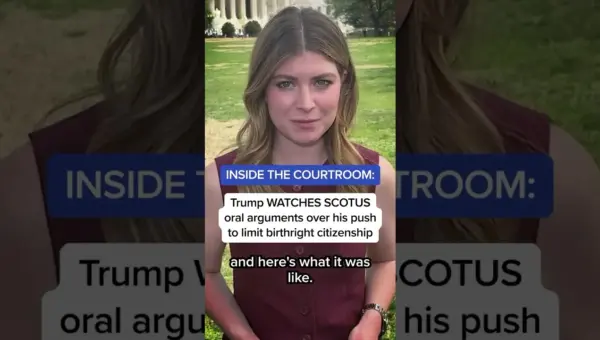
Former President Donald Trump attended Supreme Court oral arguments on birthright citizenship, the first sitting president to do so. His administration argued to limit the 14th Amendment's guarantee of citizenship to those born in the U.S. Legal experts and the justices themselves appeared skeptical of the arguments challenging long-standing precedent.

MAGA Base Fumes: Epstein Files, Iran War Fuel Outrage
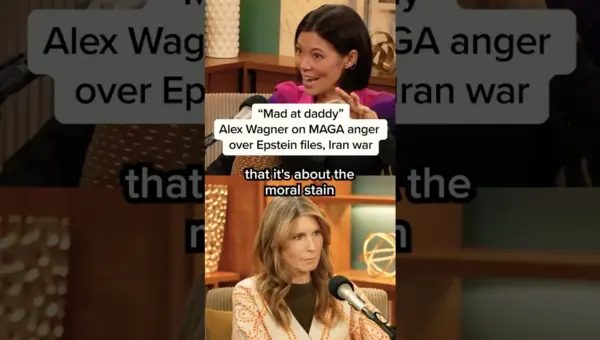
The MAGA base is experiencing significant anger over the release of Jeffrey Epstein's documents and the potential for a war with Iran. Alex Wagner discussed these issues, noting that the Iran conflict, in particular, has upset many supporters who prioritize domestic concerns and are wary of foreign entanglements.

Justices Skeptical of Trump Bid to End Birthright Citizenship
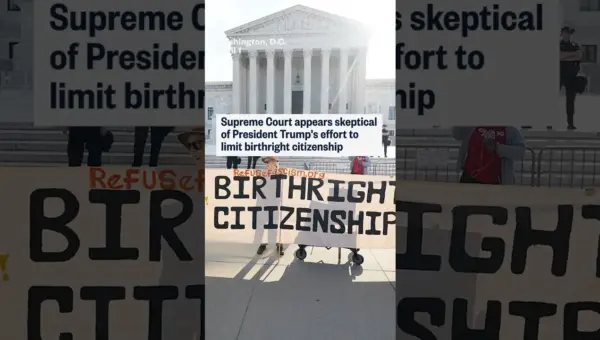
The Supreme Court heard arguments on President Trump's bid to end birthright citizenship for children of undocumented immigrants. Justices expressed skepticism about the president's power to make such a change, questioning its broad impact on the 14th Amendment. The court's decision could redefine who is considered an American.