Quacking Ducks Demand More Games
The phrase "When the ducks quack, feed them" is now the mantra as fan demand for more games surges. Driven by the hard work of star players, sports organizations are being urged to respond directly to this growing enthusiasm. This signals a new, fan-centric approach to meeting audience appetite.

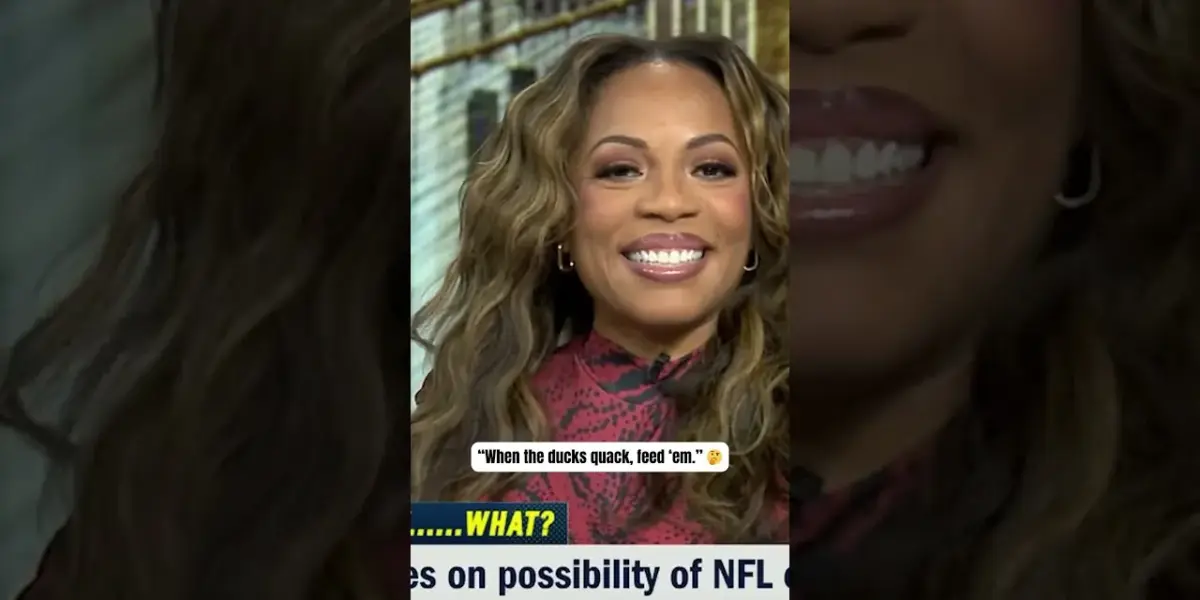
Ducks Demand More Games as Demand Soars
The phrase “When the ducks quack, feed them” has become the unexpected rallying cry for a surging demand in sports entertainment. This simple yet effective saying highlights the current situation where fans are clamoring for more games, and the sports world is listening. The hard work of talented players has fueled this intense interest, leading to a situation where the demand simply cannot be ignored.
Calvin Watkins, a keen observer in the front row, was seen trying to contain his reaction to this unfolding scenario. His subtle efforts to stay composed while absorbing the information painted a picture of the surprise and perhaps excitement surrounding the growing fan engagement. It’s a clear sign that the current momentum is significant and worthy of close attention.
Feeding the Fan Frenzy
The sentiment is clear: the fans are quacking, and it’s time to feed them. This isn’t just about putting more games on the schedule; it’s about responding directly to the passion and energy that fans are bringing. The sports world is taking this directive seriously, understanding that happy and engaged fans are the lifeblood of any successful league or team.
This approach is about more than just supply and demand. It’s about recognizing the deep connection fans have with their favorite sports and athletes.
When that connection is strong, as it is now, the natural response is to provide more opportunities for fans to engage, watch, and participate in the excitement. It’s a direct response to the audience’s enthusiasm.
The Player Power Behind the Demand
At the heart of this increased demand are the athletes themselves. Their dedication, skill, and captivating performances are what draw audiences in.
The transcript specifically mentions the “great players that we have,” emphasizing that their efforts are directly translating into higher fan engagement. Without their talent on display, the demand would likely not be so pronounced.
This player-driven interest creates a positive feedback loop. More fan interest can lead to more resources, better facilities, and ultimately, a more exciting environment for the players to perform in. It’s a cycle where the athletes’ hard work directly benefits the sport as a whole, from the grassroots to the professional level.
Responding to the Call
The directive to “address it, respond to it, and feed it” is being taken to heart. This means actively looking for ways to meet the growing appetite for more sporting events. Whether this involves adjusting schedules, exploring new broadcast formats, or creating unique fan experiences, the goal is to satisfy the audience.
The urgency in the transcript suggests that this isn’t a long-term planning phase; it’s an immediate need. The “quacking ducks” are vocal and present, and the response needs to be swift and effective. This proactive stance is crucial for maintaining the current level of excitement and ensuring continued growth.
A New Era of Fan Engagement
This situation signals a potential shift in how sports organizations interact with their fan bases. The idea of passively waiting for demand to appear is being replaced by an active strategy of anticipating and fulfilling it. The “feed them” mentality suggests a more responsive and fan-centric approach moving forward.
Mike T, in his own interpretation, humorously suggests heading to the nearest pond to feed the ducks, illustrating the literal interpretation of the saying. This lighthearted take still highlights the core message: the demand is real and requires action. The sports world is now tasked with finding the best ways to provide that action.
Looking Ahead: Sustaining the Momentum
The immediate challenge is to translate this high demand into sustained engagement. Simply adding more games might not be enough if the quality or accessibility is compromised. The focus must remain on delivering the high-level performances and compelling narratives that fans have come to expect.
The success of this strategy will depend on careful planning and execution. By continuing to invest in talented players and innovative fan experiences, sports organizations can ensure that the ducks keep quacking for all the right reasons. The next steps will involve concrete plans to expand offerings and capitalize on this enthusiastic audience.
Source: I'm sorry…what?! (YouTube)

Related Articles
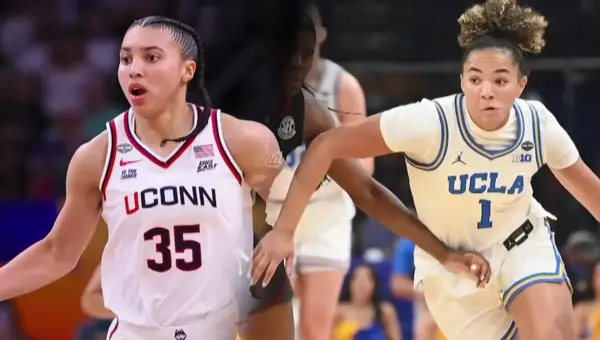
WNBA Drafts New Stars Amidst Historic Player Pay Raise
The WNBA draft night marks a new era as a historic collective bargaining agreement dramatically increases player salaries and benefits. Top draft picks can now expect salaries nearing $500,000, with top stars potentially earning seven-figure deals. This landmark deal also enhances player conditions with better housing, travel, and health support, reflecting a surge in fan interest and a commitment to player equity.
Las Vegas Lands Super Bowl 63 in 2029
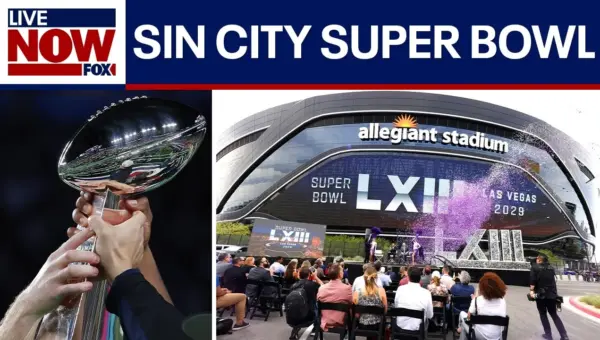
Las Vegas has been selected to host Super Bowl 63 in 2029, marking its second time hosting the NFL championship game. The city's successful bid follows its well-received hosting of Super Bowl LVIII in 2024. This event underscores Las Vegas's growing status as a major sports destination, with a packed schedule of upcoming events.

MLB Faces Major Shifts: Salary Caps, Media Rights, and Expansion Ahead
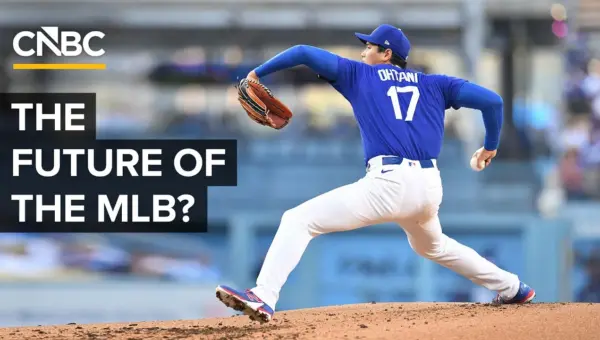
Major League Baseball faces a season of potential transformation. Key changes on the horizon include a push for a salary cap in the new collective bargaining agreement, a major shift in media rights towards centralized streaming, and possible league expansion with realignment. These developments could reshape the sport as fans know it.