Ukraine’s ‘Baba Yaga’ Drones Strike Deep Russian Lines
Ukraine's Skyian Griffins are deploying heavy 'Baba Yaga' bomber drones equipped with 'Spear' munitions to strike Russian positions. This tactic adapts historical bunker-busting principles for modern drone warfare, aiming to degrade enemy strongholds and disrupt supply lines.

Ukraine’s ‘Baba Yaga’ Drones Strike Deep Russian Lines
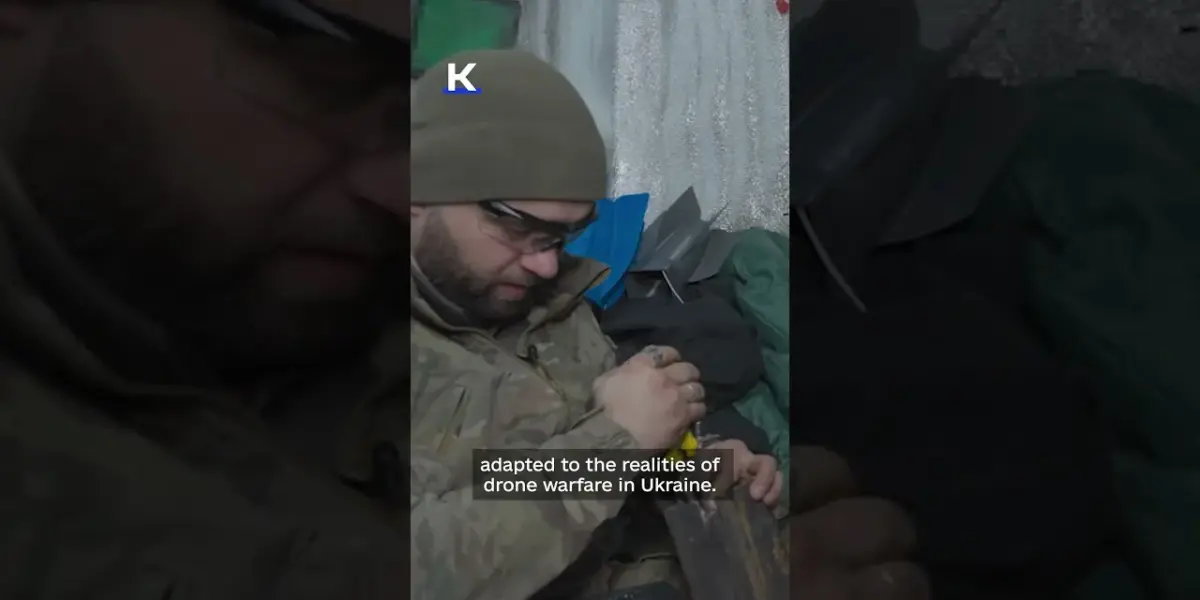
Ukrainian forces are employing a new generation of heavy bomber drones to target Russian positions, marking a significant shift in tactics. The 423rd Separate Drone Battalion, known as the Skyian Griffins, is at the forefront of this effort. This unit, part of Ukraine’s ground forces, is using custom-made munitions designed for urban warfare and fortified enemy strongholds.
The battalion’s ‘secret weapon’ is a bomb called the ‘Spear.’ This munition features a sharp iron spike and a delayed fuse, carrying 10 kilograms of explosives. Its design is reminiscent of World War II bunker-busting bombs, but it has been adapted for modern drone operations. These ‘Spear’ bombs are specifically intended to clear out dug-in Russian positions.
Once the bombs are prepared, the team moves to arm the drones. The primary aircraft used for these missions is the Vampire, a large, six-rotor drone.
Russian forces have given this drone the ominous nickname ‘Baba Yaga,’ after a fearsome witch from Slavic folklore. The Vampire is Ukraine’s most widely used heavy bomber drone.
The Vampire drone is versatile and can carry a variety of payloads. These include bombs, mines, and even supplies.
However, for the missions discussed, the payloads are designed for destructive effect. The drones are being used to strike at Russian forces who have established defensive lines.
Strategic Implications
The deployment of these heavy bomber drones represents a significant development in Ukraine’s aerial capabilities. The Vampire drones, nicknamed ‘Baba Yaga’ by Russian forces, are capable of delivering substantial payloads deep into enemy territory. This allows Ukrainian troops to attack heavily fortified positions without risking ground assaults.
The ‘Spear’ bomb’s design, inspired by historical bunker-busters, suggests a focus on destroying enemy strongholds and defensive emplacements. This tactic aims to degrade Russia’s ability to hold territory and sustain its forces. By targeting dug-in positions, Ukraine seeks to disrupt Russian supply lines and command structures.
The use of drones as bombers is not new, but the scale and sophistication of these Ukrainian operations are noteworthy. This approach allows for precision strikes against specific targets.
It also reduces the risk to Ukrainian pilots and expensive aircraft. The drones can operate at dusk, a time when visibility is limited for human pilots, offering a tactical advantage.
Historical Parallels
The concept of using specialized munitions to penetrate hardened targets has a long history in warfare. World War II saw the development of bombs like the Tallboy and Grand Slam, designed to defeat deep bunkers and bridges. These were massive weapons requiring heavy bombers.
Today’s drone technology allows for a similar effect but with much smaller, more agile platforms. The ‘Spear’ bomb, while much lighter than its WWII predecessors, uses a similar principle of a spike to penetrate defenses before detonation. This adaptation shows how historical military concepts are being modernized with new technology.
Geopolitical Impact
The increasing effectiveness of Ukrainian drone warfare could influence future military aid and technological development. Western allies may see the value in supplying similar drone technology and munitions. This could lead to a wider adoption of drone-based bombing strategies in future conflicts.
Russia’s acknowledgement of the ‘Baba Yaga’ drone highlights its perceived threat. The adaptation and deployment of such systems by Ukraine demonstrate its ingenuity.
It also puts pressure on Russia to counter these evolving threats. The conflict is thus becoming a testing ground for new forms of aerial warfare.
The Skyian Griffins continue to train and prepare their drones for upcoming missions. Their work highlights the growing importance of unmanned aerial systems on the modern battlefield. As dusk falls, the readiness of these drones signals continued pressure on Russian lines.
Source: How Ukraine is pushing back Russia with bomber drones (YouTube)

Related Articles


Ukraine Strikes Deep Inside Russia’s Rear
Ukraine is striking deep inside Russia's industrial heartland, targeting strategic plants and export routes. These drone attacks aim to cripple Moscow's ability to wage war and are forcing Russia to defend its interior, creating significant economic and security challenges.


Ukraine Strikes Deep: Russia Reels From Drone Attacks
Ukrainian drones have successfully struck Russian port facilities deep within Russia, highlighting air defense vulnerabilities and causing panic on Russian state television. The attacks aim to disrupt Russia's war economy, while Moscow struggles with internal internet restrictions and continues its propaganda efforts.


Ukraine’s Drones Hit Russian Rear: A New War Phase
Ukraine is now using medium-range drones to strike Russian logistics hubs like Donetsk, deep behind enemy lines. This new strategy targets supply routes, disrupting Russia's ability to fight. Meanwhile, Russia continues its heavy missile and drone attacks on Ukrainian cities.